

If you’ve spent any time scrolling through health content online, you’ve probably seen the same promises everywhere: eat this berry for instant energy, drink this green powder for perfect skin, or add this seed to your smoothie and transform your health overnight.
Sounds tempting, right?
The truth is, most people completely misunderstand what superfoods actually are. Somewhere along the way, the wellness industry turned simple nutrition into something complicated, expensive, and honestly a little intimidating.
Superfoods were never meant to be magic fixes.
They’re simply nutrient-dense foods that support your body when they become part of your everyday habits. Real wellness doesn’t come from chasing trendy ingredients. It comes from consistency, balance, and understanding what your body genuinely needs.
If you’ve ever felt overwhelmed by health advice, this guide clears things up.
What Superfoods Actually Are
The word “superfood” often creates unrealistic expectations.
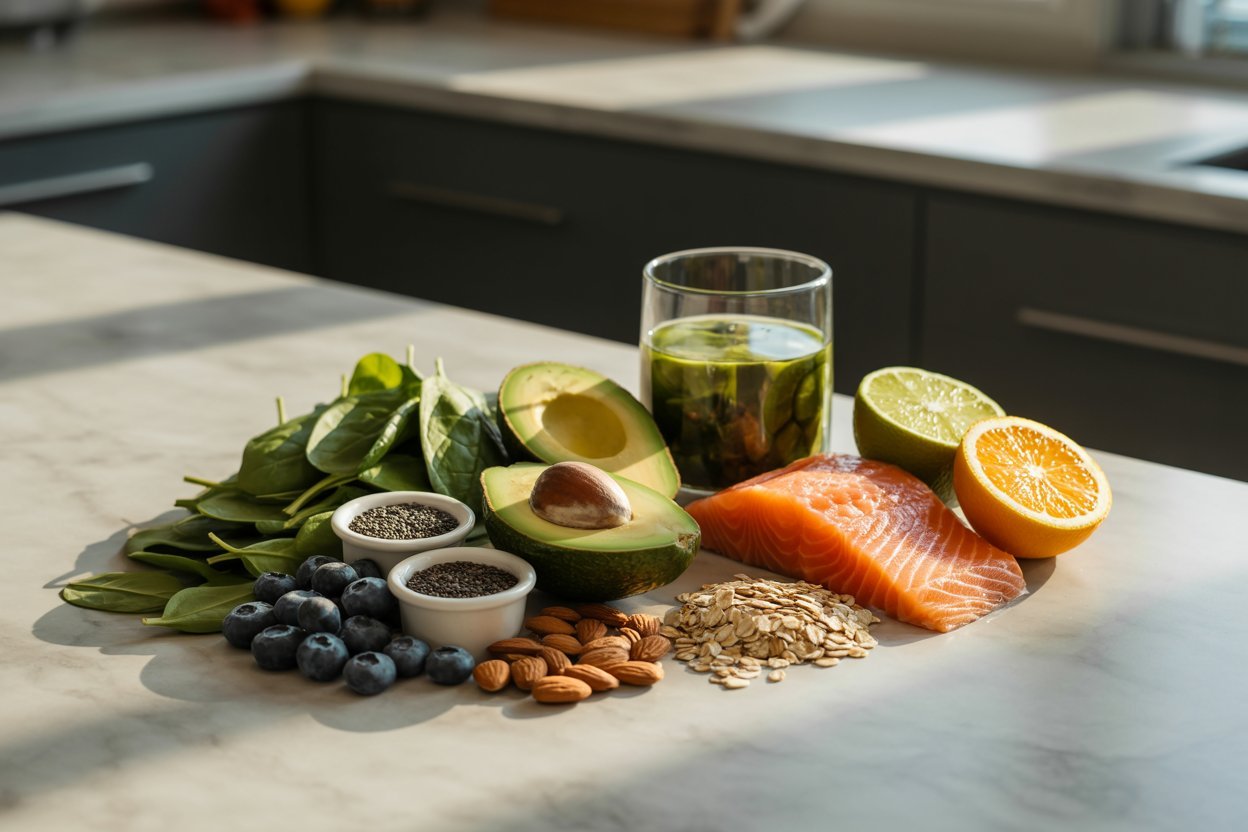
People imagine exotic powders shipped across the world or expensive supplements that promise dramatic results. But in reality, superfoods are often ordinary foods packed with nutritional value.
Some common examples include:
- Blueberries
- Spinach
- Avocados
- Nuts and seeds
- Greek yogurt
- Salmon
- Sweet potatoes
- Oats
These foods are rich in:
- Vitamins and minerals
- Antioxidants
- Fiber
- Healthy fats
- Protein
- Anti-inflammatory compounds
The key thing most people miss?
No single food can “fix” your health.
Superfoods work because they support your body’s natural systems over time.
The Biggest Myth About Superfoods
They’re Not Instant Health Hacks
This is probably the biggest misunderstanding.
A lot of people think adding chia seeds to breakfast for three days should somehow produce visible changes in their skin, energy, or digestion.
That’s not how nutrition works.
Your body responds to patterns, not isolated meals.
If your lifestyle includes:
- Poor sleep
- High stress
- Processed foods
- Dehydration
- Inconsistent eating habits
…then adding one trendy ingredient won’t suddenly reverse everything.
Superfoods support a healthy foundation. They don’t replace one.
Real health improvements happen when nutrient-rich foods become part of a sustainable lifestyle.
That’s where most people get stuck — they’re searching for shortcuts instead of systems.
Why Marketing Makes Superfoods Confusing
The Wellness Industry Loves Complexity
Let’s be honest.
A lot of health marketing is designed to make simple things sound revolutionary.
Why?
Because “drink water, eat vegetables, sleep well” doesn’t sell nearly as well as “unlock your body’s hidden cellular energy pathway with this rare botanical blend.”
It sounds impressive.
But most of the time, the basics matter more.
Here’s what actually supports long-term wellness:
1. Consistent Nutrient Intake
Eating nourishing foods regularly matters more than occasional “detox days.”
2. Balanced Meals
Combining healthy fats, protein, fiber, and carbs helps stabilize energy and supports immunity.
3. Lifestyle Alignment
Food works best when paired with sleep, movement, hydration, and stress management.
The wellness world often overcomplicates health because confusion creates dependence.
Clarity creates confidence.
And confidence helps you make smarter choices.
The Real Benefits of Superfoods
When used correctly, superfoods can absolutely support your health.
Here’s what they’re actually good for.
Supporting Steady Energy
Foods rich in fiber and healthy fats help regulate blood sugar, reducing energy crashes.
Examples:
- Oats
- Almonds
- Chia seeds
- Bananas
Instead of quick spikes and crashes, your body gets sustainable fuel.
Strengthening Immune Function
Nutrient-rich foods provide vitamins and antioxidants your immune system relies on.
Great options:
- Citrus fruits
- Garlic
- Yogurt
- Leafy greens
- Mushrooms
Your immune system performs best when consistently nourished.
Improving Skin Health
Healthy skin reflects internal nourishment.
Skin-supportive superfoods include:
- Avocados
- Berries
- Walnuts
- Tomatoes
- Green tea
These support collagen production, hydration balance, and protection from oxidative stress.
How to Use Superfoods the Right Way
This is where practicality matters.
You do not need:
- Fancy recipes
- Expensive powders
- Complicated meal plans
- Extreme diet rules
You do need simple consistency.
Try this:
Morning
Add berries or nuts to oatmeal.
Lunch
Include leafy greens and healthy fats.
Snack
Choose yogurt, fruit, or seeds instead of processed snacks.
Dinner
Build meals around whole ingredients with protein and vegetables.
Small upgrades repeated daily outperform dramatic changes that only last a week.
That’s the real superfood strategy.
Why Simplicity Wins Every Time
A healthy lifestyle shouldn’t feel exhausting.
The most sustainable wellness habits are usually the simplest ones.
People often fail because they try to become “perfectly healthy” overnight.
Instead, focus on realistic progress.
Ask yourself:
- Can I add one nutrient-rich food today?
- Can I improve one meal this week?
- Can I stay consistent for a month?
That’s how health transforms.
Quietly.
Gradually.
Powerfully.
And if you’re ready for a practical, no-hype roadmap that makes healthy eating feel approachable, the Superfoods Originality: The Everyday Guide to Energy, Immunity, Healthy Skin & Wellness ebook breaks it down in a way that feels simple, realistic, and easy to apply.
If that sounds like the kind of wellness guidance you’ve been looking for, you can explore it here and see if it fits your routine naturally.
Conclusion
The truth about superfoods is simpler than most people think.
They aren’t miracle cures, overnight fixes, or exclusive wellness secrets.
They’re everyday tools that help your body function at its best when used consistently.
Health doesn’t come from chasing trends.
It comes from understanding what works, applying it regularly, and giving your body the support it deserves.
When you stop looking for shortcuts and start building sustainable habits, that’s when real change begins.