

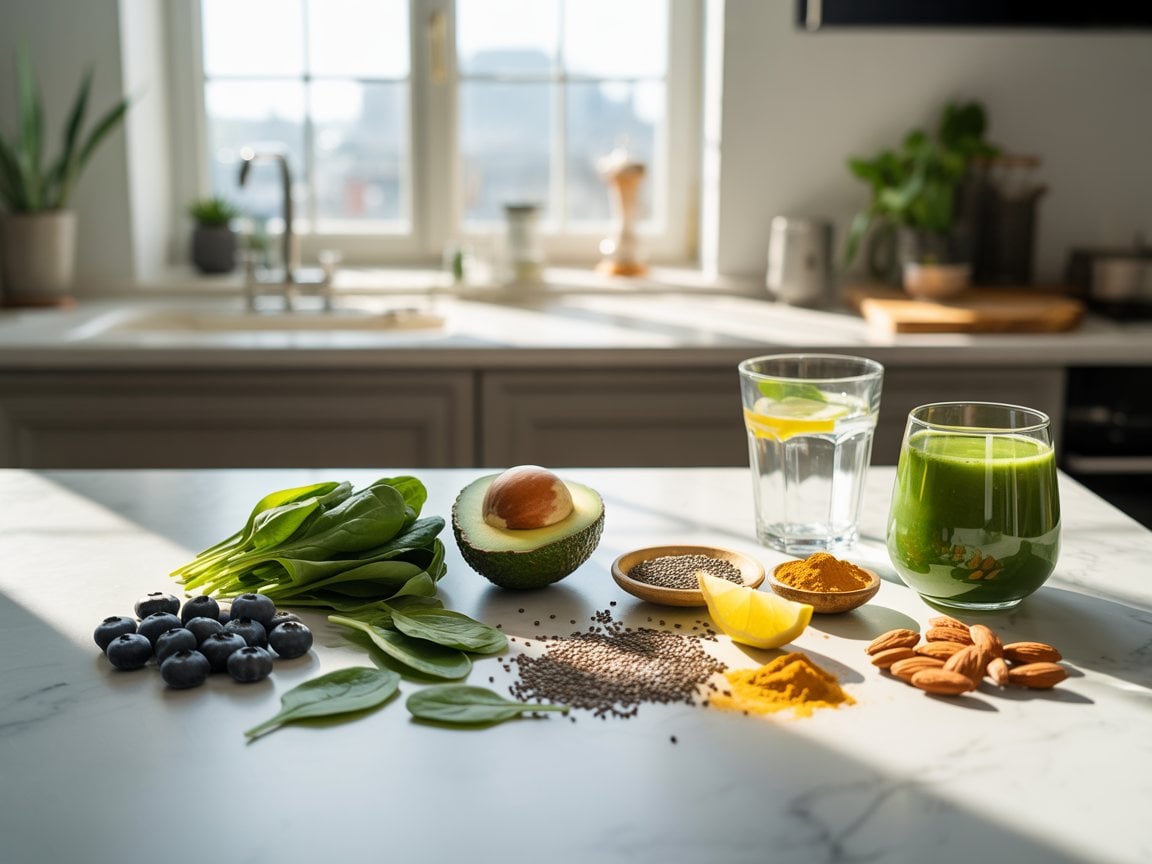
Healthy eating should be simple, right? Eat more vegetables, drink enough water, and choose foods that nourish your body. Sounds easy enough.
But somewhere along the way, healthy eating became… complicated.
One day carbs are the enemy. The next day they’re essential fuel. One expert tells you to eat more fat, another says avoid it completely. Social media is packed with “miracle foods,” impossible meal plans, and influencers showing off perfect diets that don’t exactly fit real life.
If trying to eat better feels confusing, exhausting, or even frustrating, you’re definitely not alone.
The truth is, healthy eating isn’t supposed to feel like solving a puzzle. It’s supposed to support your life — not control it. And once you understand why nutrition feels so complicated today, it becomes much easier to make smarter, more natural choices.
The Internet Made Nutrition Information Overwhelming
We live in an age where information is everywhere.
Open your phone and within minutes you’ll see dozens of health claims:
- “Avoid fruit because of sugar”
- “Only eat organic”
- “Never eat after 7 PM”
- “This superfood will transform your health overnight”
The problem isn’t access to information.
It’s the overload of conflicting advice.
Too Many Experts, Too Many Opinions
Anyone can post nutrition advice online. Some creators share genuinely helpful insights, while others recycle trends for clicks and attention.
This creates confusion because:
- Trends often lack context
- One-size-fits-all advice rarely works
- Short-form content oversimplifies complex science
Health is personal. What works for someone else may not work for your body, schedule, or lifestyle.
That’s why blindly following trends often leaves people feeling stuck.
Modern Food Choices Are Designed to Confuse You
Walk into any grocery store and you’ll see labels screaming:
- “Natural”
- “Low-fat”
- “Sugar-free”
- “High-protein”
- “Immune boosting”
Sounds healthy, right?
Not always.
Marketing Often Sounds Healthier Than Reality
Food packaging is built to persuade, not educate.
A product labeled “healthy” can still contain:
- Excess added sugar
- Artificial fillers
- Highly processed ingredients
- Minimal nutritional value
This creates decision fatigue.
Instead of asking, Does this nourish my body? people end up asking, Which label sounds healthier?
That’s a huge difference.
Real healthy eating starts with understanding ingredients — not clever branding.
The Simpler the Ingredient List, the Better
As a general rule:
If your great-grandparents wouldn’t recognize half the ingredients, it’s probably worth reconsidering.
Whole foods tend to win every time.
Think:
- Fresh berries
- Leafy greens
- Nuts and seeds
- Eggs
- Beans
- Whole grains
- Healthy fats like avocado
These foods don’t need marketing tricks because their benefits are already built in.
Perfection Culture Makes Healthy Eating Feel Impossible
Here’s something most nutrition advice gets wrong:
You do not need a perfect diet.
Social media often turns healthy eating into performance art.
Perfect smoothie bowls. Perfect calorie counts. Perfect routines.
It looks inspiring at first — but quickly becomes stressful.
Health Isn’t About Perfection
Real wellness is messy and flexible.
Some days you’ll eat balanced meals.
Other days you’ll grab something quick.
That doesn’t mean you failed.
Consistency matters far more than perfection.
Healthy eating works best when it feels sustainable — not restrictive.
Ask yourself:
- Can I realistically keep this habit long term?
- Does this fit my daily life?
- Does this make me feel energized instead of stressed?
If the answer is yes, you’re on the right track.
The Missing Piece Is Returning to Food Originality
This is where everything becomes clearer.
Healthy eating gets easier when you return to original, nutrient-dense foods.
That’s the idea behind Superfoods Originality — stripping away the noise and reconnecting with foods that naturally support:
- Steady energy
- Strong immunity
- Healthier skin
- Better digestion
- Long-term wellness
What Makes a Food “Original”?
Original foods are close to their natural state.
They’re minimally processed and rich in nutrients your body recognizes and uses efficiently.
Examples include:
- Blueberries for antioxidants
- Spinach for minerals
- Chia seeds for omega-3s
- Turmeric for anti-inflammatory support
- Sweet potatoes for sustained energy
These aren’t trendy hacks.
They’re timeless nutritional foundations.
And when your meals center around them, healthy eating becomes much less confusing.
Small Changes Create Real Results
You don’t need a total life overhaul.
You just need small, intentional upgrades.
Here are easy starting points:
1. Add Before You Remove
Instead of cutting foods out, add more nutrient-rich options in.
Example: Add berries to breakfast.
2. Prioritize Color
A colorful plate usually means broader nutrition.
Think greens, reds, oranges, purples, and yellows.
3. Build Around Whole Foods
Choose meals with ingredients you recognize.
Simple wins.
4. Stay Curious
Learn why foods help your body.
Knowledge builds confidence.
And confidence removes confusion.
Conclusion
Healthy eating feels complicated today because modern life made it that way.
Too much information. Too many trends. Too much pressure to get everything exactly right.
But nutrition doesn’t have to be overwhelming.
The most effective approach is often the simplest: return to real, original foods that support your body naturally.
If this idea resonates with you and you want a practical, refreshing guide that cuts through the noise, Superfoods Originality: The Everyday Guide to Energy, Immunity, Healthy Skin & Wellness offers an easy-to-follow path toward everyday wellness — something worth exploring when you’re ready to make healthy eating feel simple again.