
The Environmental Benefits Of Choosing Spirulina Powder
In an ever-more environmentally conscious world, consumers are becoming more mindful of the products they buy and the foods they consume. One such superfood that fits with green living like a glove is spirulina powder. Not only is spirulina powder high in nutritional value, but it also provides great environmental benefits over most traditional food sources. Let's see why selecting spirulina powder is not only healthy for you, but for the environment as well.
What is Spirulina?
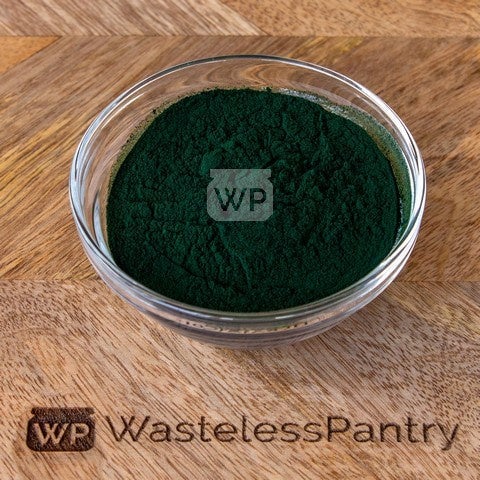
Spirulina is a blue-green algae that occurs naturally in alkaline lakes and is today cultivated globally under controlled conditions. Spirulina is rich in protein, vitamins, minerals, and antioxidants, which makes it a very effective source of nutrition. But for all its stunning nutritional profile, spirulina is also distinguished by its tiny ecological footprint.
Low Water Usage
One of the biggest issues in the world today is water shortage. It takes thousands of liters of water to produce traditional animal proteins such as beef. Spirulina farming, on the other hand, uses much less water. Research has shown that spirulina farming can be as much as ten times more water-efficient than conventional livestock production. This makes it a great option for sustainable nutrition in areas where there is a shortage of water.
Minimal Land Requirements
Deforestation and land degradation are significant problems due to the demand for agricultural land. But spirulina production does not involve large expanses of arable land. It can be farmed in shallow ponds and even on land not suitable for conventional farming, such as deserts. Certain innovative ventures have also grown spirulina in indoor environments using vertical farming systems, maximizing space further.
High Yield Per Acre
Compared to crops like corn, soy, or wheat, spirulina offers a higher protein yield per acre. It produces more protein with less input, meaning that smaller areas of land can feed more people. This efficiency is critical as the global population continues to rise and pressure on agricultural land increases.
Carbon Sequestration
Like all photosynthetic organisms, spirulina absorbs carbon dioxide (CO₂) during growth. However, spirulina is particularly efficient at carbon sequestration compared to traditional crops. It helps remove CO₂ from the atmosphere, potentially mitigating some of the impacts of climate change. Some studies suggest that large-scale spirulina farming could become part of a broader carbon capture solution.
Minimal Use of Fertilizers and Pesticides
Unlike conventional farming, spirulina cultivation generally requires very little pesticide or synthetic fertilizer use. Its growth environment — highly alkaline water — naturally inhibits the development of many pests. This not only reduces chemical runoff into ecosystems but also supports cleaner, more sustainable farming practices.
Potential for Food Security
Because spirulina can be grown in a variety of climates and conditions, including areas unsuitable for conventional agriculture, it has the potential to enhance global food security. By choosing spirulina powder, consumers support the development of resilient food systems that can withstand climate change and resource scarcity.
Conclusion
Adding spirulina powder to your diet is a small but significant step towards a more sustainable future. With its low land and water requirements, high yield, capacity for carbon capture, and zero environmental footprint, spirulina is a genuine eco-friendly superfood. When we search for the answers to tomorrow's environmental challenges, adopting nutrient-rich, low-footprint foods such as spirulina will be critical to our health and the health of the planet.