

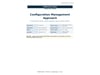
Configuration Management Approach Template
Configuration Management Approach · A$16
Which version is the real one, who is allowed to change it, and how you prove what was in the baseline six months ago.
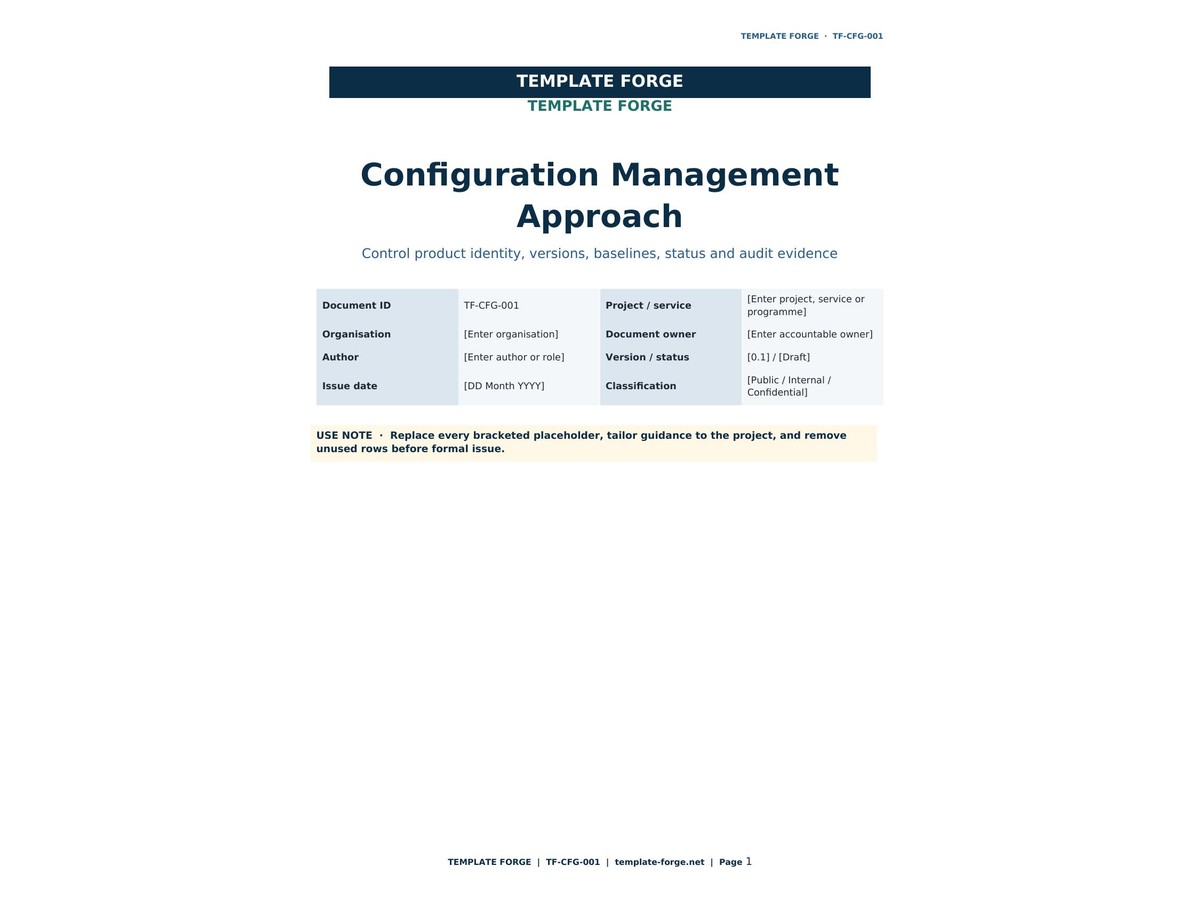
Configuration management sounds bureaucratic until the day someone builds to a superseded drawing. This document sets the rules before that happens: how items are identified and named, what a baseline is, who can change one, and how you audit that the product matches the record.
What's inside
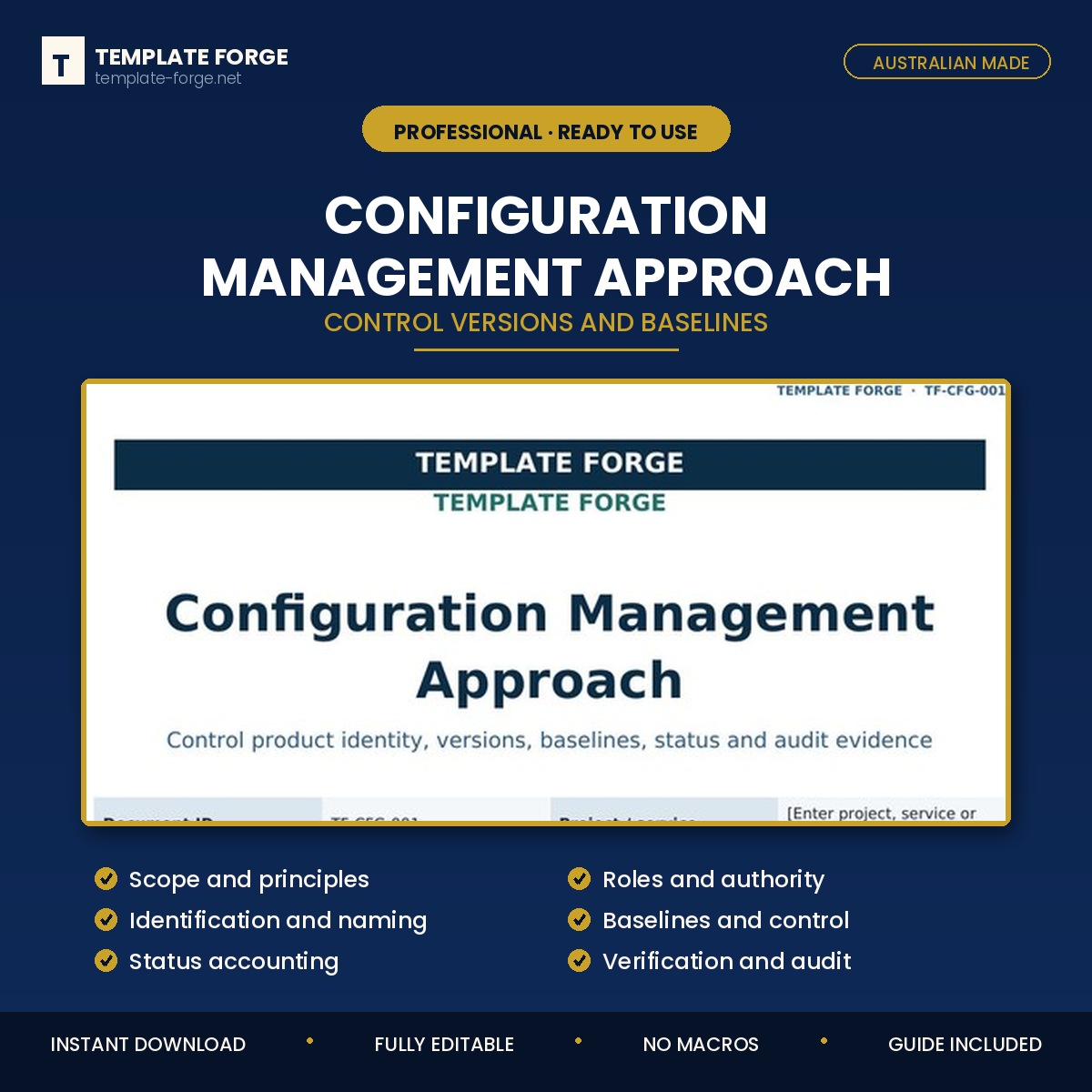
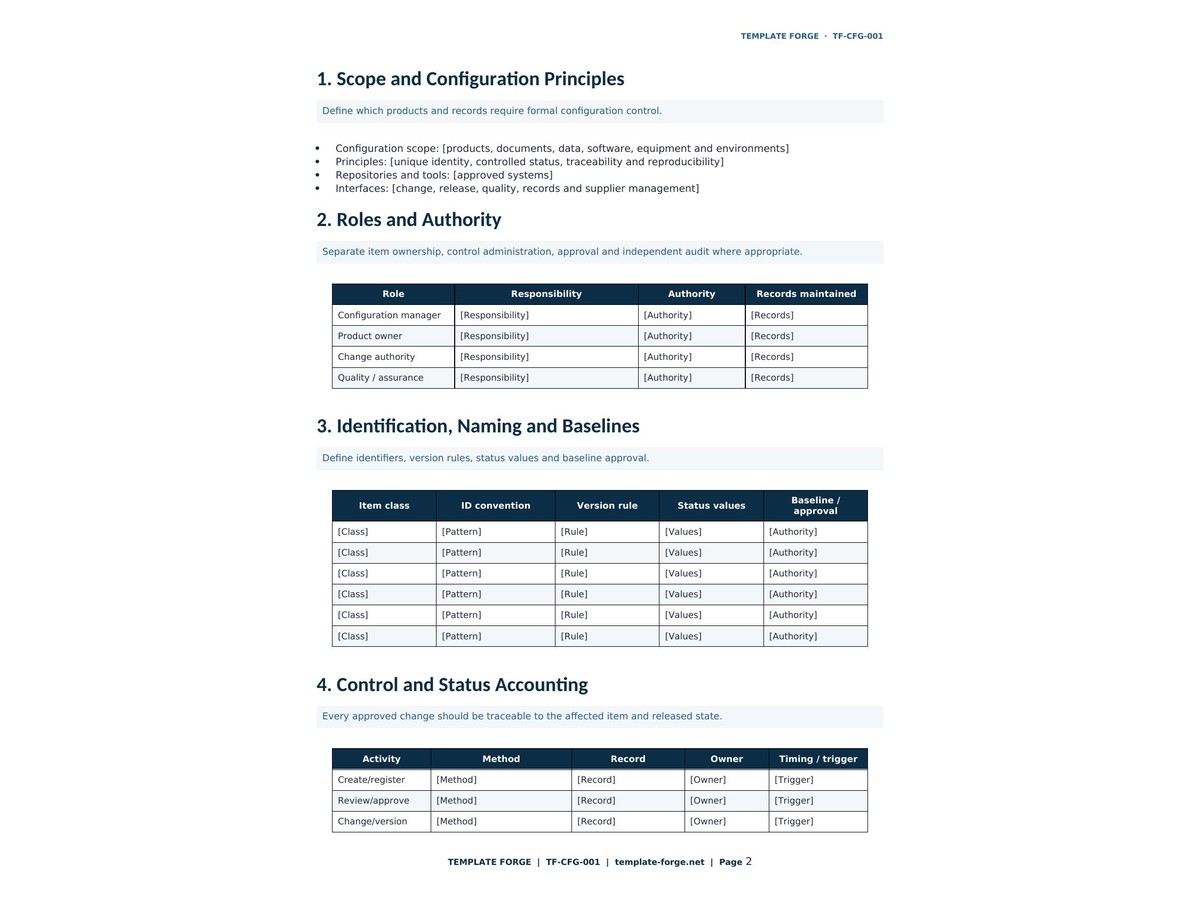
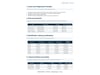
- Scope and configuration principles — what is under configuration control and what is not
- Roles and authority — who identifies, who approves changes, who audits
- Identification, naming and baselines — the numbering convention and what constitutes a baseline
- Control and status accounting — how changes are recorded and how current status is reported
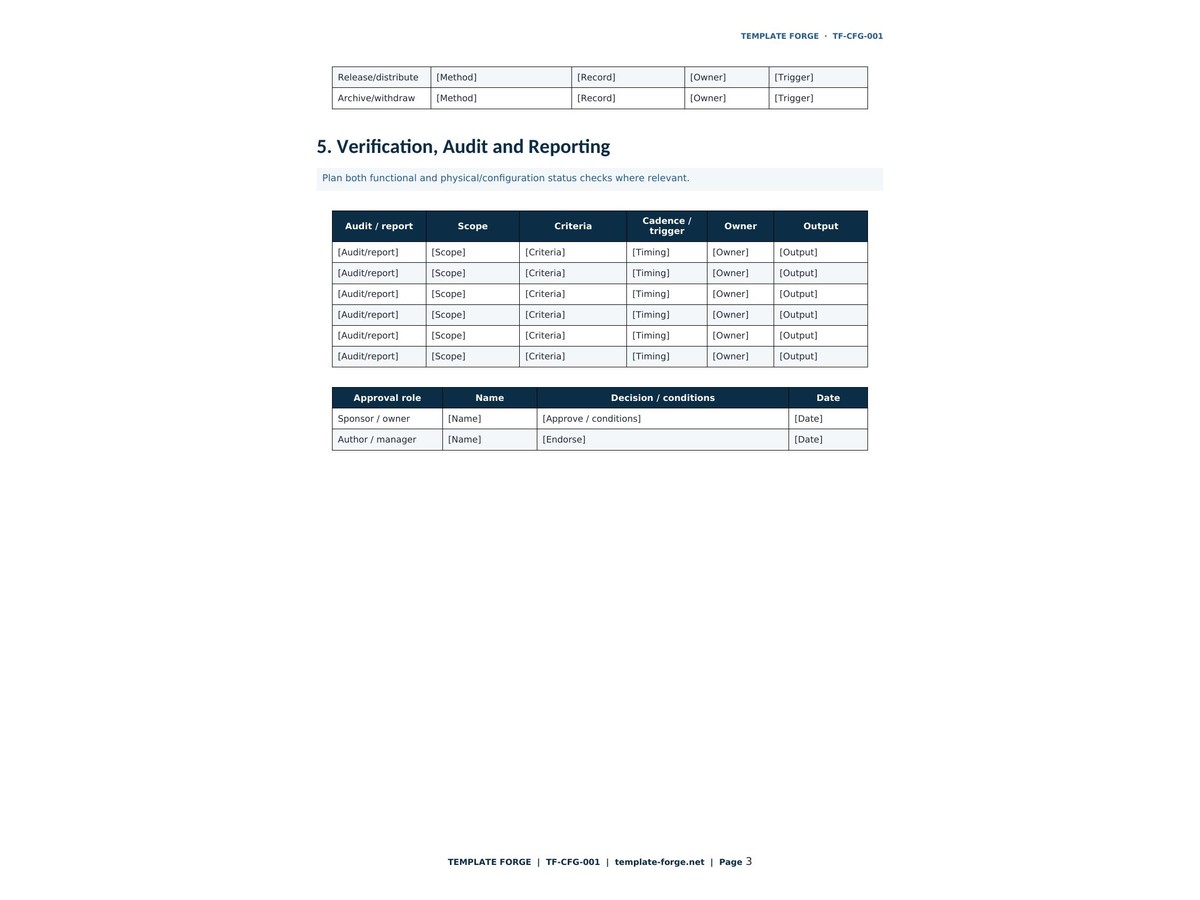
- Verification, audit and reporting — functional and physical audits, and what evidence they produce
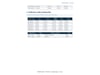
Thirteen pre-built tables.
Why it matters
Because "which version?" is the most expensive question in delivery. Without a naming convention and a controlled baseline, teams build to different documents, integrate badly, and rework at their own cost.
Who it's for
Engineering and technical project managers, systems engineers, quality managers, and anyone delivering into an environment where a client or regulator expects configuration control to be documented.
How you use it
Set the rules at the start of the project, agree who holds authority, and issue it alongside the PID. Editable Word document. No macros, no subscription.
Pairs with the Configuration Item Record (A$12), which applies these rules item by item, and the Change Control Approach (A$16), which handles the decisions.
Built in Australia from more than twenty years of program delivery experience. Instant download, yours to keep.