
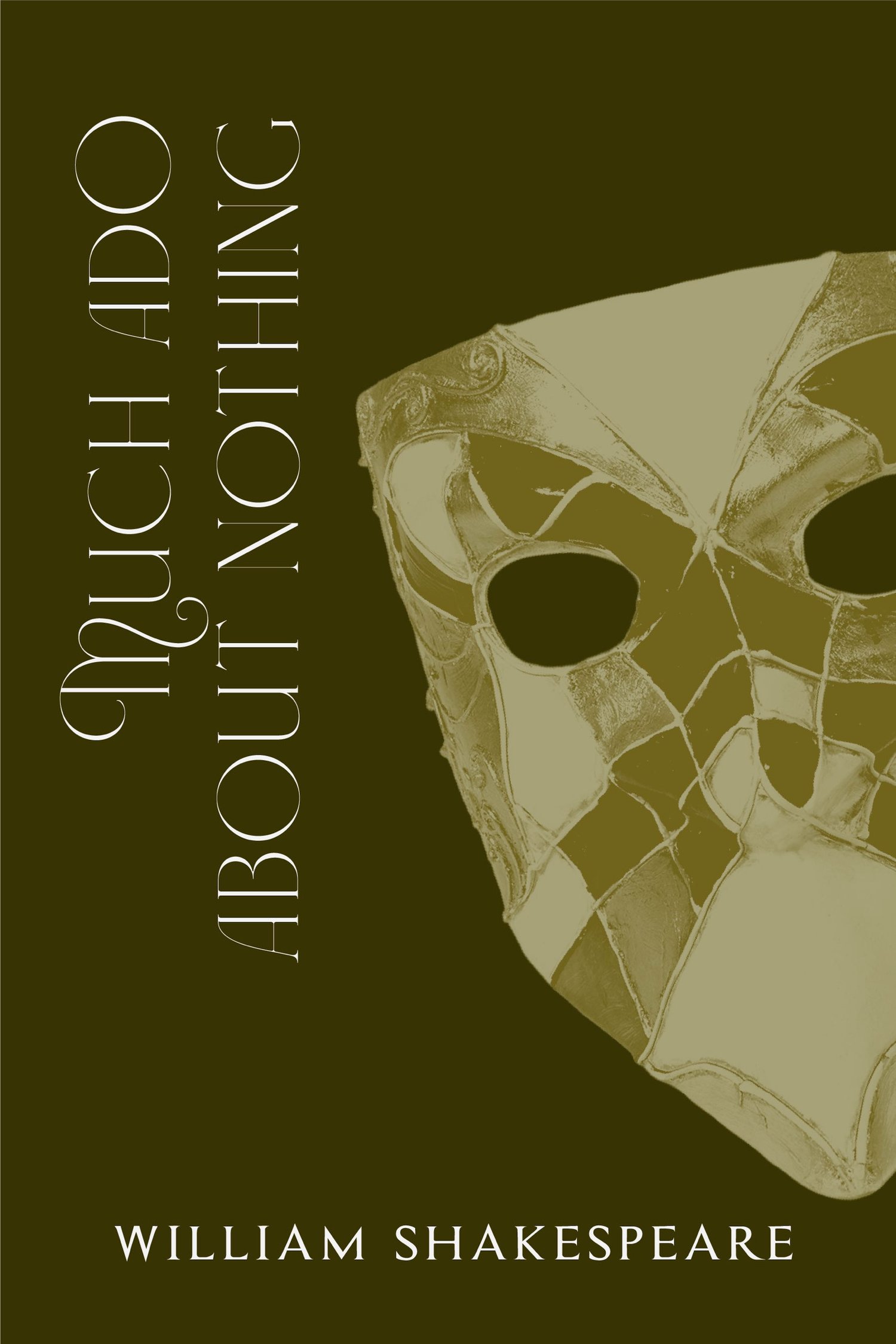
Much Ado About Nothing
Much Ado About Nothing is Shakespeare at his most mischievous: a comedy of overheard conversations, bruised egos, and sharp tongues that cut as deeply as they amuse. Set in a sunlit Italian town where gossip travels faster than truth, the play follows two parallel love stories—one playful and combative, the other dangerously fragile. Wit is currency here, reputation is everything, and a single lie can turn delight into disgrace.
At the center are Beatrice and Benedick, sworn enemies of romance who duel with words as if love itself were a personal insult. Their sparring is electric, modern, and unexpectedly tender, revealing Shakespeare’s gift for turning verbal combat into emotional revelation. Around them swirl schemes both benevolent and cruel, as friends conspire to trick lovers into honesty while villains weaponize suspicion to ruin an innocent woman’s life.
Beneath the laughter, Much Ado About Nothing asks unsettling questions about honor, gender, and how easily society believes the worst, especially about women. Joy must be earned, trust rebuilt, and love defended against rumor and pride. What emerges is a comedy with bite: funny, fast, and unafraid to expose how close happiness always sits to humiliation.
For readers who loved The Taming of the Shrew and Jane Austen’s Pride and Prejudice, Shakespeare delivers a comedy where every joke carries an edge and happiness must be fought for, not simply stumbled upon.
About the author
William Shakespeare (1564-1616) is widely regarded as the greatest writer in the English language and the world’s preeminent dramatist. Born in Stratford-upon-Avon, he wrote approximately 39 plays and 154 sonnets that have shaped literature, theater, and the English language itself for over four centuries. His works, from tragedies like Hamlet and King Lear to comedies like A Midsummer Night’s Dream and histories like Henry V, explore the full range of human experience with unmatched psychological insight, poetic brilliance, and emotional power. Shakespeare’s influence extends far beyond the stage; his phrases and characters have become woven into the fabric of modern culture, and his exploration of timeless themes—love, power, ambition, jealousy, mortality—continues to resonate with audiences worldwide. Despite the passage of centuries, his work remains startlingly contemporary, speaking to each new generation with fresh relevance and inexhaustible depth.