
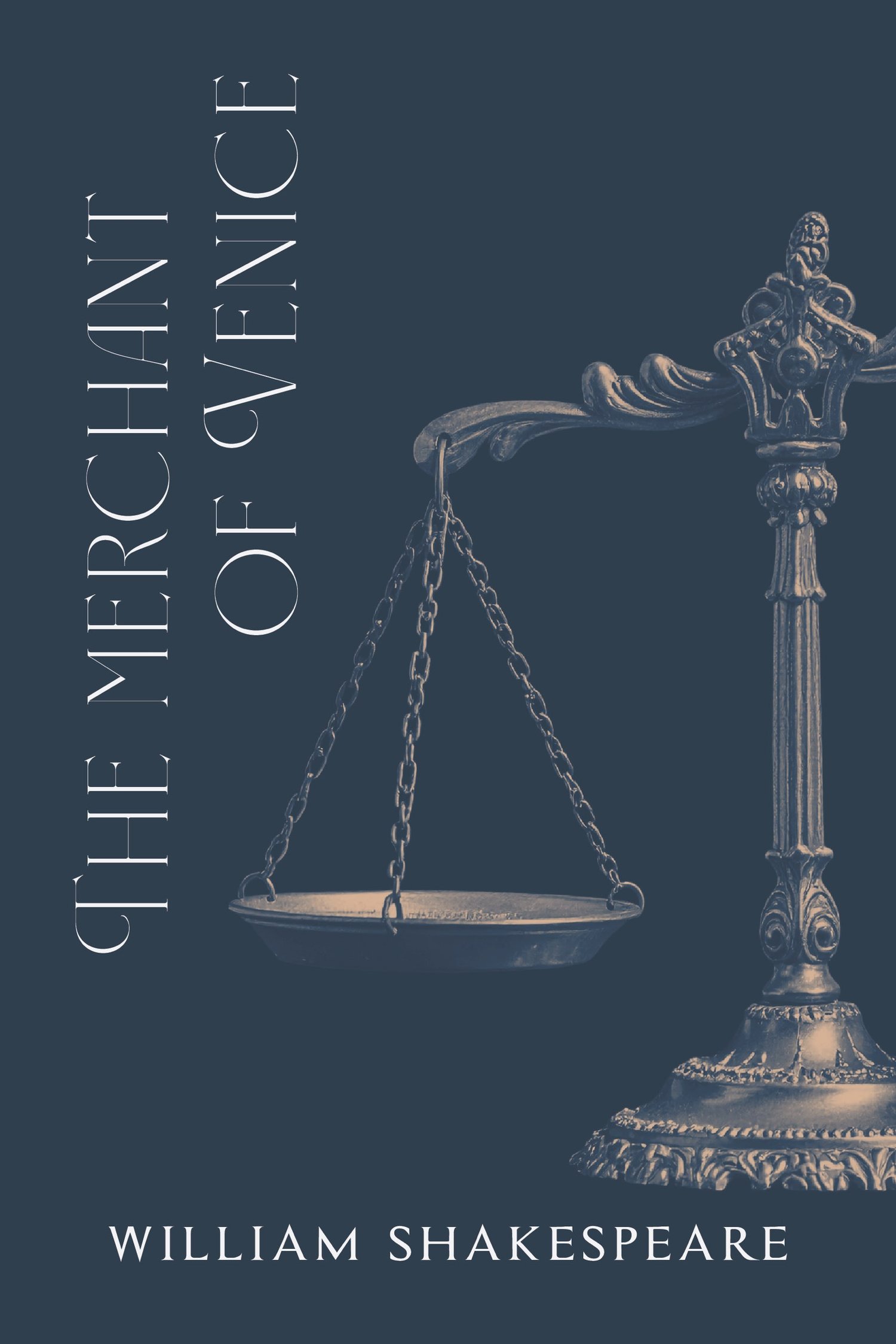
The Merchant of Venice
In William Shakespeare’s The Merchant of Venice, the glittering, cutthroat world of Renaissance Venice becomes the stage for a merchant’s desperate gamble that sets off a chain of events testing the very limits of love, loyalty, and the law. When Antonio borrows money from the Jewish moneylender Shylock to help his dear friend Bassanio woo the wealthy heiress Portia, he agrees to the most unusual of terms: if the loan isn’t repaid in time, Shylock may claim a pound of Antonio’s flesh. What begins as a seemingly absurd contract becomes deadly serious when Antonio’s fortunes take a catastrophic turn, and Shylock, driven by years of persecution and a fresh betrayal, demands his bond be honored to the letter.
Shakespeare weaves together multiple plotlines with masterful precision: Bassanio’s romantic quest, which hinges on solving the riddle of three caskets; Shylock’s daughter Jessica’s forbidden love and shocking escape; and the building tension as Antonio’s debt comes due. At the story’s heart lies one of literature’s most searing courtroom dramas, where brilliant disguises, razor-sharp legal arguments, and questions of mercy versus revenge collide in an unforgettable climax. Portia, disguised as a young lawyer, delivers some of Shakespeare’s most famous lines as she navigates the treacherous waters between justice and compassion.
The Merchant of Venice remains startlingly relevant today, challenging audiences to grapple with prejudice, religious intolerance, and the human cost of vengeance. Is Shylock a villain or a victim? Can love transcend social boundaries? And when the law is satisfied, has justice truly been served? This complex, controversial masterpiece refuses easy answers, offering instead a provocative exploration of what we owe each other—and what happens when bonds of flesh prove stronger than bonds of gold.
About the author
William Shakespeare (1564–1616) is widely regarded as one of the greatest writers in the English language and a towering figure in world literature. Known as the Bard of Avon, his works, including Hamlet, Romeo and Juliet, and Macbeth, have defined the possibilities of drama, poetry, and storytelling for generations. The Merchant of Venice is a testament to Shakespeare’s genius, exploring the depths of human emotion and the enduring complexities of morality and love.