
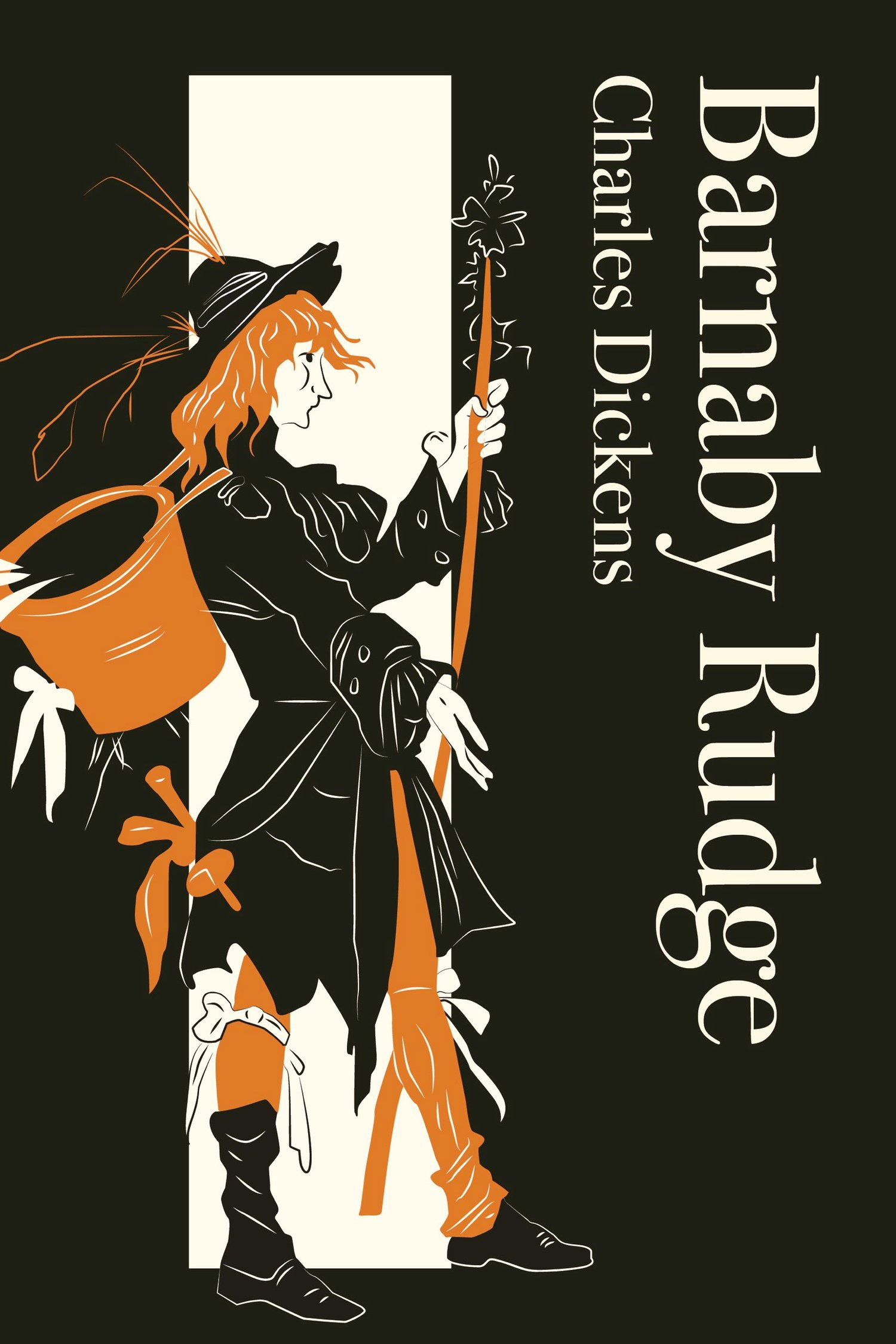
Barnaby Rudge
Charles Dickens’s Barnaby Rudge unfolds at the uneasy edge of history, where private lives collide with public chaos. At its heart is Barnaby—gentle, guileless, and wandering the world with his unruly raven, Grip, whose innocence stands in stark contrast to the simmering tensions around him. As London grows restless, rumors thicken and old secrets begin to rise, casting long shadows over families already fractured by jealousy, hidden crimes, and festering grievances.
When the Gordon Riots burst onto the streets with terrifying force, Barnaby is swept helplessly into the tide of violence. Dickens conjures this eruption with astonishing immediacy: mobs roaring through the city, prison doors smashed open, homes torched in an instant of blind rage. Caught between those who would exploit him and the few who recognize his goodness, Barnaby becomes a symbol of how fragile ordinary lives become when hatred is given permission to roar.
Sprawling, suspenseful, and driven by moral urgency, Barnaby Rudge blends mystery, romance, political turmoil, and the raw power of collective fear. It is a novel about the consequences of letting prejudice run wild, and about the small acts of loyalty, courage, and kindness that can survive even in the darkest hours. Dickens’s early masterpiece remains chillingly relevant, reminding us how quickly order can unravel, and how much it costs to restore it.
About the author
Charles Dickens (1812–1870) was one of the most celebrated novelists of the Victorian era, renowned for his vivid storytelling, memorable characters, and sharp social criticism. Classics like Oliver Twist, A Tale of Two Cities, and Great Expectations showcase his mastery of drama, humor, and compassion for the marginalized. A keen observer of society, Dickens used his writing to expose injustice while entertaining millions with his wit and narrative genius. His works remain beloved worldwide, cementing his legacy as a literary icon.