
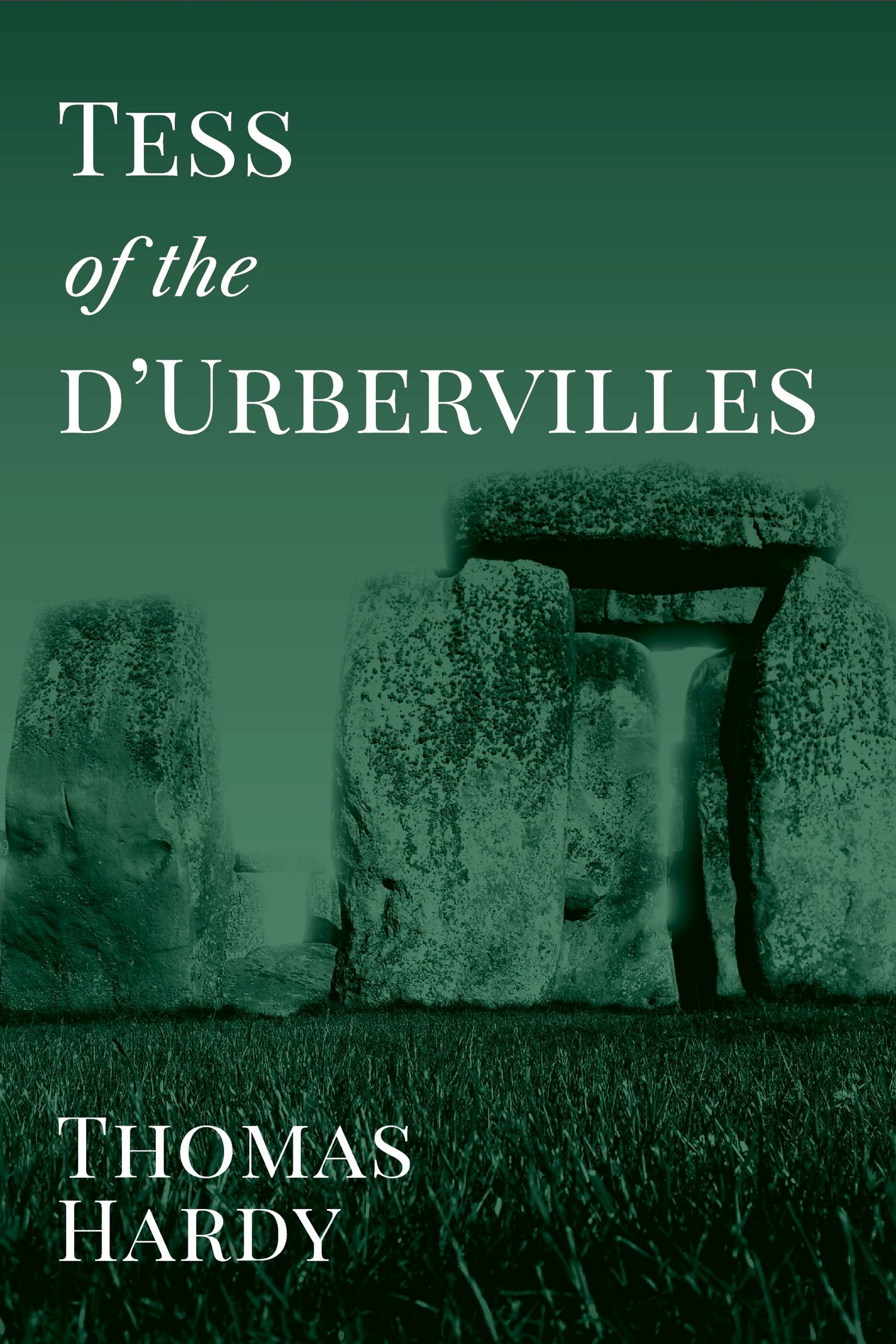
Tess of the D’Urbervilles
Thomas Hardy’s Tess of the d’Urbervilles tells the story of Tess Durbeyfield, a young woman whose quiet dignity and moral clarity stand in tragic contrast to the rigid world around her. Born into rural poverty, Tess is sent to seek help from wealthy relatives, setting in motion a chain of events shaped by chance, social power, and irreversible consequence. Hardy frames her life not as a moral failing but as a collision between innocence and a society eager to judge what it does not understand.
At the heart of the novel lies Tess’s struggle to claim agency in a world governed by class prejudice and sexual double standards. Her love for the idealistic Angel Clare offers the promise of renewal, yet even this relationship is haunted by hypocrisy and fear. Hardy’s prose moves effortlessly between pastoral beauty and emotional devastation, exposing how easily compassion gives way to cruelty when social respectability is at stake.
Outrageous to many Victorian readers at its publication, Tess of the d’Urbervilles remains one of the most powerful indictments of moral injustice in English literature. It is a novel that asks readers to reconsider guilt, purity, and responsibility, and to recognize the quiet heroism of endurance in the face of relentless judgment. Tess’s story endures because it speaks to anyone who has felt crushed by forces beyond their control—and refused, even then, to surrender their humanity.
About the author
Thomas Hardy (1840–1928) was an English novelist and poet whose work explored the harsh pressures of class, convention, and fate on individual lives. Best known for novels such as Tess of the D’Urbervilles and Jude the Obscure, he challenged Victorian moral certainty with an unflinching realism that often provoked controversy. In later life, he turned primarily to poetry, leaving behind a body of work marked by compassion, pessimism, and enduring psychological depth.