
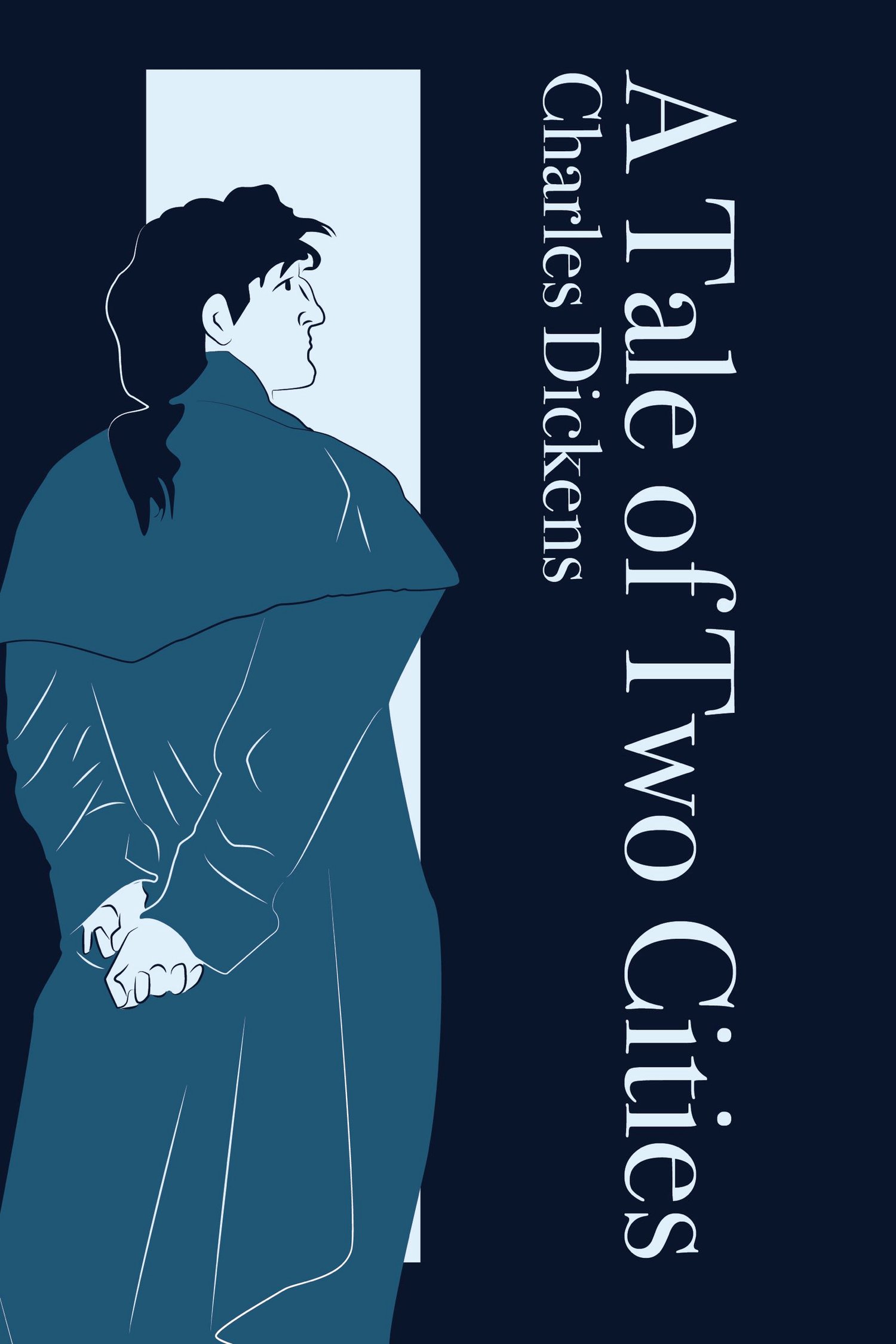
A Tale of Two Cities
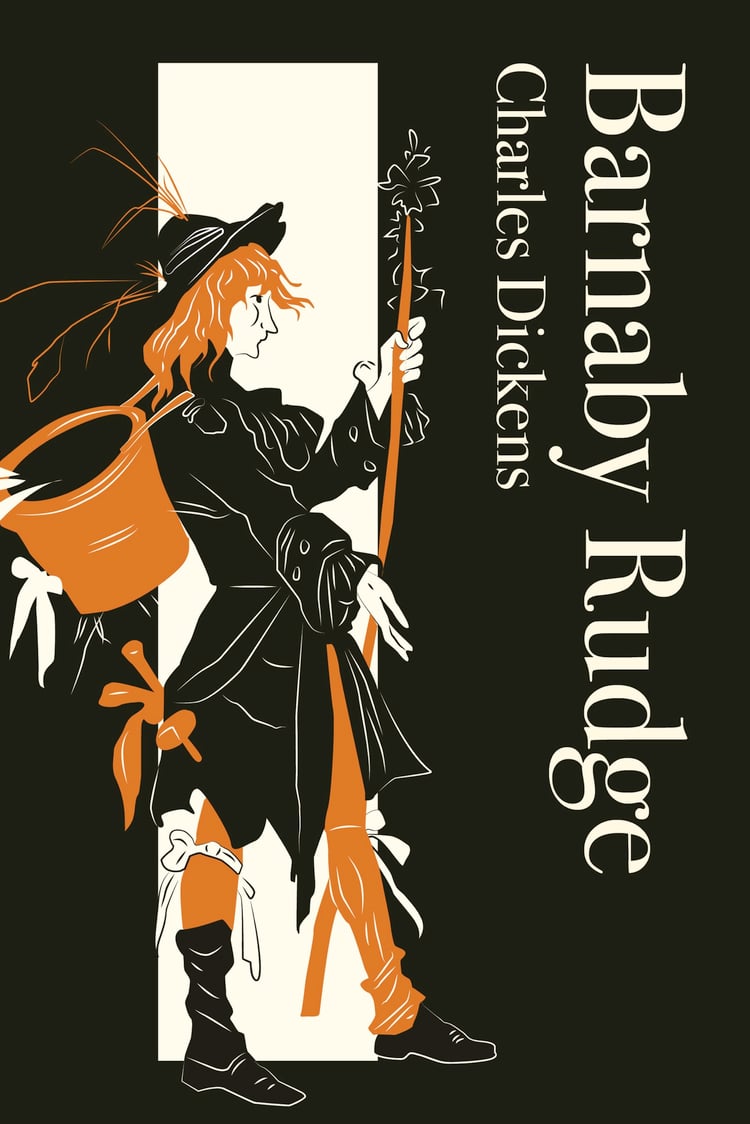
Charles Dickens’s A Tale of Two Cities plunges readers into the heart of the French Revolution, where the fates of an exiled French aristocrat, Charles Darnay, and a dissolute English lawyer, Sydney Carton, collide through their love for the radiant Lucie Manette. Against a backdrop of burning châteaux and rattling guillotines, Dickens weaves a story of mistaken identity, political vengeance, and breathtaking sacrifice. The novel’s famous opening lines—”It was the best of times, it was the worst of times”—perfectly capture the duality of an era where hope and horror walked hand in hand.
Beyond its storming of the Bastille and echoing footsteps of destiny, A Tale of Two Cities is a searing exploration of human extremes. Dickens contrasts the brutality of mob justice with acts of transcendent love, most famously in Carton’s haunting final words on the scaffold. The novel’s revolutionary fervor mirrors its characters’ personal transformations—proving that even in history’s darkest hours, redemption is possible.
With its pulse-pounding plot and unforgettable closing sacrifice, A Tale of Two Cities remains Dickens’s most dramatic and emotionally charged work. Its themes of resurrection, loyalty, and the cost of freedom resonate across centuries, making it as relevant today as in 1859. Whether you’re drawn to historical epics or tales of personal courage, this masterpiece promises to stir your soul—and leave you breathless at its final, immortal line.
About the author
Charles Dickens (1812–1870) was one of the greatest novelists of the Victorian era, celebrated for his vivid storytelling and sharp social commentary. With works such as Great Expectations, Oliver Twist, and David Copperfield, he brought to life the struggles and triumphs of 19th-century society, leaving an indelible mark on English literature.