
Master and Man
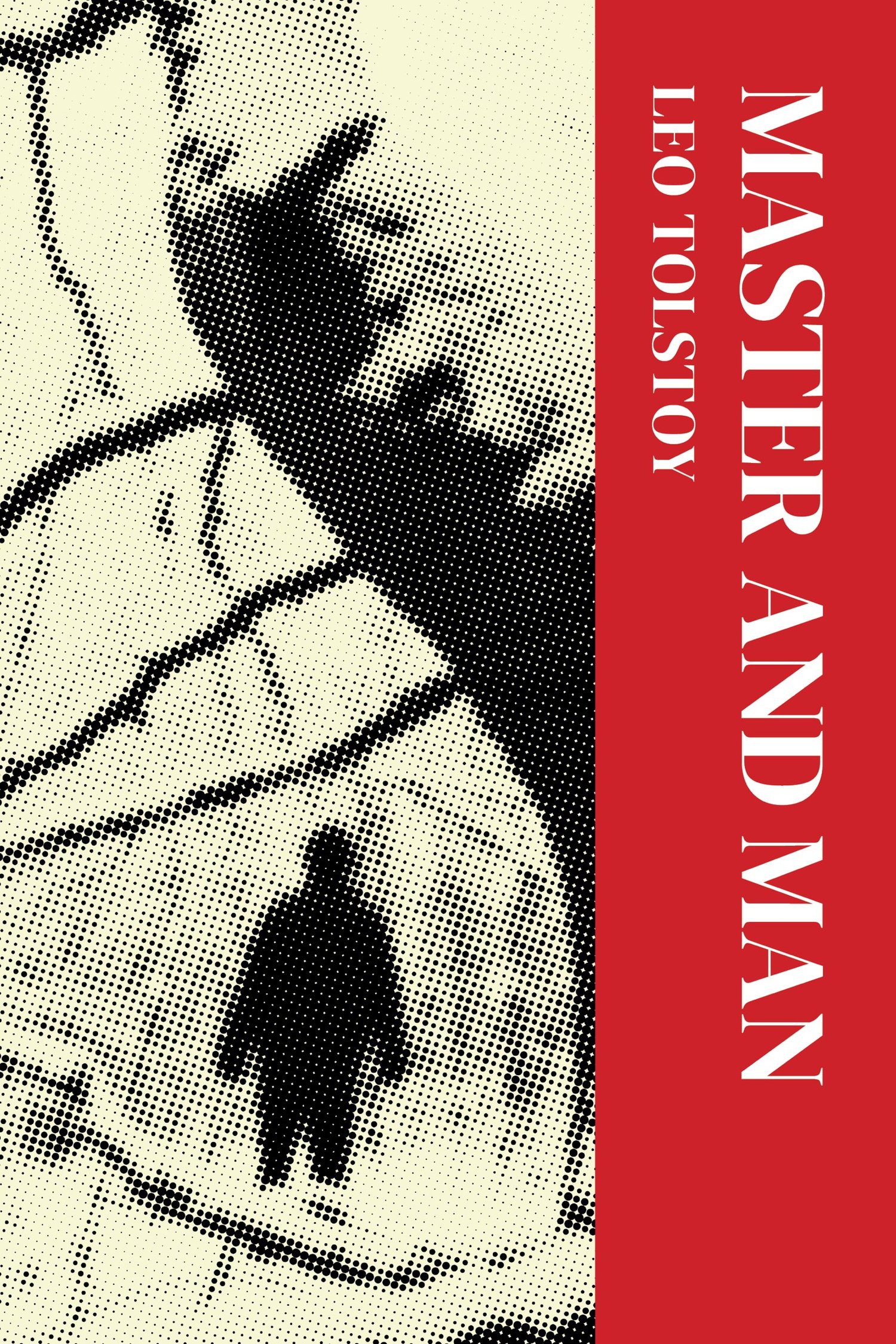
Leo Tolstoy's Master and Man begins with greed overruling wisdom. Vasily Brekhunov, a prosperous merchant, learns of land he can buy cheaply if he acts immediately. Despite an approaching snowstorm and universal objections, he sets out in a horse-drawn sledge with his servant Nikita, a gentle peasant who has accepted his subordinate position with resignation bordering on spiritual peace. Brekhunov is consumed by calculation and profit margins. Nikita is just grateful for warm clothes. As the storm intensifies and they lose their way in the whiteout, these two men—master and servant, grasping and accepting—find themselves lost in a landscape where wealth and status suddenly mean nothing.
They wander in circles as night falls and temperatures plummet. Brekhunov's confident navigation fails. When the horse can go no further, and they must stop, death becomes imminent. Nikita accepts his fate with quiet resignation—he's suffered, endured, and now he'll die, trusting it's God's will. But Brekhunov cannot accept this. His entire life has been about control and acquisition, and now none of it protects him. In the killing cold, watching his servant slowly freeze, something breaks through Brekhunov's lifelong selfishness. The choices made in that frozen darkness will determine whether a life spent accumulating was a life at all.
Written late in Tolstoy's life after he'd renounced his wealth and aristocratic privilege, Master and Man distills his radical philosophy into pure narrative. At barely 50 pages, it's a parable about what gives life meaning, compressed into a single frozen night. The story asks brutally simple questions: What matters when you're dying? Can recognizing your spiritual bankruptcy in the final moment redeem decades of blindness? Does the servant possess something the master spent his life failing to acquire? Stark, profound, and emotionally devastating—this is Tolstoy at his most concentrated and powerful, delivering the force of his thousand-page novels in a story you can read in one sitting but will remember forever.
About the author
Leo Tolstoy (1828–1910) was a Russian literary giant whose profound novels, including War and Peace and Anna Karenina, revolutionized realist fiction. A nobleman turned moral philosopher, his later works grappled with ethics, spirituality, and social justice, influencing figures like Gandhi and Martin Luther King Jr. Despite his aristocratic roots, Tolstoy championed pacifism, asceticism, and the plight of the poor, leaving a legacy as one of history’s most impassioned advocates for human dignity.