

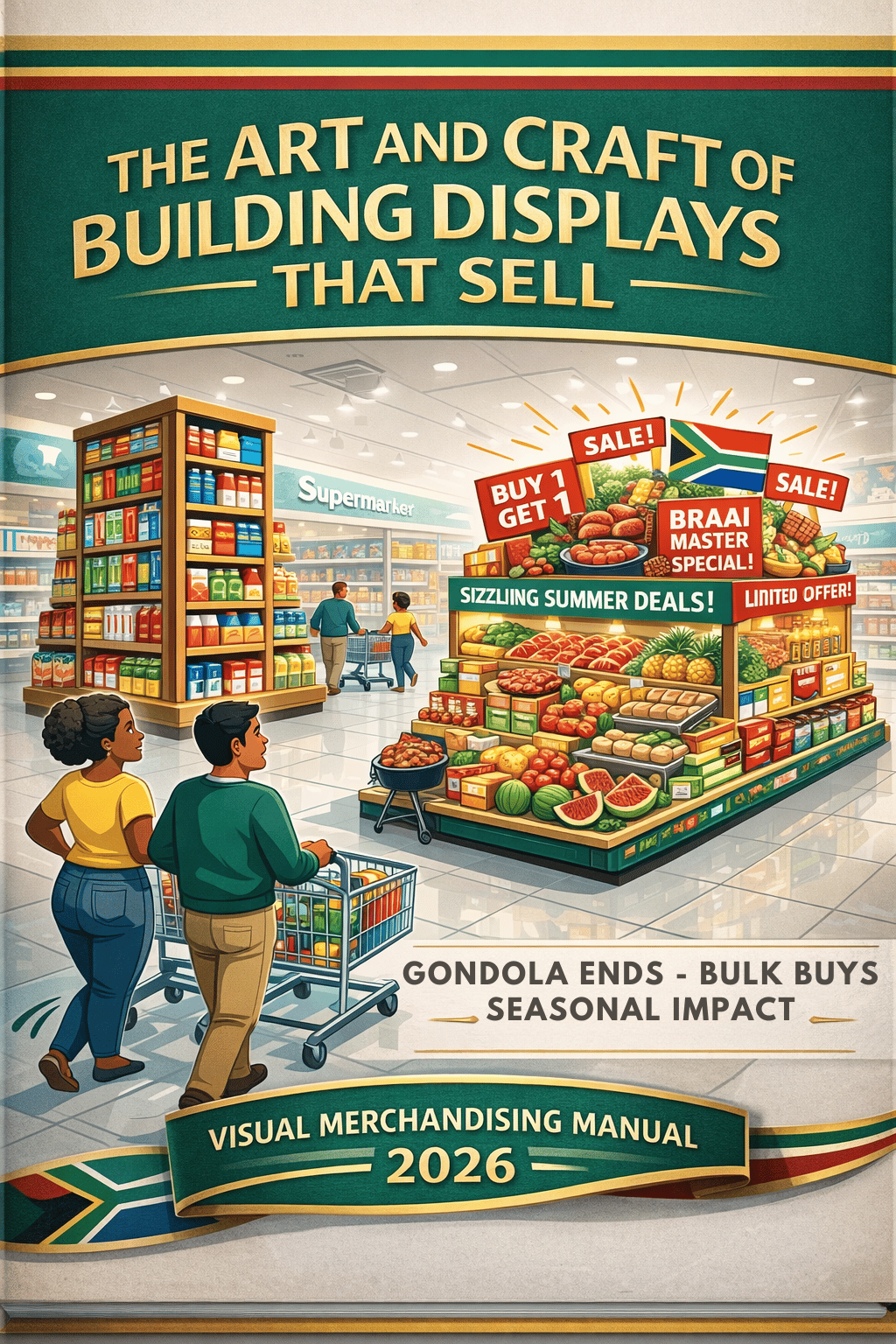





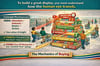
The Art and Craft of Building Displays That Sell
Why South African Franchisee Supermarket Owners & Managers Should Download
“The Art and Craft of Building Displays That Sell”
In most supermarkets, the difference between average performance and strong performance isn’t location, pricing, or even range.
It’s how products are presented on the floor.
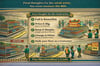
This guide focuses on the quiet, often underestimated discipline of visual merchandising — the small decisions that consistently influence how customers move, pause, and buy inside South African stores.
1. Because Displays Influence Buying More Than Most Managers Realise
Customers make the majority of their purchase decisions inside the store, not before they arrive.
Well-built displays:
- Slow customers down at the right moments
- Signal value and abundance
- Encourage unplanned purchases
This manual explains how to design displays that do this naturally, without gimmicks.
2. Because Good Displays Work Even When Staff Are Busy
A strong display continues selling:
- During peak hours
- During staff shortages
- Without constant intervention
The guide treats displays as quiet sales tools, not decorations that need constant attention.
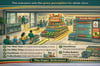
3. Because Where You Place a Display Matters as Much as What’s On It
Not all store space performs equally.
The book explains:
- Which areas attract the most attention
- Where customers naturally slow down
- Which zones consistently underperform
This helps owners avoid wasting stock and effort in areas customers rarely engage with.
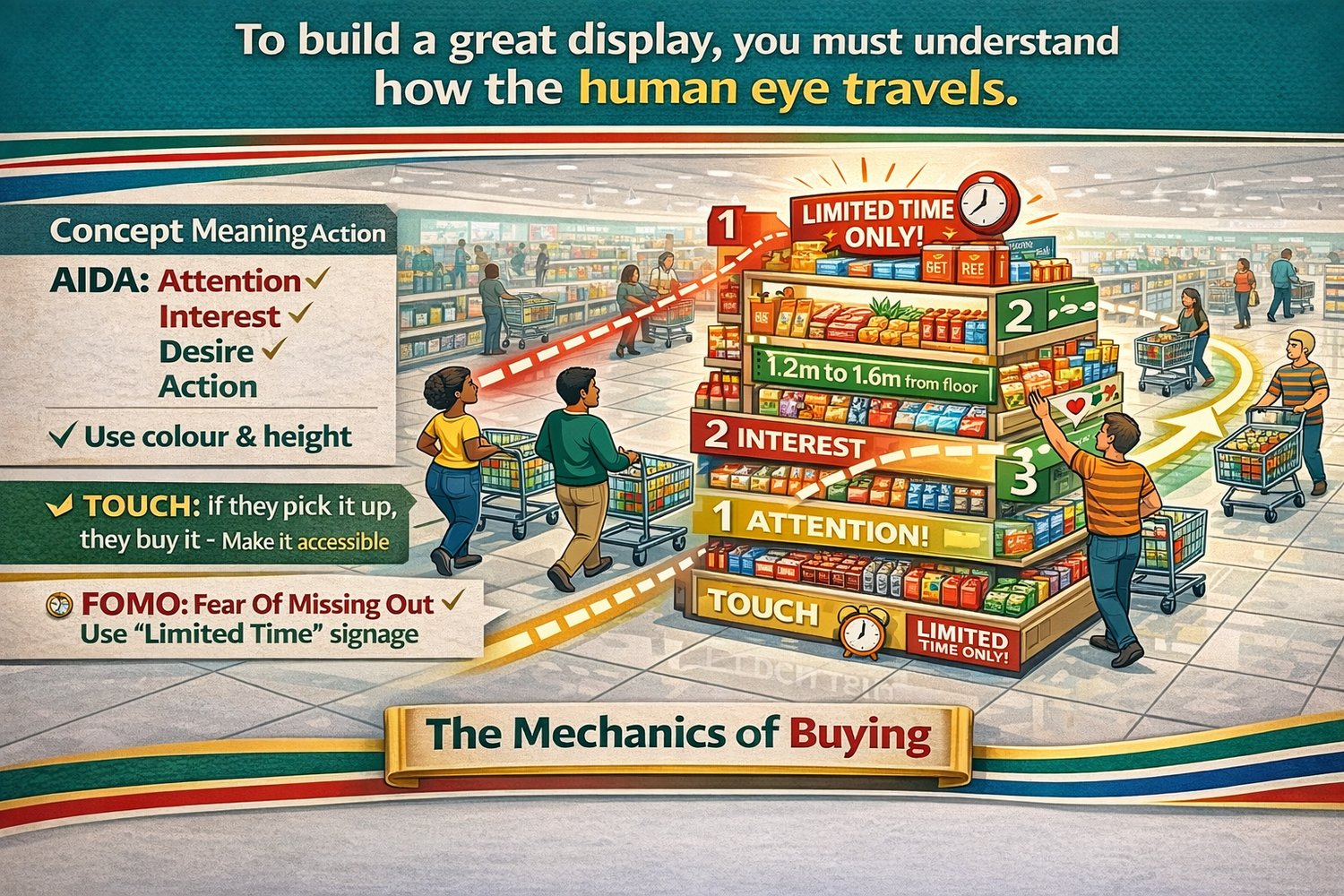
4. Because Customers Respond to Structure, Not Creativity
The guide focuses on repeatable principles, not artistic flair:
- How the eye moves
- Why eye-level placement matters
- Why simplicity often outperforms variety
It replaces guesswork with practical structure that can be taught and maintained.
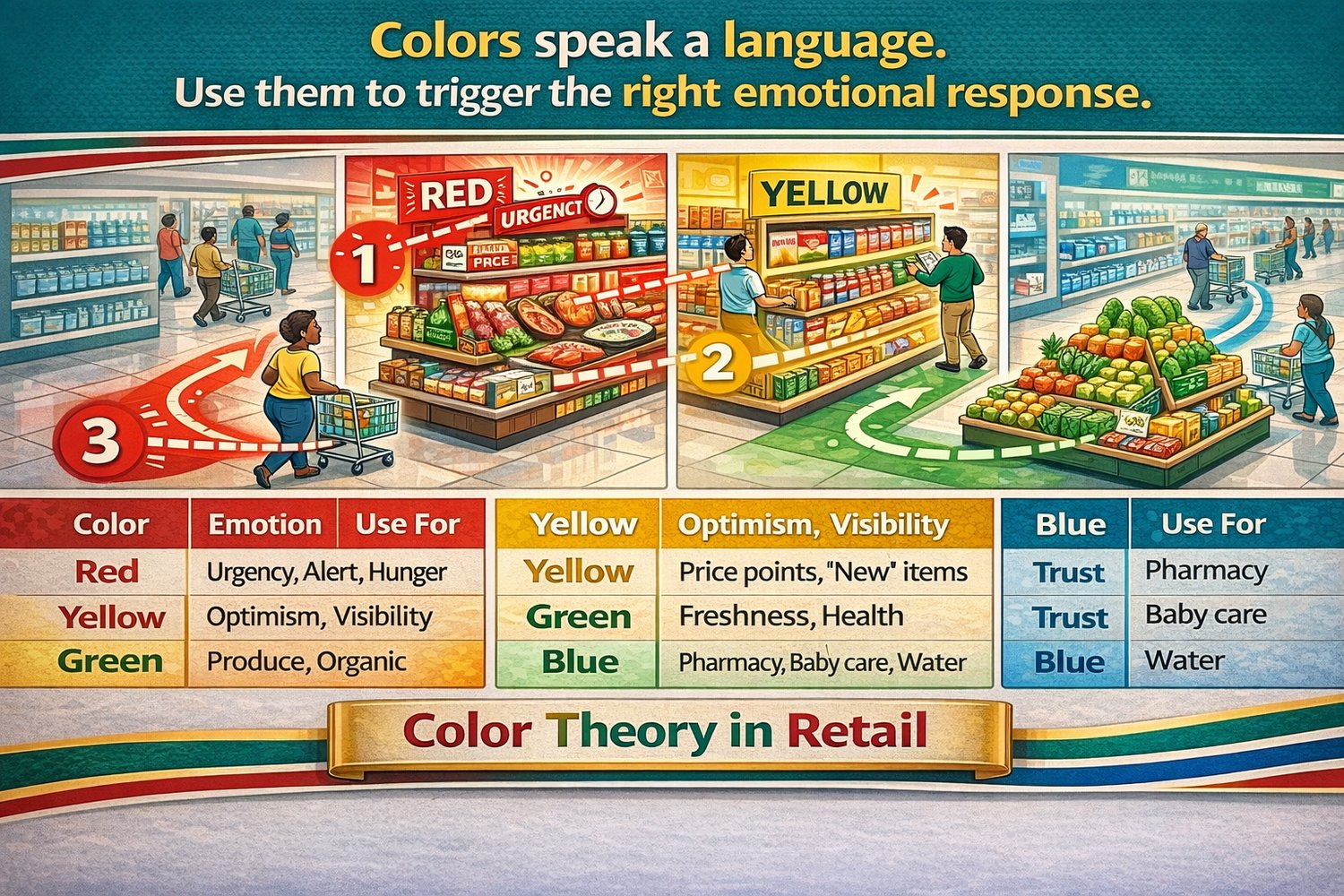
5. Because Colour, Height, and Volume Send Signals
Customers read displays before they read prices.
This manual explains:
- How colour influences urgency and trust
- Why full displays sell better than neat ones
- How height and scale affect perceived value
These cues work quietly, but consistently.
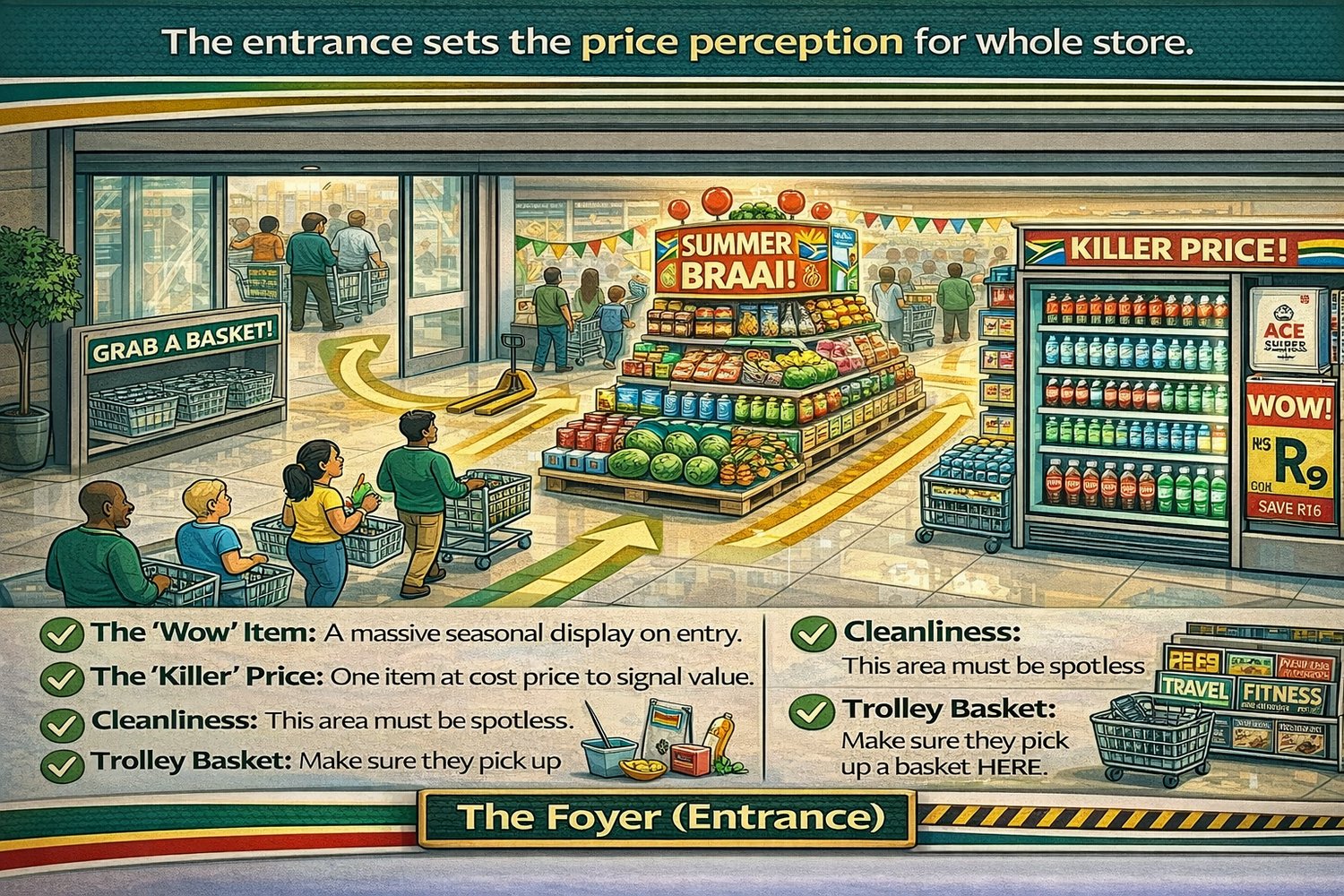
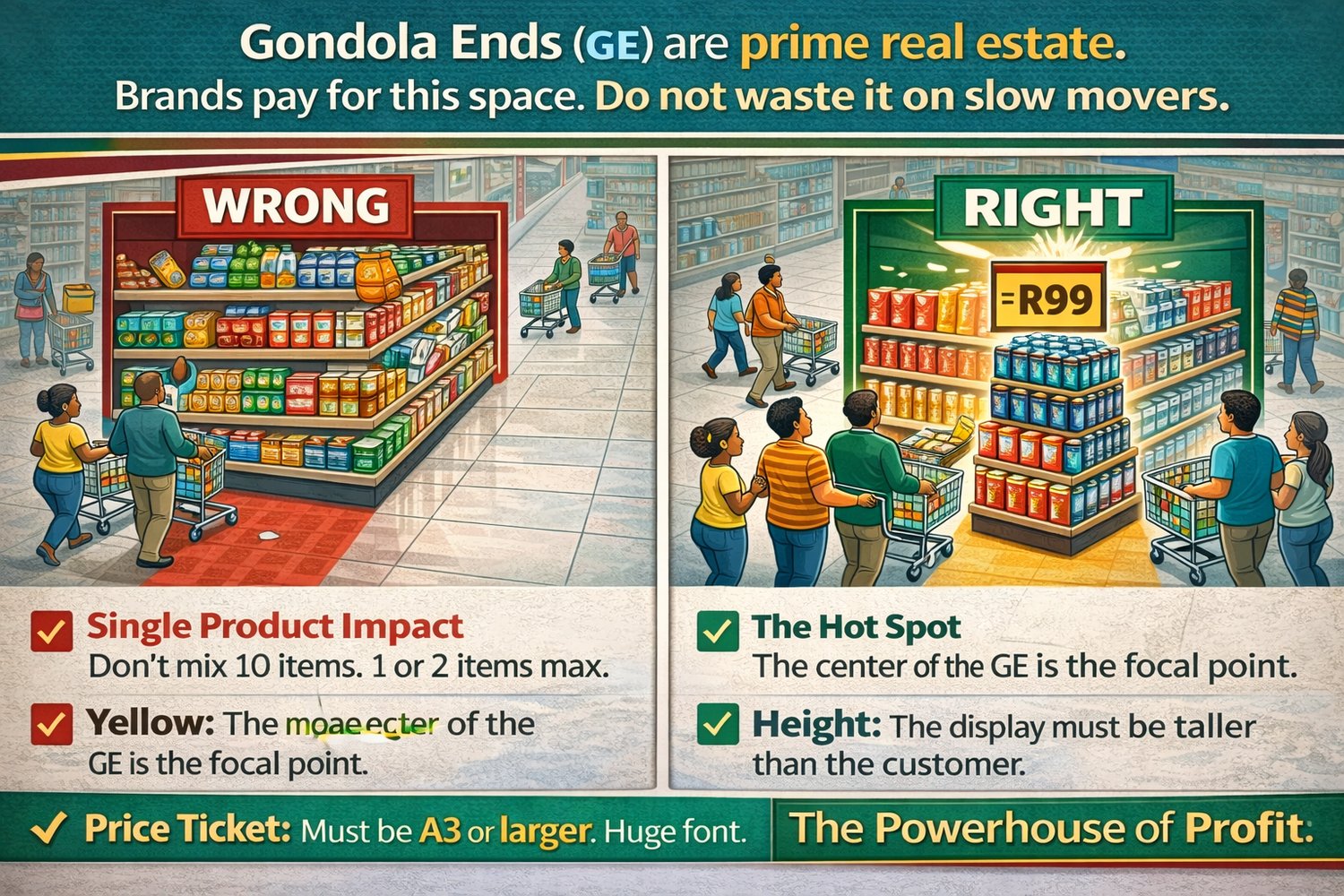
6. Because Gondola Ends and Entrances Shape Price Perception
Certain areas of the store influence how customers judge all pricing inside the shop.
The guide shows how to:
- Use gondola ends purposefully
- Avoid clutter and slow-moving stock in high-impact zones
- Present value clearly, without shouting
Small changes here can shift overall customer perception.
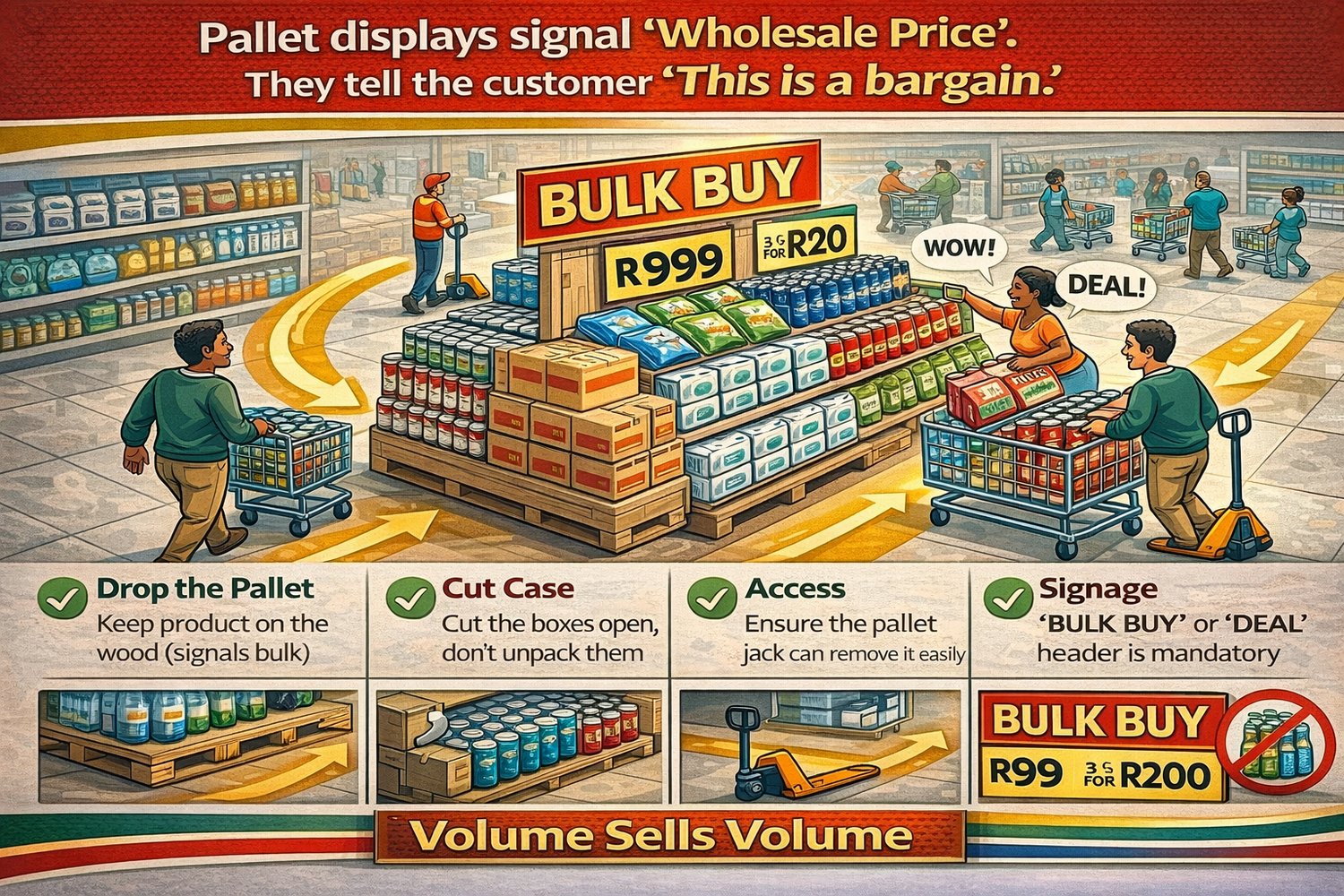
7. Because Bulk Displays Require Discipline
Bulk and pallet displays are powerful — when used correctly.
The book explains:
- When bulk signals value
- When it creates congestion
- How to keep displays safe, accessible, and shoppable
This ensures bulk selling supports the store instead of disrupting it.
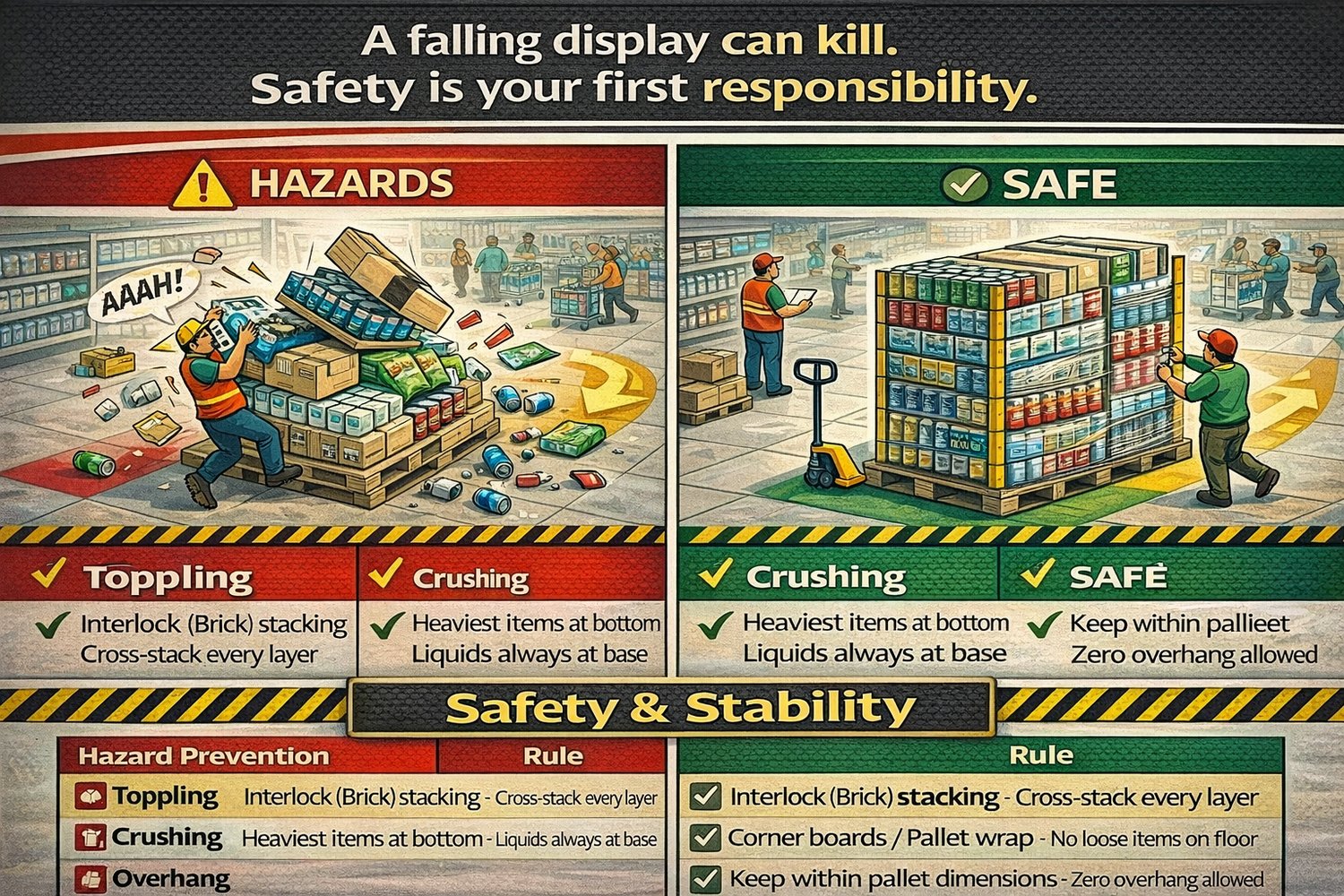
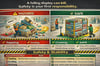
8. Because Safety and Compliance Are Part of Merchandising
Displays must sell — but they must also be safe.
The guide includes:
- Clear stacking and stability rules
- Practical safety checks
- Guidance that protects customers and owners alike
This reduces risk without adding complexity.
9. Because Impulse Zones Are Easily Neglected
Till points, queue runs, and entrance zones quietly generate high-margin sales.
The manual shows how to:
- Keep these areas disciplined and full
- Avoid overloading customers
- Focus on items that genuinely perform
Well-managed impulse zones improve results without adding pressure to staff.
10. Because Seasonal Displays Work Best With Planning
Seasonal activity is more effective when it is:
- Planned early
- Executed simply
- Cleared decisively
The guide provides a practical framework for seasonal displays that support sales rather than create leftover problems.
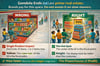
11. Because Signage Should Reduce Friction, Not Add It
Clear pricing removes hesitation.
This book explains:
- How large pricing improves confidence
- Why readable signage matters in busy stores
- How small formatting choices affect decision-making
Customers buy faster when information is easy to absorb.
12. Because Maintenance Is What Sustains Performance
Even good displays decline without routine care.
The guide outlines:
- Simple recovery standards
- Daily visual checks
- Lighting and cleanliness basics
These habits preserve performance without extra labour.
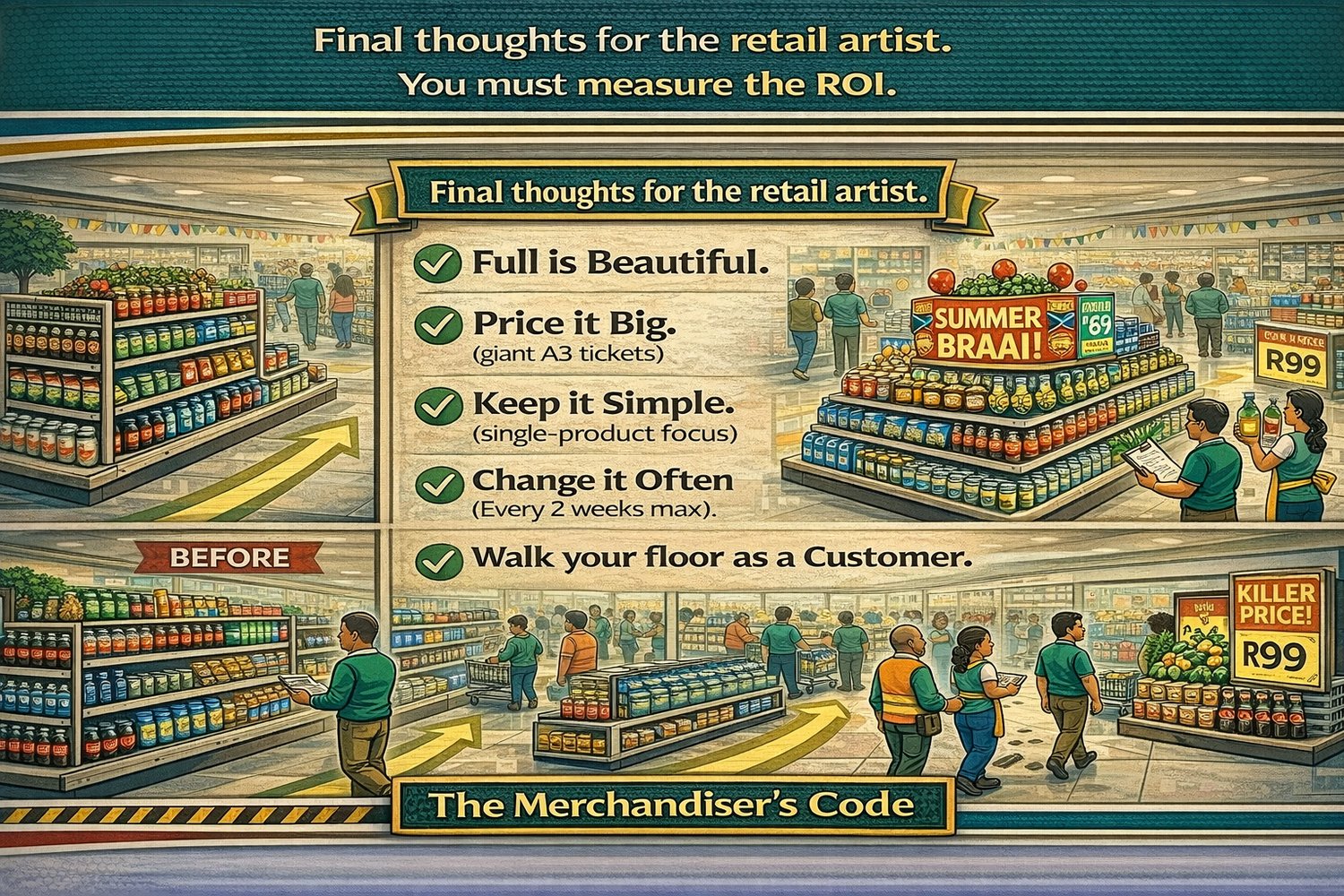
13. Because Measuring Results Matters
The manual encourages owners and managers to ask one simple question:
Did this display actually sell?
It provides guidance on:
- Reviewing sales impact
- Identifying underperforming displays
- Replacing emotion with evidence
This keeps merchandising aligned with business outcomes.
14. Because It’s Practical, Usable, and will pay for itself in the first 2 days.
This is not a conceptual guide.
It includes:
- Checklists
- Planning tools
- Floor-walk routines
- Clear, repeatable standards
One improved display can repay the time spent reading it many times over.
Final Thought
This guide reflects a simple RIDBS belief:
Retail performance improves when small details are done consistently well.
If you want:
- Better use of floor space
- More reliable impulse sales
- Cleaner, calmer store presentation
- Fewer merchandising debates
This manual provides a grounded, practical approach.
👉 Download the “The Art and Craft of Building Displays That Sell”
👉 Learn more about disciplined retail execution at https://ridbs.co.za
RIDBS focuses on what quietly works — and helps stores repeat it.
Don't Miss Out—Unlock Epic Deals & Bundles Now!
To see all our other offers and bundles, check the links below: