
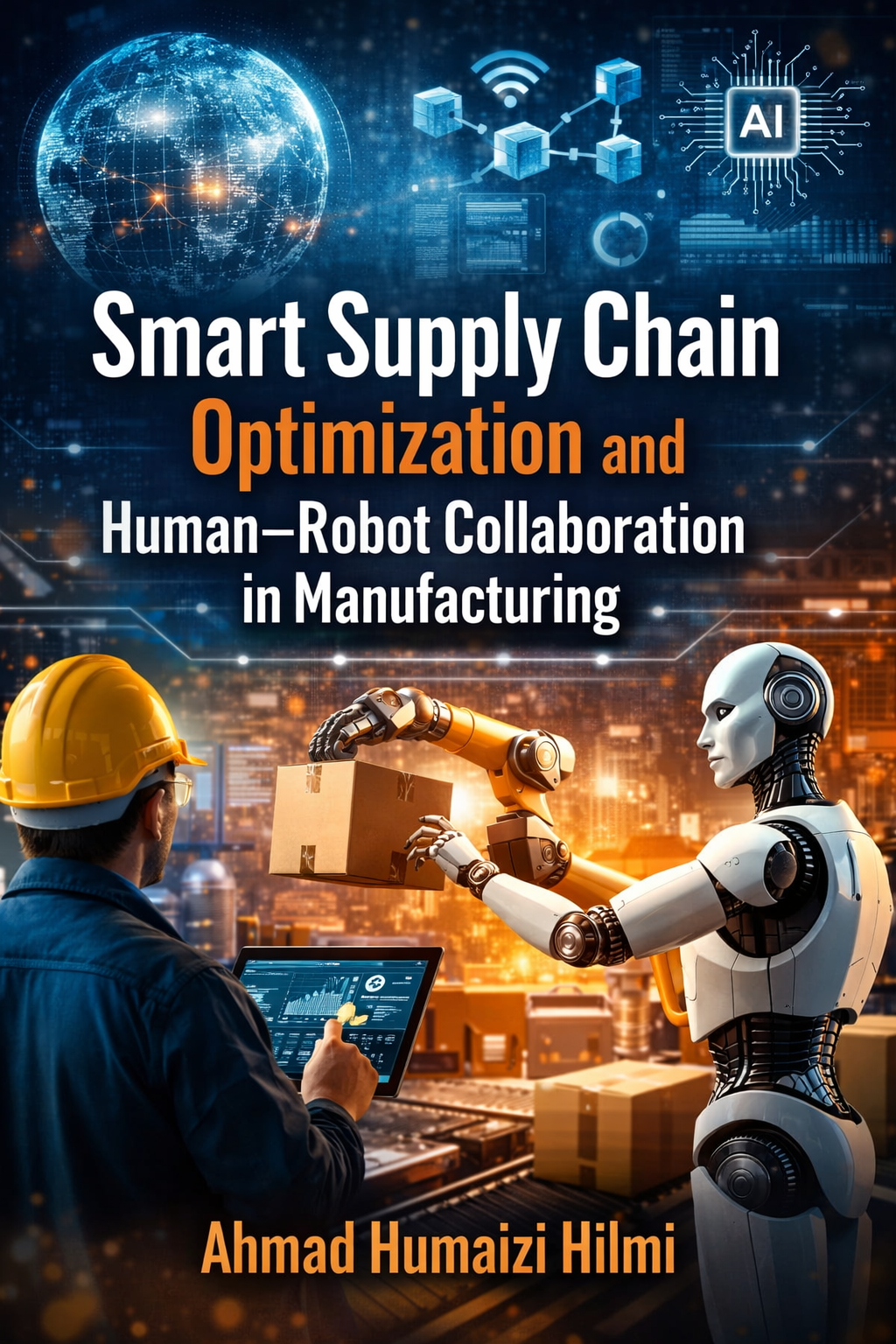


Smart Supply Chain Optimization and Human–Robot Collaboration in Manufacturing
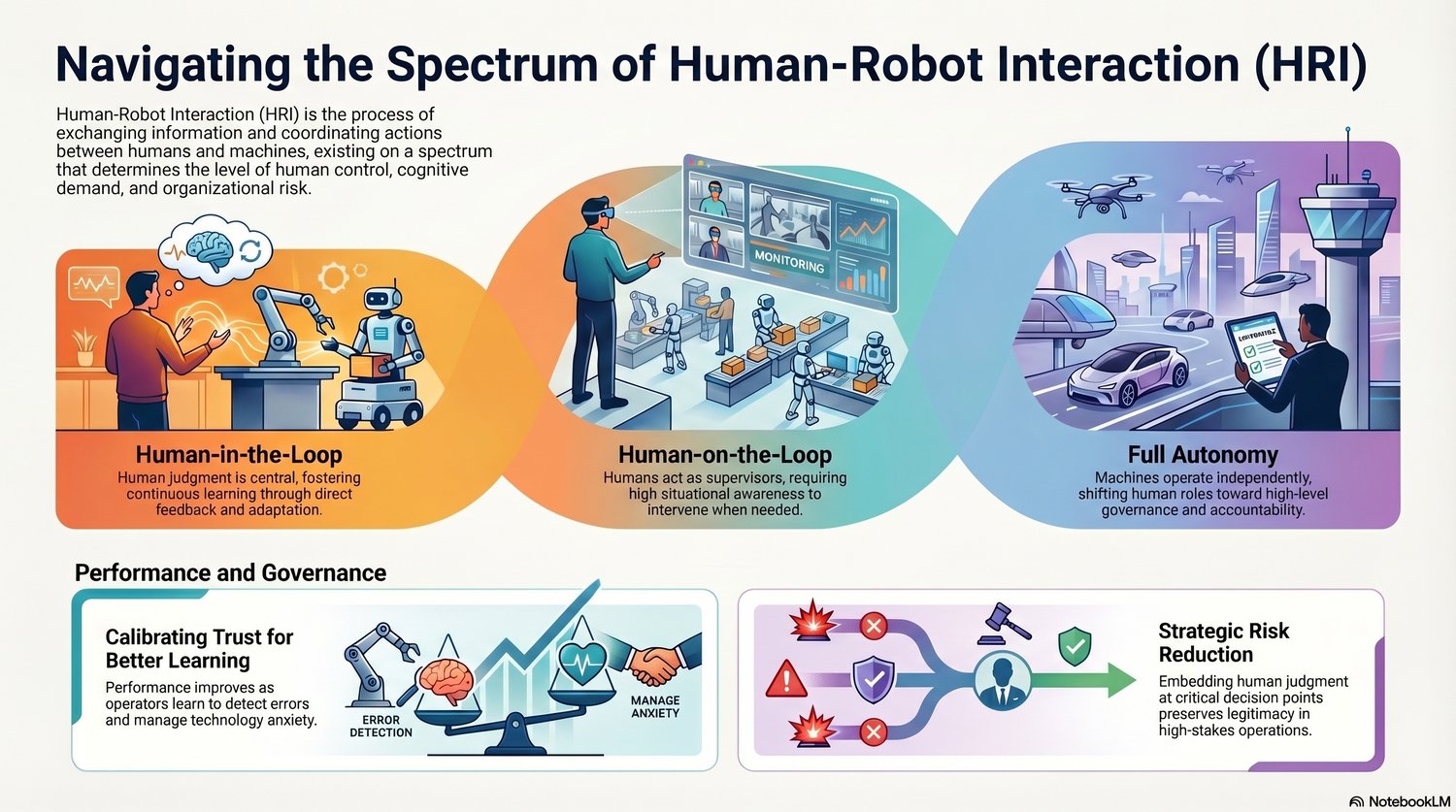
This review synthesises recent literature on smart supply chains to clarify how instrumented data flows, interoperable platforms, and automated decision routines reshape planning, execution and control. It examines next-generation technologies—artificial intelligence and machine learning for forecasting, reinforcement learning for routing and allocation, Internet of Things layers for real-time telemetry, blockchain for shared records, process mining and digital twins for simulation—and shows how these components combine in Centres of Excellence, MLOps pipelines and enterprise platforms to produce measurable operational gains. Empirical and case evidence indicates improved forecast accuracy, reduced stock-outs, higher inventory turnover, lower error rates and faster cycle times when organisations pair pilots with strong data governance, feature-store practices and staged rollouts. Human-robot interaction and collaborative robotics shift task allocation toward supervision, exception management and governance, creating hybrid roles that require analytic, technical and ethical competencies. Persistent barriers include legacy IT, fragmented data, workforce skill gaps and the need for engineering and governance standards; where firms mitigate these through incremental pilots, simulation-backed business cases and reskilling, returns tend to materialise. The review highlights gaps in production-level engineering patterns, longitudinal workforce studies and integration of exploratory methods such as quantum-inspired optimisation.
Keywords: smart supply chains, artificial intelligence, Internet of Things, digital twin, process mining, human-robot interaction
The contents is generated using #softwaretheses which is developed by the author himself. The facts are taken from 48 references related to the subject matter.