
Infant Swim Classes: Helping Babies Discover Water Through Safe and Enjoyable Experiences
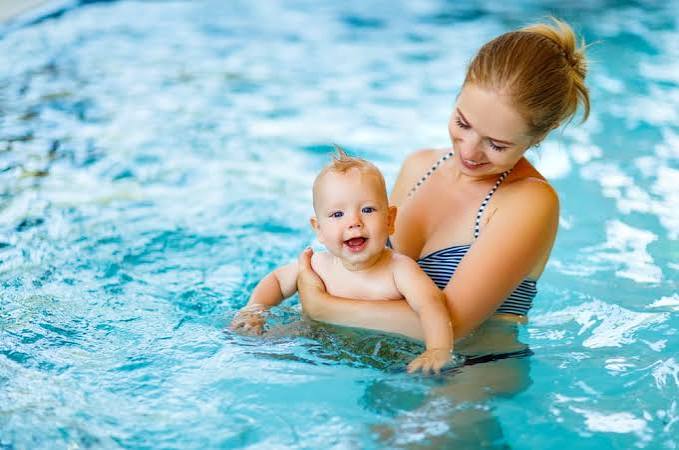
Introducing a baby to swimming can be a memorable experience for Infant Swim Classes the entire family. Infant swim classes are designed to help babies become familiar with water through gentle activities, guided movement, and close interaction with their parents or caregivers. These sessions create opportunities for sensory exploration, playful communication, and early exposure to aquatic environments. Unlike conventional swimming lessons, infant programmes focus primarily on water comfort and caregiver education rather than independent swimming. By choosing an appropriate class with trained instructors and clear safety procedures, parents can make early swimming experiences enjoyable while learning how to protect their babies around water.
Understanding the Purpose of Infant Swim Classes
Infant swim classes provide structured sessions in which babies can explore water with the support of a trusted adult. Activities are adjusted to suit the child's age, developmental stage, and individual comfort level. Instructors may introduce gentle splashing, supported movement, simple songs, and interactive games that help babies become accustomed to the pool environment. Parents also receive guidance on safe handling and appropriate ways to respond to their baby's needs. The overall purpose is to establish a positive introduction to water while reinforcing the importance of supervision and responsible aquatic behaviour.
Exploring the Developmental Benefits of Early Swimming
Water activities can offer babies a variety of sensory experiences that differ from those encountered during everyday play. Gentle movement in the pool allows infants to experience water resistance while exploring body movement with adult support. Reaching for toys, responding to sounds, and interacting with caregivers may encourage engagement and age-appropriate coordination. Swimming sessions can also provide meaningful opportunities for parent-child bonding because adults actively participate in the activities. Although every child develops at a different pace, infant swimming can complement other forms of play and physical activity when conducted in a safe, suitable environment.
How to Choose the Best Infant Swimming Class
Finding a suitable swimming programme involves more than comparing prices or class schedules. Parents should investigate the instructor's qualifications, experience with infants, and knowledge of emergency response procedures. A suitable programme should maintain appropriate water quality, follow established hygiene practices, and use teaching methods designed for babies rather than older children. Small class sizes can support closer guidance, while clear communication helps parents understand what each session involves. Before enrolling, ask about the minimum age, required equipment, class duration, caregiver participation, and policies for missed lessons or illness.
Activities Commonly Included in Baby Swimming Lessons
Infant swimming lessons often combine gentle water familiarisation with simple, engaging activities. Depending on the baby's readiness and the instructor's approach, a session may include supported movement through the pool, gentle splashing, songs, floating-toy games, and opportunities to experience the water with a caregiver nearby. Instructors may demonstrate comfortable holding positions and explain how to keep the baby's head and body appropriately supported. Activities should always remain responsive to the infant's reactions. Forced submersion, uncomfortable positions, or activities that cause distress should be avoided, and parents should follow the guidance of appropriately trained instructors.
Preparing Your Baby for the Swimming Pool
A little preparation can help make an infant swim class more comfortable. Parents should pack a suitable swim diaper, a towel, clean clothing, and any essentials needed for changing or feeding after the session. Checking the pool's requirements before arrival can prevent unnecessary inconvenience. Babies should be well enough to participate, and swimming should be postponed when illness or other concerns make attendance unsuitable. Parents can ask a healthcare professional for advice if their baby has a medical condition or specific health needs. After the lesson, dry the baby thoroughly, change them into warm clothing, and follow the facility's recommendations for rinsing and skin care.
Infant Swimming and Essential Water Safety Rules
Water safety is fundamental to every infant swimming experience. Even babies who regularly attend swimming classes cannot be expected to protect themselves from drowning. An attentive adult must remain within immediate reach and provide uninterrupted supervision whenever the infant is in or near water. Swimming aids, pool toys, and flotation devices do not replace this responsibility. Parents should also check that pool access is secure and that the facility has appropriate emergency procedures. Learning infant CPR and understanding basic water emergency response can provide valuable preparation for caregivers. A good swimming programme consistently reinforces these precautions.
Creating a Relaxed and Enjoyable Swimming Routine
Babies respond differently to new environments, so parents should approach swimming with patience and flexibility. Some infants may enjoy splashing from their first visit, while others need time to become comfortable with the pool's temperature, sounds, and movements. Caregivers can support a positive experience by remaining calm, offering reassurance, and following the baby's signals. Short, age-appropriate sessions are often more suitable than activities that continue after an infant becomes tired or uncomfortable. Progress should be measured by comfort and positive participation rather than by expectations of rapid swimming ability.
Conclusion
Infant swim classes introduce babies to water through gentle activities, caregiver participation, and age-appropriate experiences. These programmes can create opportunities for sensory exploration, movement, and stronger parent-child interaction while helping caregivers understand essential water safety practices. When selecting a class, parents should prioritise qualified instructors, hygienic facilities, individual comfort, and clear supervision standards. Most importantly, swimming lessons never eliminate drowning risks or replace constant adult supervision. With realistic expectations and careful preparation, infant swimming can become a rewarding family activity that encourages a positive introduction to the aquatic environment.
Infant Swim Classes: Helping Babies Discover Water Through Safe and Enjoyable Experiences
Introducing a baby to swimming can be a memorable experience for the entire family. Infant swim classes are designed to help babies become familiar with water through gentle activities, guided movement, and close interaction with their parents or caregivers. These sessions create opportunities for sensory exploration, playful communication, and early exposure to aquatic environments. Unlike conventional swimming lessons, infant programmes focus primarily on water comfort and caregiver education rather than independent swimming. By choosing an appropriate class with trained instructors and clear safety procedures, parents can make early swimming experiences enjoyable while learning how to protect their babies around water.
Understanding the Purpose of Infant Swim Classes
Infant swim classes provide structured sessions in which babies can explore water with the support of a trusted adult. Activities are adjusted to suit the child's age, developmental stage, and individual comfort level. Instructors may introduce gentle splashing, supported movement, simple songs, and interactive games that help babies become accustomed to the pool environment. Parents also receive guidance on safe handling and appropriate ways to respond to their baby's needs. The overall purpose is to establish a positive introduction to water while reinforcing the importance of supervision and responsible aquatic behaviour.
Exploring the Developmental Benefits of Early Swimming
Water activities can offer babies a variety of sensory experiences that differ from those encountered during everyday play. Gentle movement in the pool allows infants to experience water resistance while exploring body movement with adult support. Reaching for toys, responding to sounds, and interacting with caregivers may encourage engagement and age-appropriate coordination. Swimming sessions can also provide meaningful opportunities for parent-child bonding because adults actively participate in the activities. Although every child develops at a different pace, infant swimming can complement other forms of play and physical activity when conducted in a safe, suitable environment.
How to Choose the Best Infant Swimming Class
Finding a suitable swimming programme involves more than comparing prices or class schedules. Parents should investigate the instructor's qualifications, experience with infants, and knowledge of emergency response procedures. A suitable programme should maintain appropriate water quality, follow established hygiene practices, and use teaching methods designed for babies rather than older children. Small class sizes can support closer guidance, while clear communication helps parents understand what each session involves. Before enrolling, ask about the minimum age, required equipment, class duration, caregiver participation, and policies for missed lessons or illness.
Activities Commonly Included in Baby Swimming Lessons
Infant swimming lessons often combine gentle water familiarisation with simple, engaging activities. Depending on the baby's readiness and the instructor's approach, a session may include supported movement through the pool, gentle splashing, songs, floating-toy games, and opportunities to experience the water with a caregiver nearby. Instructors may demonstrate comfortable holding positions and explain how to keep the baby's head and body appropriately supported. Activities should always remain responsive to the infant's reactions. Forced submersion, uncomfortable positions, or activities that cause distress should be avoided, and parents should follow the guidance of appropriately trained instructors.
Preparing Your Baby for the Swimming Pool
A little preparation can help make an infant swim class more comfortable. Parents should pack a suitable swim diaper, a towel, clean clothing, and any essentials needed for changing or feeding after the session. Checking the pool's requirements before arrival can prevent unnecessary inconvenience. Babies should be well enough to participate, and swimming should be postponed when illness or other concerns make attendance unsuitable. Parents can ask a healthcare professional for advice if their baby has a medical condition or specific health needs. After the lesson, dry the baby thoroughly, change them into warm clothing, and follow the facility's recommendations for rinsing and skin care.
Infant Swimming and Essential Water Safety Rules
Water safety is fundamental to every infant swimming experience. Even babies who regularly attend swimming classes cannot be expected to protect themselves from drowning. An attentive adult must remain within immediate reach and provide uninterrupted supervision whenever the infant is in or near water. Swimming aids, pool toys, and flotation devices do not replace this responsibility. Parents should also check that pool access is secure and that the facility has appropriate emergency procedures. Learning infant CPR and understanding basic water emergency response can provide valuable preparation for caregivers. A good swimming programme consistently reinforces these precautions.
Creating a Relaxed and Enjoyable Swimming Routine
Babies respond differently to new environments, so parents should approach swimming with patience and flexibility. Some infants may enjoy splashing from their first visit, while others need time to become comfortable with the pool's temperature, sounds, and movements. Caregivers can support a positive experience by remaining calm, offering reassurance, and following the baby's signals. Short, age-appropriate sessions are often more suitable than activities that continue after an infant becomes tired or uncomfortable. Progress should be measured by comfort and positive participation rather than by expectations of rapid swimming ability.
Conclusion
Infant swim classes introduce babies to water through gentle activities, caregiver participation, and age-appropriate experiences. These programmes can create opportunities for sensory exploration, movement, and stronger parent-child interaction while helping caregivers understand essential water safety practices. When selecting a class, parents should prioritise qualified instructors, hygienic facilities, individual comfort, and clear supervision standards. Most importantly, swimming lessons never eliminate drowning risks or replace constant adult supervision. With realistic expectations and careful preparation, infant swimming can become a rewarding family activity that encourages a positive introduction to the aquatic environment.