
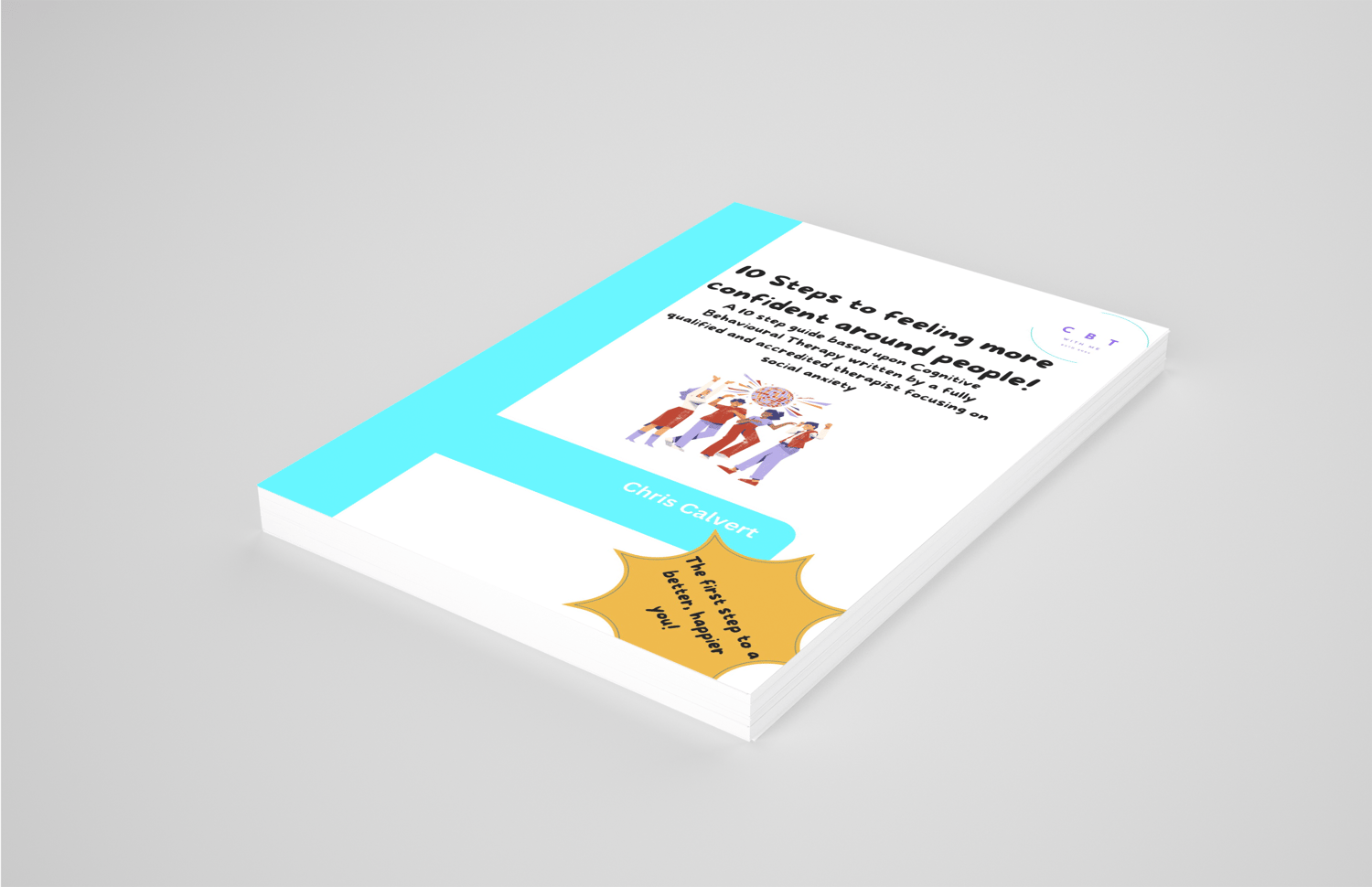




10 Steps to Feeling More Confident
A Practical CBT Resource for Assessment, Formulation and Intervention
The Social Anxiety Intervention Guide is a comprehensive, step by step CBT resource designed to support both clinicians and individuals in understanding and treating social anxiety using evidence based approaches.
Grounded in cognitive behavioural therapy and aligned with NHS and IAPT style practice, this guide brings together psychoeducation, formulation, and practical intervention tools in one clear, accessible workbook style resource.
It is suitable for:
CBT, CWP, PWP and EMHP's
Qualified practitioners working with social anxiety
Students and early career clinicians
Individuals seeking structured, evidence based self help
Parents for use with a younger child and teens.
What’s included
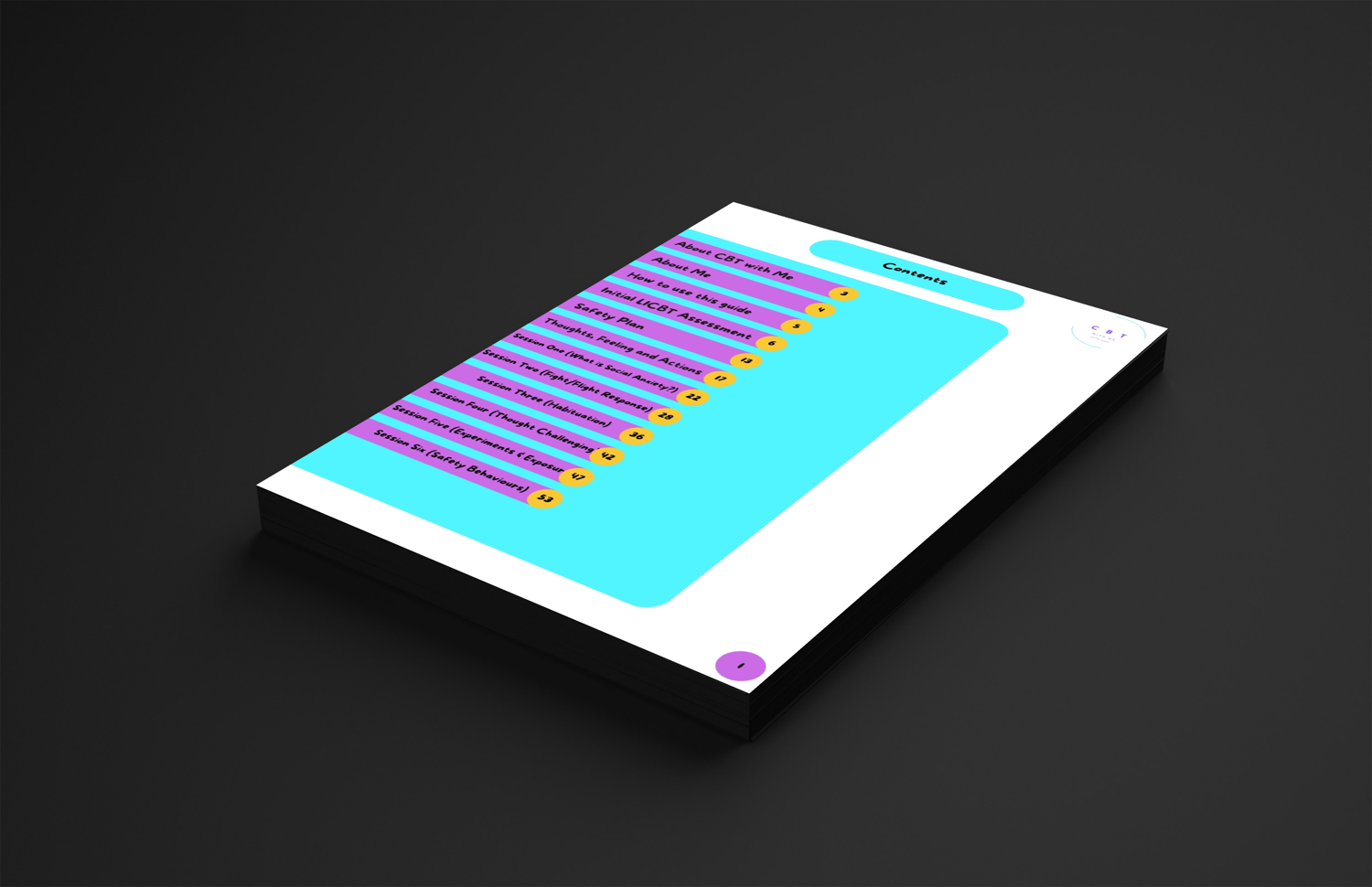
This guide takes you through the full CBT pathway for social anxiety, including:
A clear explanation of what social anxiety is and how it is maintained
Psychoeducation around the fear of negative evaluation, self focused attention, and safety behaviours
A structured CBT formulation for social anxiety, helping link thoughts, feelings, physical sensations and behaviours
Identification and reduction of safety behaviours
Guidance on attention training and behavioural experiments
Support with graded exposure and habituation
Worksheets to help challenge unhelpful beliefs and assumptions
Reflection prompts to support learning and relapse prevention
The worksheets are designed to be practical and usable, rather than overly academic, making them ideal for real world clinical work or self guided use.
How it can be used
As a stand alone intervention guide for social anxiety
Alongside therapy sessions as structured between session work
As a training and revision resource for CBT based courses
As part of a wider CBT programme or wellbeing curriculum
Worksheets can be printed or used digitally and are suitable for both individual and group work.
Why this guide is different
This resource has been developed by a practitioner with extensive experience working in NHS talking therapies and education settings. It bridges the gap between theory and practice by focusing on how social anxiety actually shows up in day to day life, and how CBT techniques can be applied in a realistic, compassionate way.
The language is clear, supportive and non pathologising, making it accessible while still clinically robust.
Important note
This guide is intended as a therapeutic and educational resource. It does not replace individual therapy or clinical supervision, but can be used alongside professional support or as structured self help.