
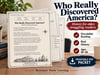
Who Really Discovered America? A Decodable History Reader for Older Struggling Readers (Ages 10–18)
Your child is bright…
…but reading still feels exhausting.
They’ve outgrown baby books, yet grade-level textbooks are overwhelming.
This history reader bridges the gap.
Perfect for:
✔ Dyslexia
✔ Reading delays
✔ ADHD
✔ Homeschool
✔ Intervention
✔ Reluctant readers
Instead of reading another story about talking animals…
Your child will read real history.
Instead of feeling embarrassed…
They’ll finish a chapter independently.
Instead of dreading reading time…
They’ll actually want to know what happens next.
Your child may understand history perfectly well but still struggle to read the textbook. That does not mean the history needs to be watered down. It means the reading barrier needs to be lowered.
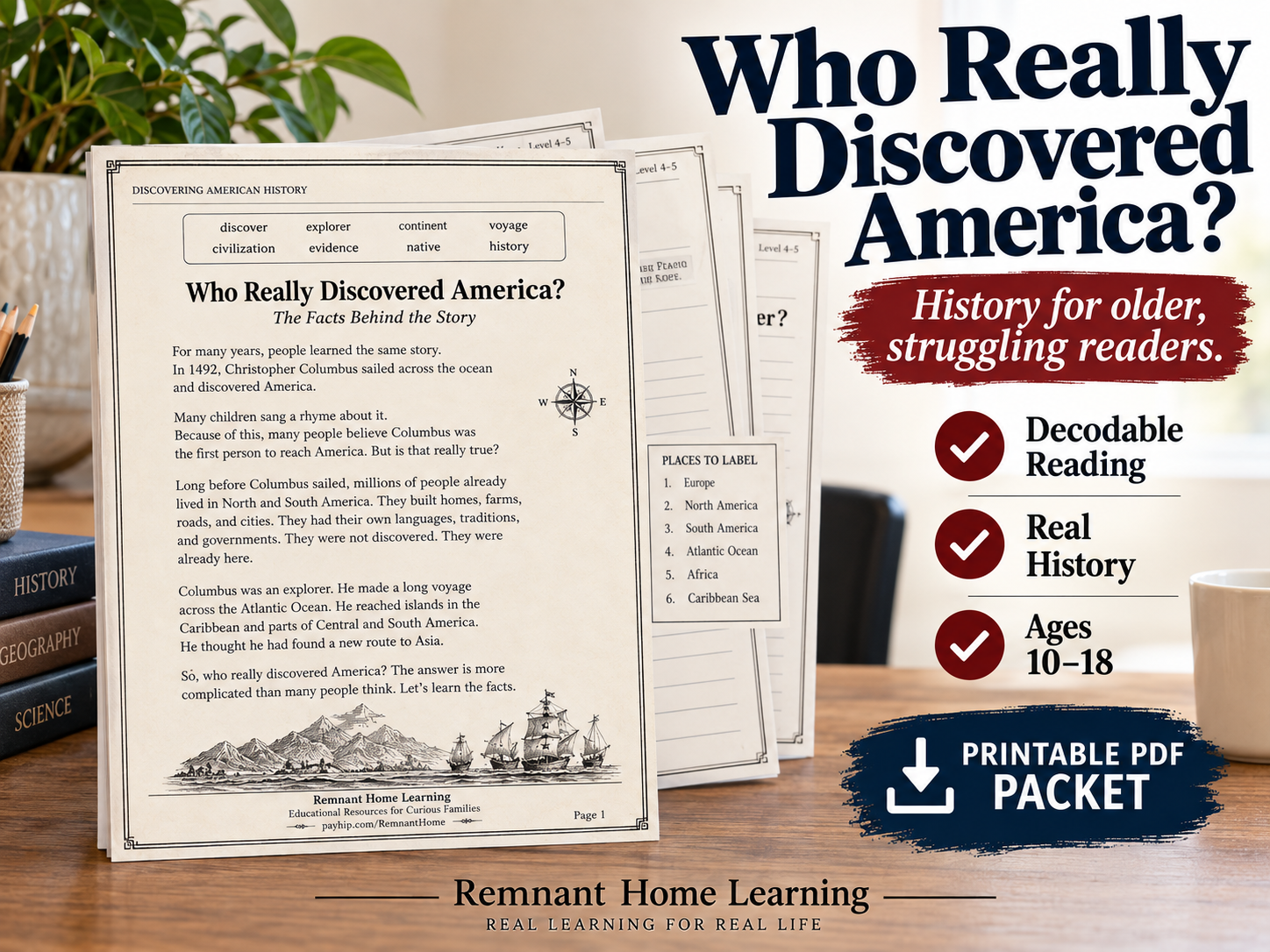
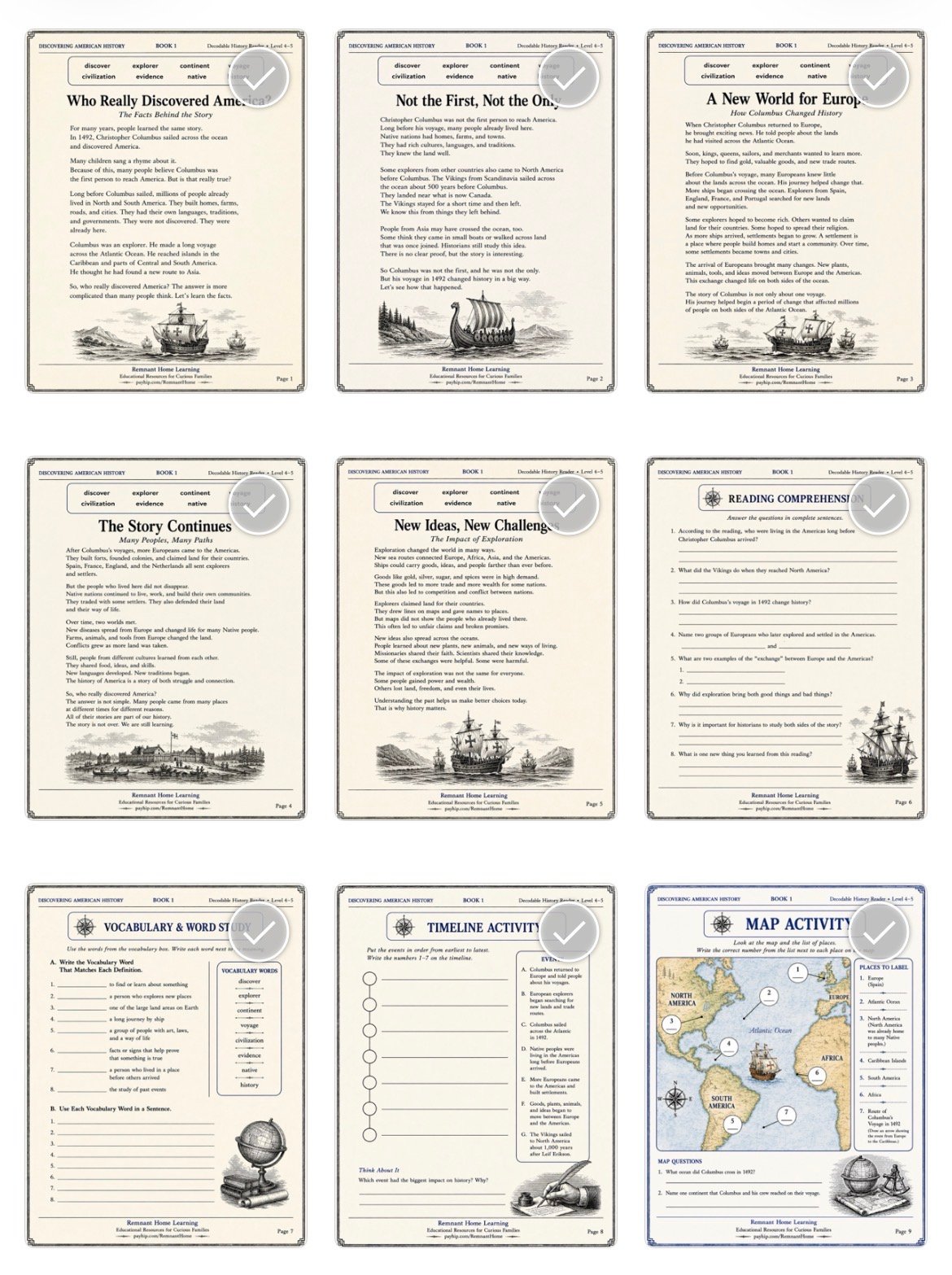
Who Really Discovered America? is a free, accessible American history reader created for older struggling readers ages 10–18. It gives students meaningful, age-respectful history content in a format that is easier to read and less overwhelming than a traditional textbook.
This is not a babyish beginning reader or a phonics-based decodable book. It is a high-interest history resource designed for students who need accessible text while they continue building reading fluency, vocabulary, comprehension, and confidence.
What Students Will Explore
Who really discovered America? The answer is more complicated than one familiar name or one famous voyage. This reader encourages students to look more carefully at the story, consider the people who were already here, and think about what the word “discovered” actually means.
Students get real American history content while practicing reading with material that respects their age and ability to think.
This Resource Is Designed For
- Older struggling readers ages 10–18
- Students with dyslexia or other language-based learning differences
- Students with ADHD, reading delays, or reduced reading stamina
- Reluctant readers who are tired of childish reading materials
- Homeschool families
- Special education and reading intervention
- Parents and teachers who need accessible history content
What’s Included
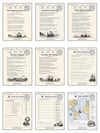
- An accessible American history reader
- High-interest, age-respectful content
- Clear text presented in manageable sections
- Reading practice connected to real academic learning
- A printable digital PDF
- Immediate download
Skills Supported
- Reading fluency
- Accurate word reading
- Vocabulary development
- Reading comprehension
- Critical thinking
- American history knowledge
- Reading confidence and stamina
This resource is Science of Reading-informed, but it is not a complete reading curriculum or a fully decodable phonics reader. It is supplemental academic reading practice for older students who need the reading level made more accessible without lowering the learning.
About Remnant Home Learning
Created by Renee Majors, a certified ESE teacher and homeschool parent who needed the kind of age-respectful reading materials she could not find for her own children.
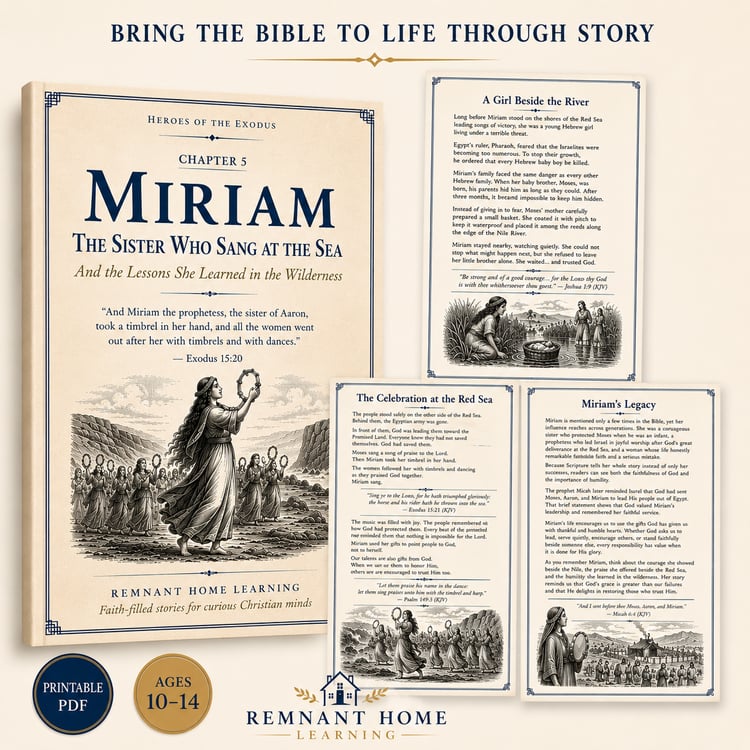
Remnant Home Learning creates accessible, Science of Reading-informed history, science, and Bible resources for older struggling readers, including students with dyslexia and other learning differences.
Lower the reading barrier. Not the learning.
Continue Learning
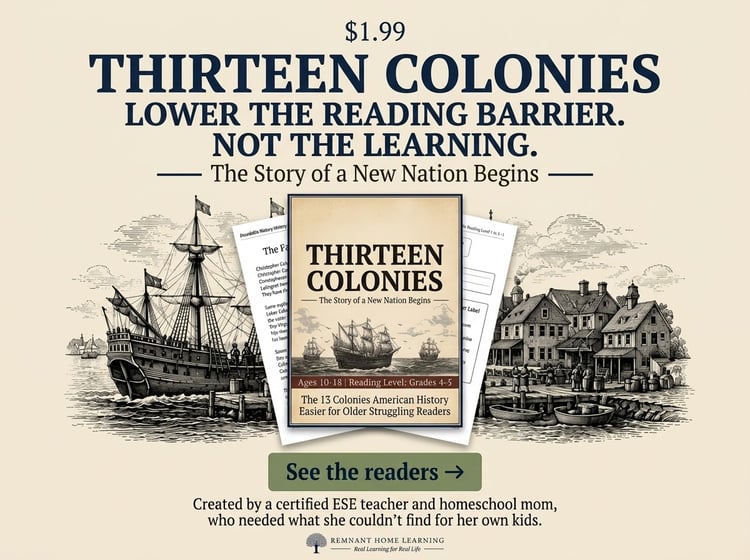
After completing this reader, explore Thirteen Colonies: An Accessible American History Reader for Older Struggling Readers to continue building reading fluency while learning real American history.
Parents may also benefit from Why Your Older Child Still Struggles to Read, Even After Learning Phonics, a free guide explaining what may still be interfering with fluent reading.
Format: Free digital PDF download. No physical product will be mailed.
Perfect For
- Homeschool families
- Reading intervention
- Dyslexia support
- Special education
- Resource classrooms
- Independent practice
- Summer learning
- Tutoring
- Upper elementary and middle school readers
Designed For
Interest Level: Ages 10–18
You may also find these helpful:
Why Your Older Child Still Struggles to Read, Even After Learning Phonics: A free parent guide explaining what may still be missing.