
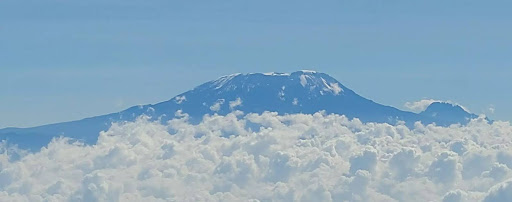
The Best Route to Climb Kilimanjaro: How to Choose the Right Path to the Summit
Climbing Mount Kilimanjaro is one of the great trekking experiences of the world. Rising 5,895 metres above Tanzania, it’s the highest free-standing mountain on Earth and a true test of endurance rather than climbing skill. Choosing the right route can make the difference between a successful summit and a struggle with altitude.
Those planning their climb often ask which is the best route to climb Kilimanjaro. The answer depends on a mix of factors — time available, fitness level, comfort with camping, and appetite for solitude versus company on the trail.
The Main Kilimanjaro Routes
Marangu Route
Sometimes called the “Coca-Cola Route,” Marangu is the oldest and one of the most straightforward paths. It’s the only route with hut accommodation instead of tents, making it attractive for those seeking comfort. However, its quick ascent allows limited acclimatisation, which can increase the risk of altitude sickness.
Machame Route
The “Whiskey Route” is one of the most scenic and popular options. It offers varied landscapes — rainforest, moorland, alpine desert — and follows a “climb high, sleep low” pattern that supports gradual adjustment to altitude. The trade-off is steeper climbs and busier campsites.
Lemosho Route
Often regarded as the most balanced choice, Lemosho begins on the quieter western slopes and merges with Machame after a few days. It typically takes eight days, providing ample time to adapt. The route is known for its diverse terrain and excellent summit success rates.
Rongai Route
Approaching from the northern side near the Kenyan border, Rongai is drier and receives fewer trekkers. It’s ideal during the wet season or for climbers seeking a peaceful ascent.
Northern Circuit
This is the longest and least crowded option, circling much of the mountain before reaching the summit from the west. With nine to ten days on the trail, it provides the best acclimatisation profile and panoramic views, though at a higher cost and time commitment.
Choosing the Route That Fits
The best route is ultimately the one that matches a climber’s priorities. Those with limited time may prefer Machame or Marangu, while those who value acclimatisation and scenery often choose Lemosho or the Northern Circuit. The slower ascents provide not only a safer climb but also a richer appreciation of Kilimanjaro’s shifting ecosystems — from humid forest to frozen summit.
Preparation and Support
Regardless of the route, success depends on preparation and reliable local expertise. Established guiding companies plan itineraries that balance daily elevation gain and rest periods, manage safety protocols, and ensure ethical porter treatment. Prospective climbers can learn about Team Kilimanjaro’s expeditions to see how experienced operators structure their climbs for safety and enjoyment.
Final Thoughts
There is no single “best” way up Kilimanjaro, but there is a best route for you. If your goal is to enjoy the mountain as much as conquer it, choose the option that gives your body time to adjust and your mind space to take in the journey. With proper guidance, patience, and respect for the altitude, reaching Uhuru Peak becomes an achievable and unforgettable adventure.