

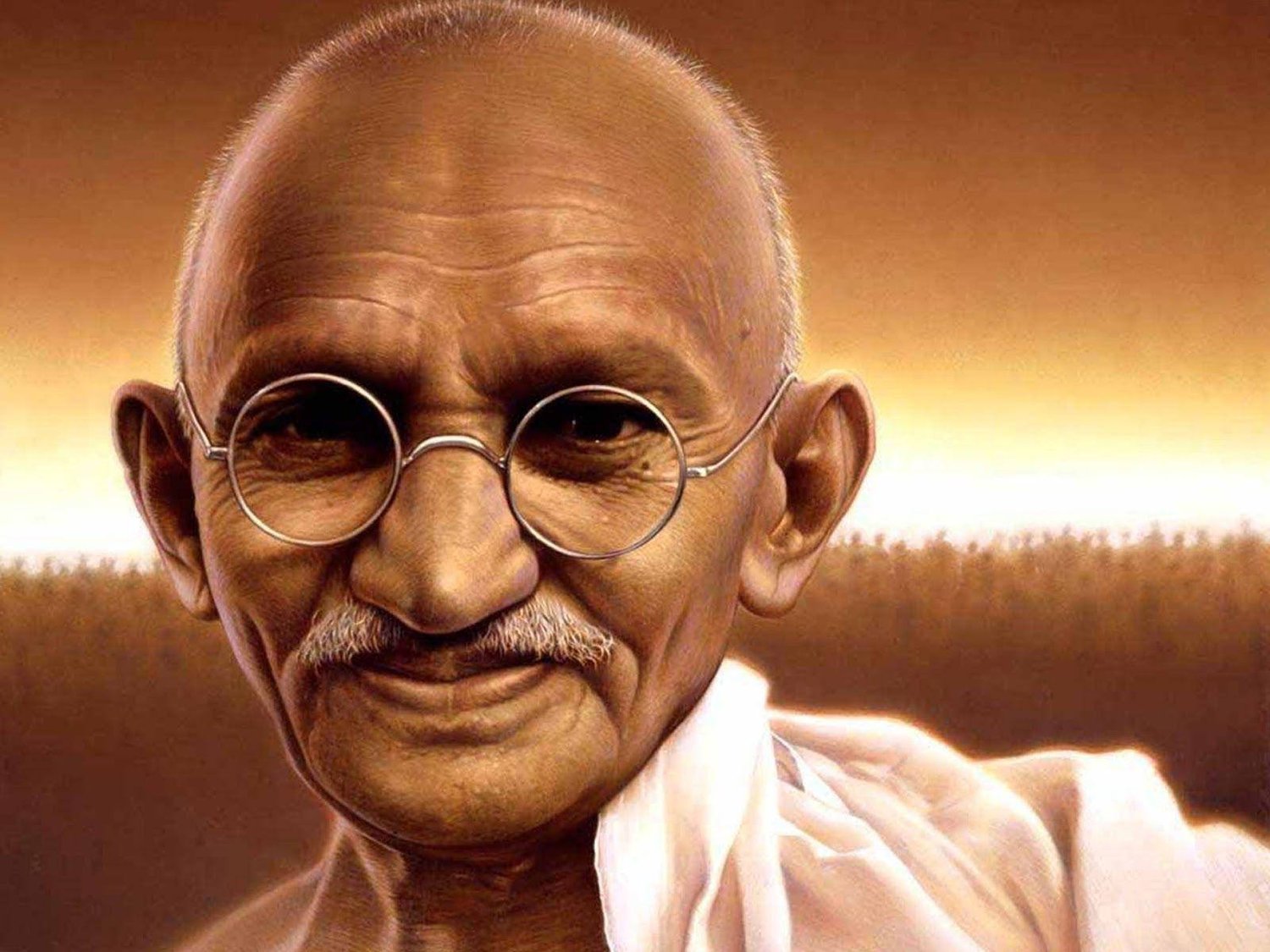
Mahatma Gandhi The Father of India By Jason Burns
Mahatma Gandhi: The Father of India by Jason Burns is more than a biography; it’s a vivid tapestry woven with threads of resilience, nonviolence, and unwavering faith. As I reflect on Gandhi’s journey to free India, I see a story that transcends history—an inspiring testament to the power of peaceful resistance in the face of overwhelming odds.
Burns captures Gandhi’s spirit as a quiet storm, a man who understood that true strength isn’t measured by armies or weapons but by the unwavering conviction of the soul. His approach was revolutionary: a ripple of nonviolent protest that grew into a tidal wave, dismantling centuries of colonial rule. Burns illustrates how Gandhi’s philosophy of satyagraha—truth and firmness—became a beacon for oppressed millions, illuminating the path to freedom through moral courage rather than violence.
Reading this, I am struck by the sheer audacity of his methods—fasts, marches, civil disobedience—acts of defiance that didn’t seek to destroy but to awaken. Burns vividly shows how Gandhi’s steadfast faith in truth and justice inspired a nation to stand up against injustice, transforming passive suffering into active resistance. His leadership was rooted in humility, patience, and a deep belief that change begins within the heart.
India’s freedom wasn’t handed to Gandhi on a silver platter; it was carved out with the sweat of perseverance, the tears of sacrifice, and the quiet strength of a man who refused to bow to tyranny. Burns’ portrayal reminds us that freedom isn’t just a political event—it's a moral victory, won by those willing to stand unyieldingly for what is right.
This book doesn’t merely recount history; it rekindles the timeless truth that peaceful resistance can shake the foundations of oppression. Gandhi’s story, as told by Burns, continues to inspire a world where true strength is found in humility, nonviolence, and an unwavering commitment to truth.