

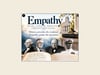




Empathy | High School English Curriculum | Historical Speeches & To Kill a Mockingbird | Grades 9–12
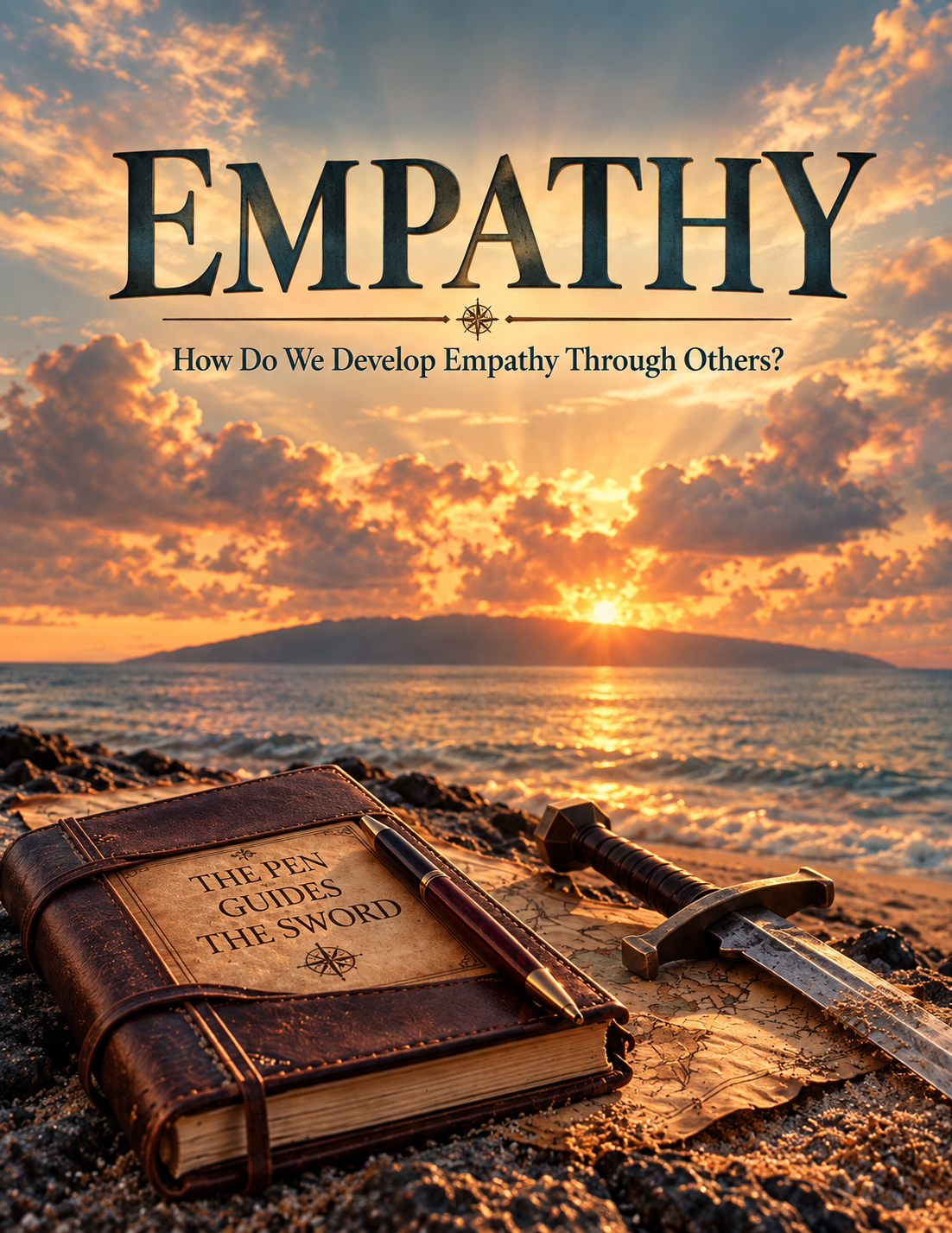
Empathy: How Do We Develop Compassion Through Others?
A 145-Page High School English Curriculum | Grades 9–12
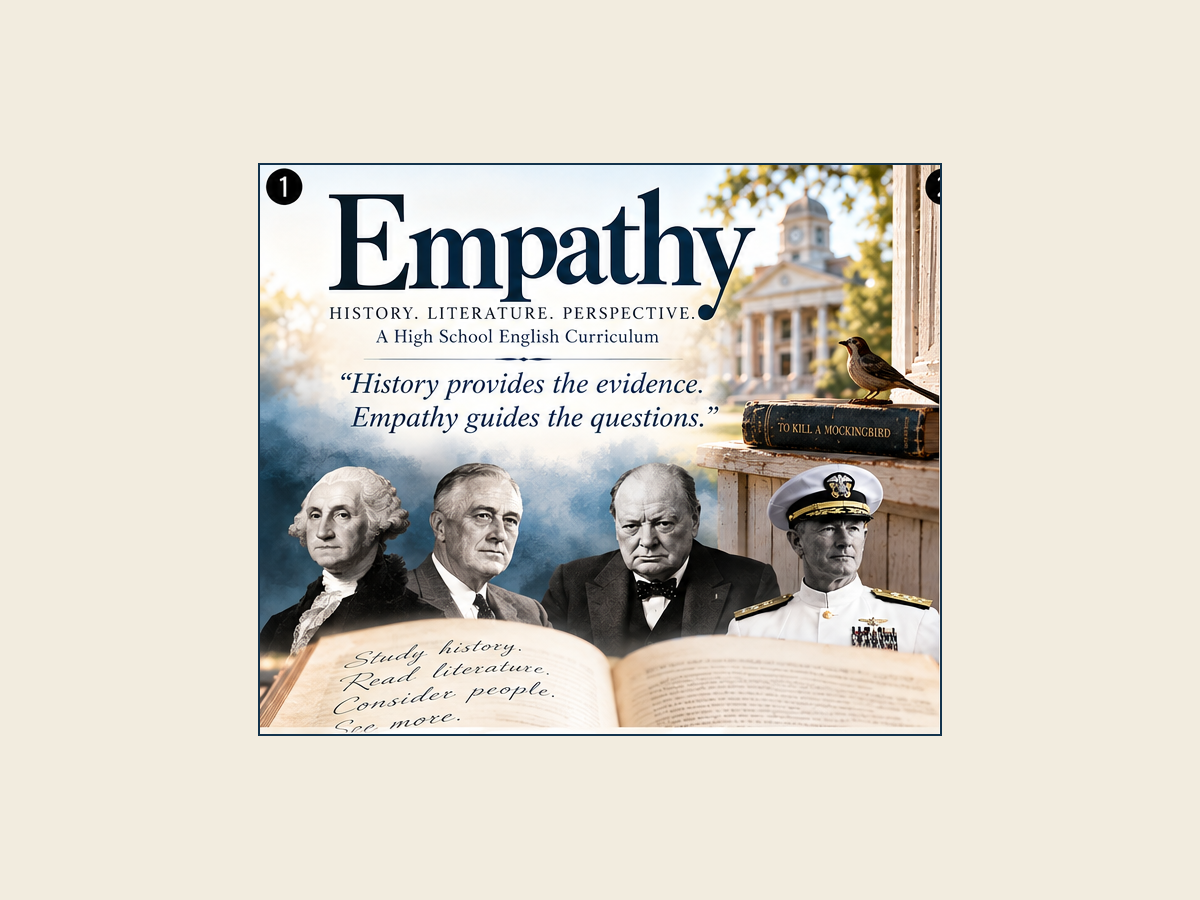
History provides the evidence. Empathy guides the questions.
What does it really mean to understand another person?
Not simply what they said. Not simply what they did. But the circumstances they faced, the experiences that shaped them, and the perspectives we might overlook.
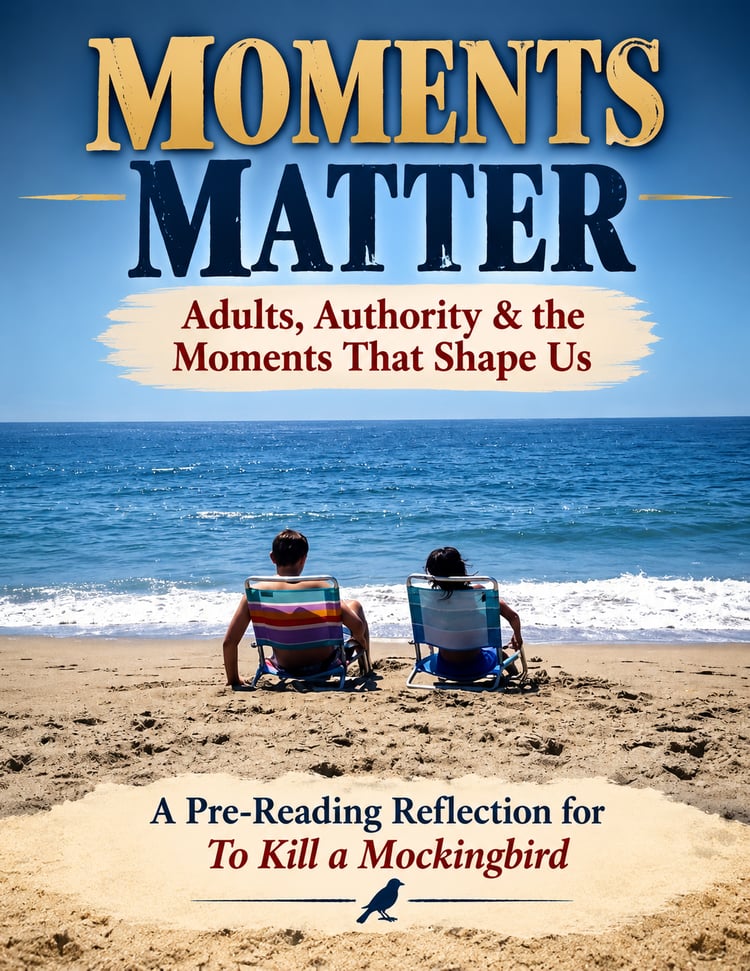
Inspired by Atticus Finch's lesson in To Kill a Mockingbird, this curriculum invites students to look beyond first impressions and examine the person behind the words.
This isn't about giving students more busywork.
Vocabulary, research, essays, and reading comprehension are important tools—but they aren't the destination. The goal is to develop thoughtful, evidence-based perspective-taking while strengthening essential high school English skills.
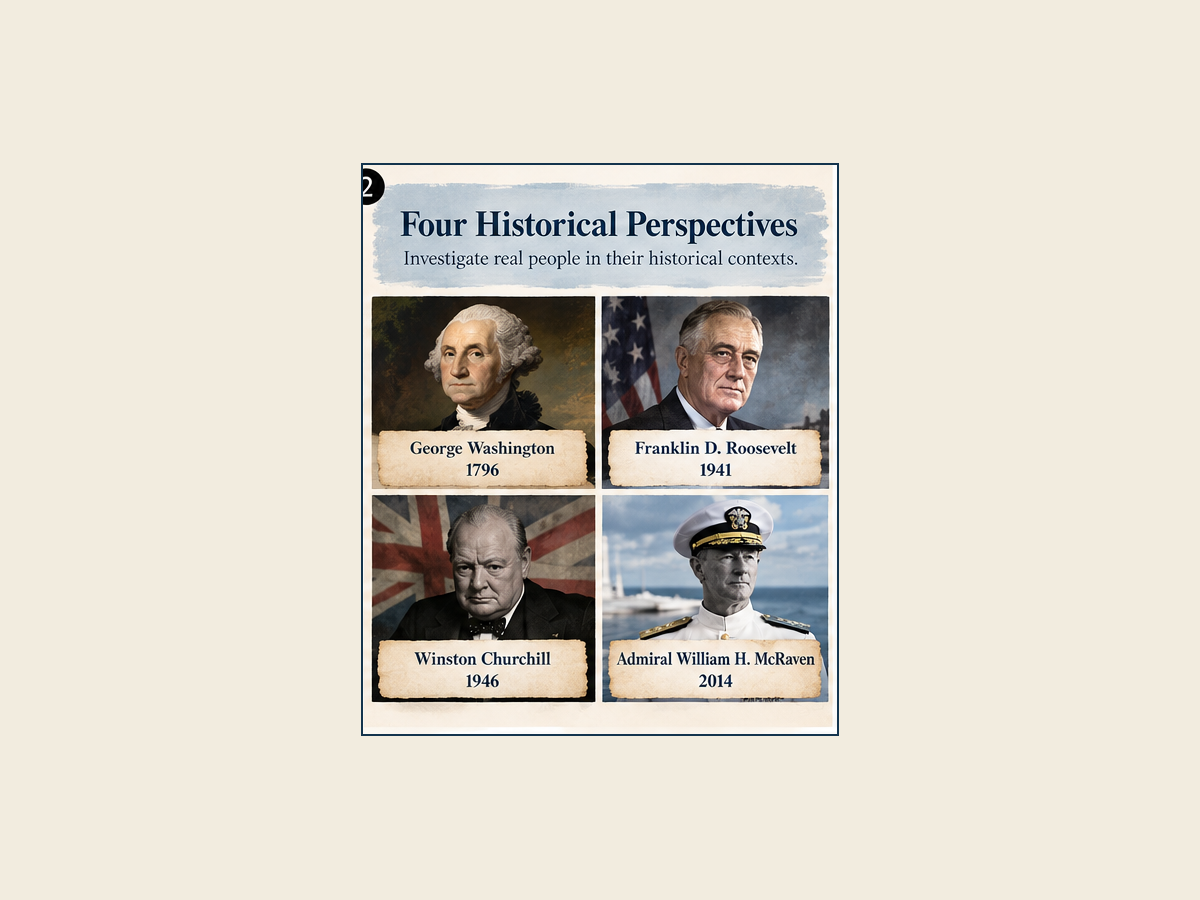
Four Historical Perspectives
Students explore four individuals, each offering a different way to consider another person's circumstances:
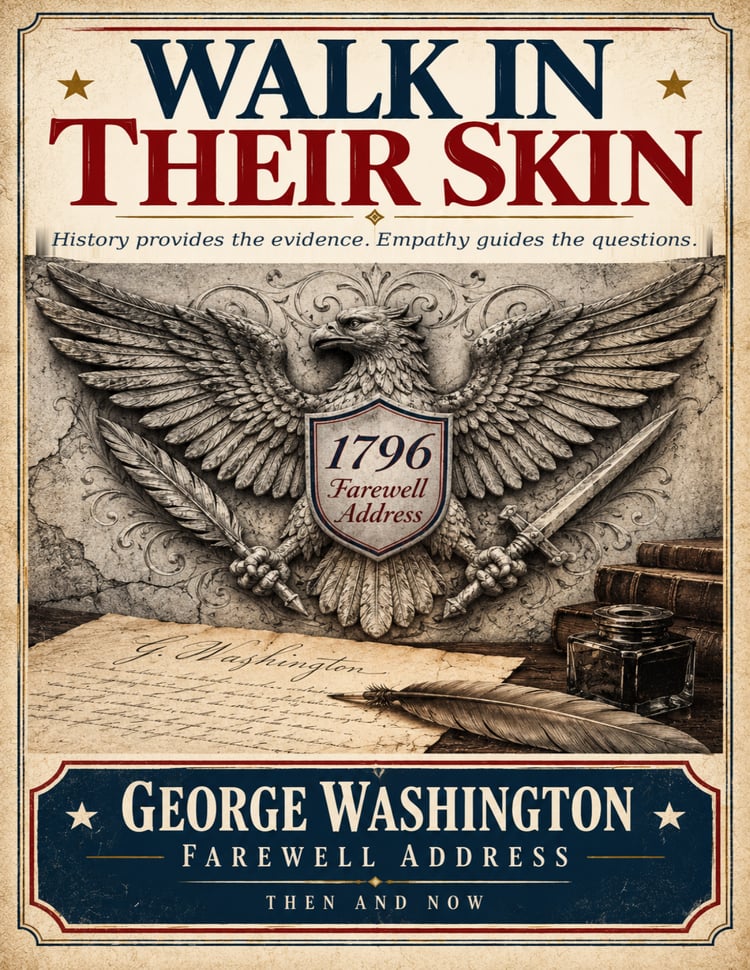
George Washington (1796): Use historical evidence to imagine the circumstances surrounding his Farewell Address, which was published rather than publicly delivered.
Franklin D. Roosevelt (1941): Look beyond public appearances and physical limitations while examining the historical context of his Four Freedoms speech.
Winston Churchill (1946): Consider leadership, political defeat, and changing circumstances surrounding his Sinews of Peace speech.
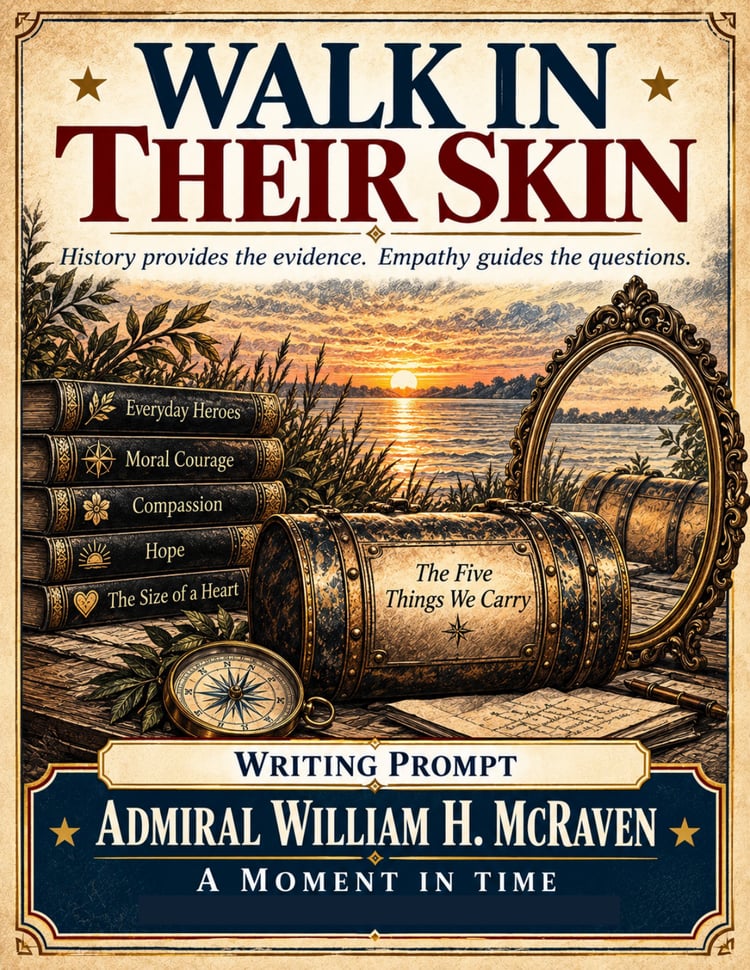
Admiral William H. McRaven (2014): Turn the questions inward to examine personal choices, responsibility, identity, and compassion.
Each historical study includes background information, research and writing guidance, and assessment materials designed to help students work independently.
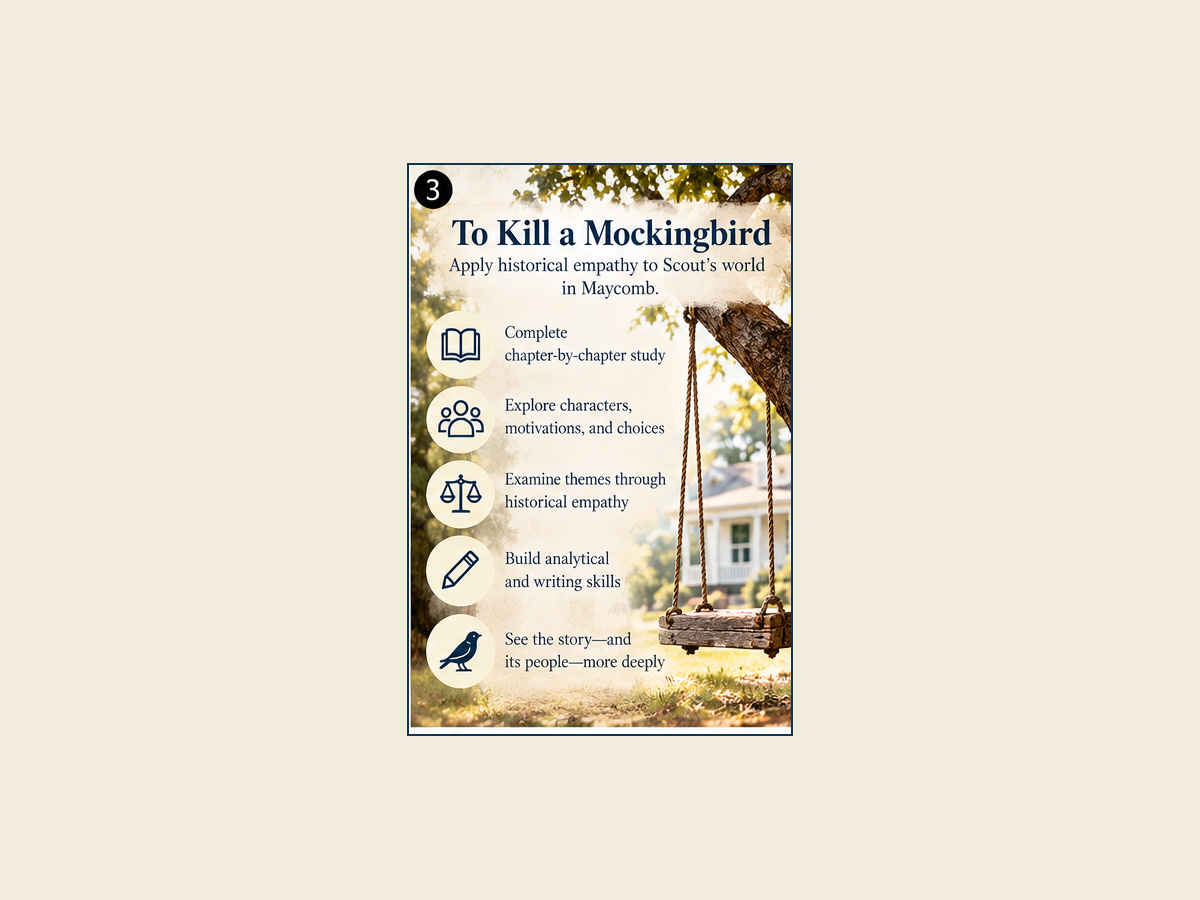
To Kill a Mockingbird: Bringing Empathy Into Literature
After exploring four historical perspectives, students enter Maycomb, Alabama, and apply those skills to Harper Lee's novel.
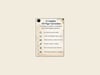
The literature study includes:
Chapter-based reading and reflection activities
Character motivations, choices, and changing perspectives
Analysis of language, diction, and literary themes
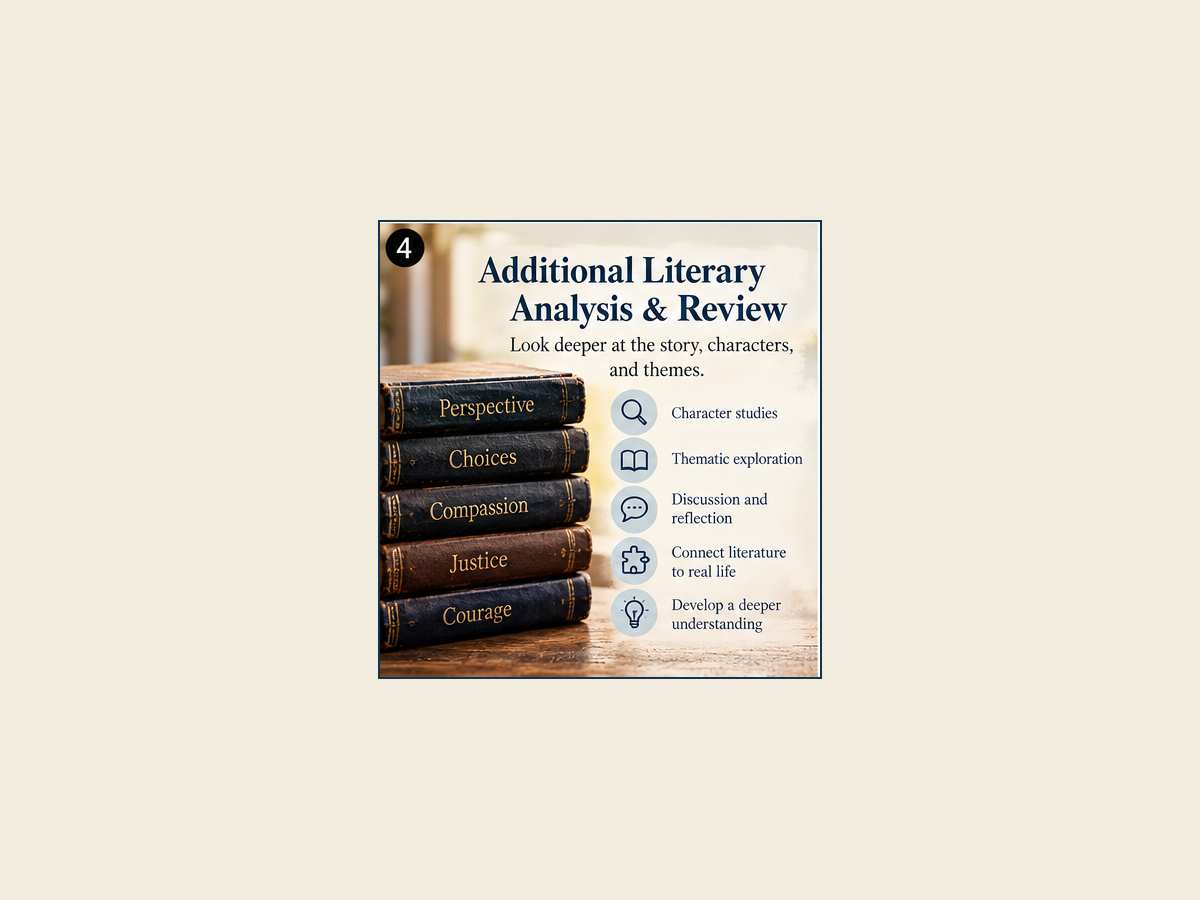
Additional literary analysis and review activities
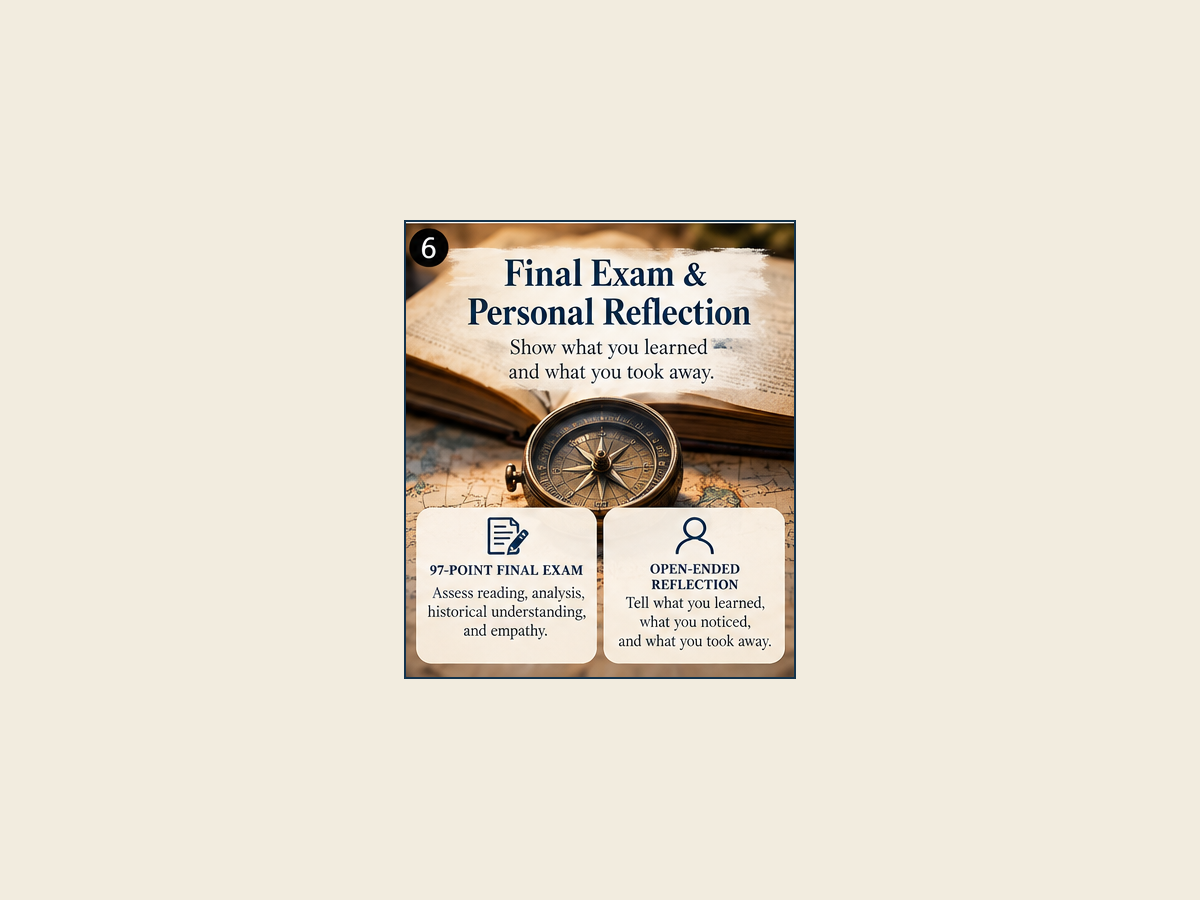
A comprehensive 97-point final exam with teacher answer materials
Students investigate the lives and circumstances of Scout, Atticus, and the people of Maycomb—learning that understanding another person's circumstances does not necessarily mean agreeing with their actions.
The novel is required and is not included in this digital download.
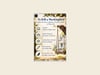
What's Included?
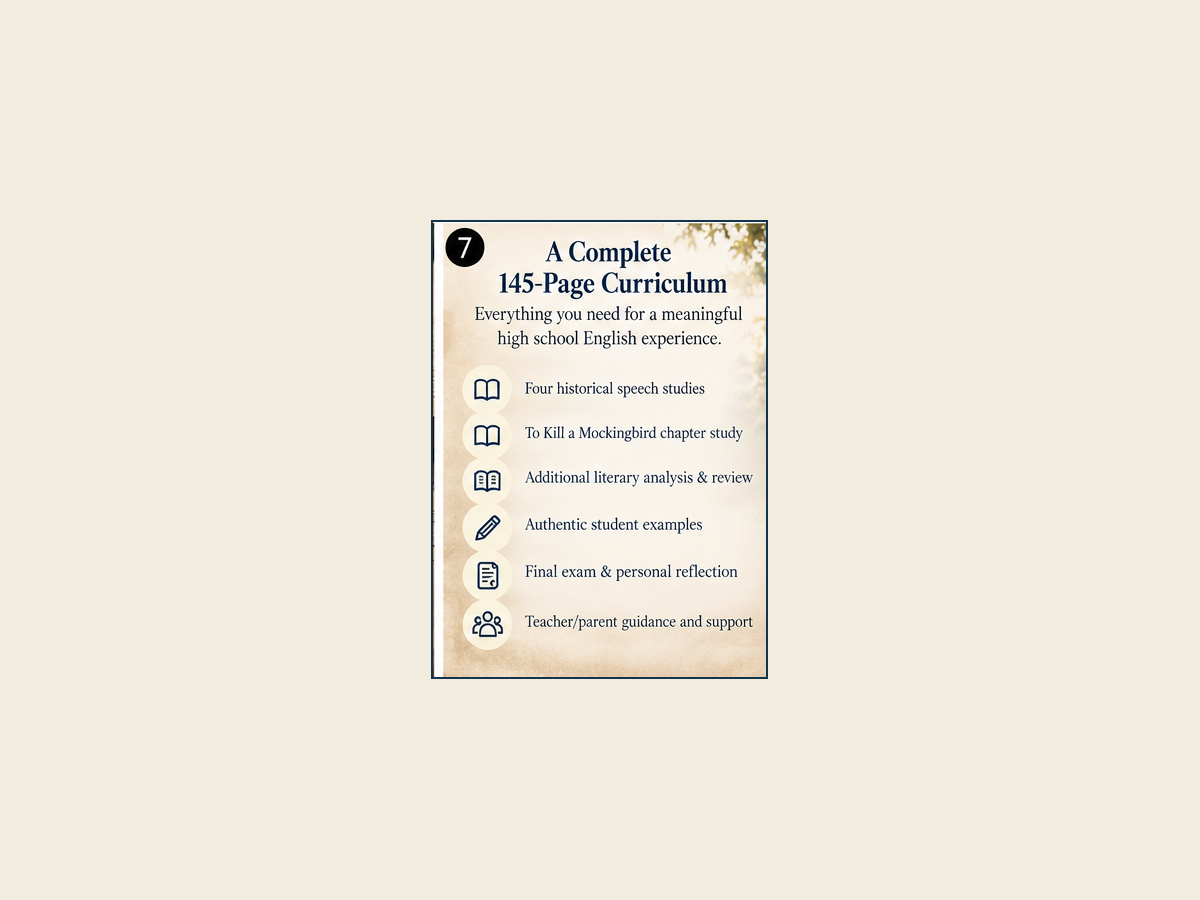
145-page downloadable PDF curriculum
Parent/teacher guidance and student introduction
Four historical writing studies with rubrics
Historical research and listening resources, including QR codes
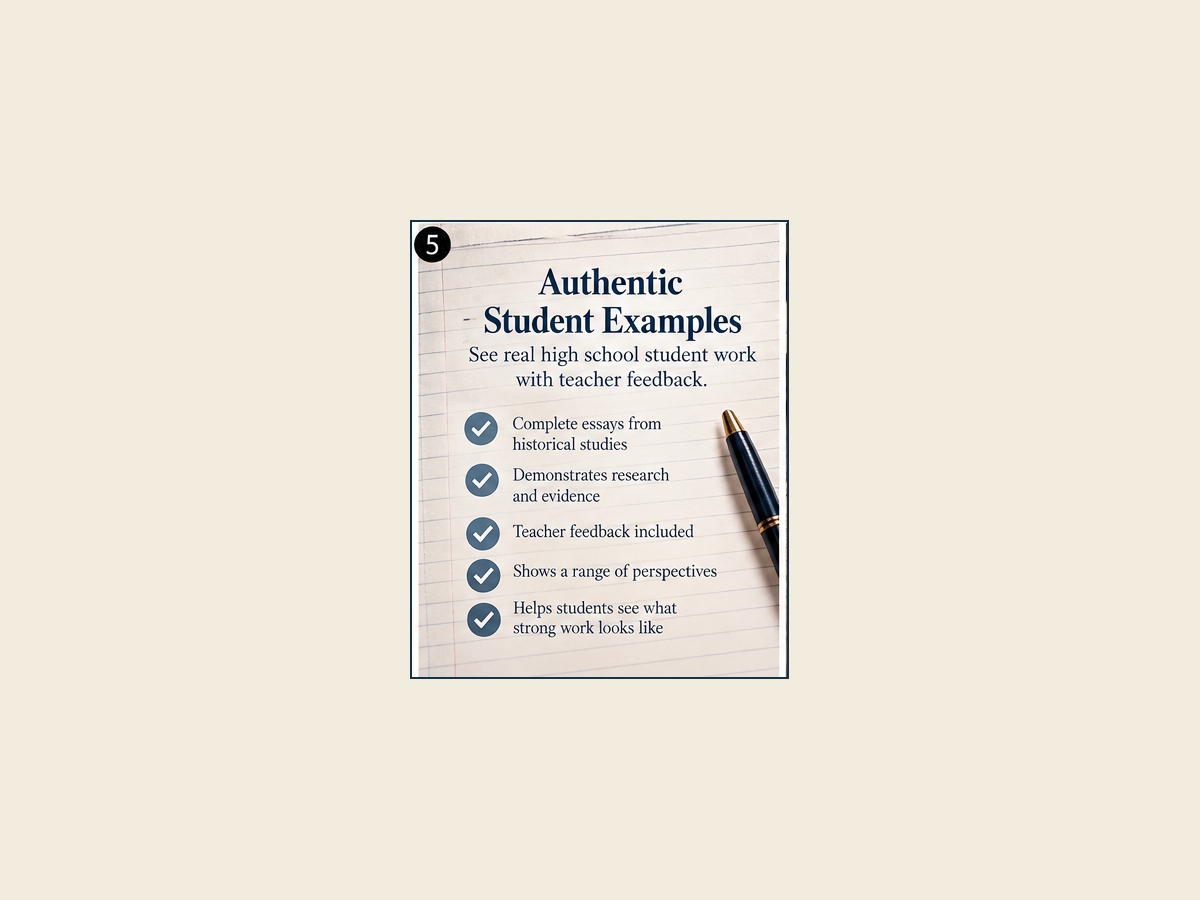
Authentic high school student writing examples
To Kill a Mockingbird literature activities
Additional literary analysis and character studies
Final exam and teacher answer materials
Personal reflection and optional historical photograph activity
More Than an English Assignment
Students are not required to reach the same conclusions, change their beliefs, or agree with the individuals they study.
They are encouraged to investigate, ask questions, recognize the limits of what they can know, and support their interpretations with evidence.
The curriculum closes with a simple, open-ended invitation:
“Tell Me What You Took Away.”
Because meaningful learning isn't measured by whether a student sees what the teacher sees.
We aren't asking students to see what we see in another person. We're teaching them to look closely enough to discover what they can—and to recognize what they cannot know.
Ideal for: Homeschool families, high school English instruction, literature studies, and educators looking for evidence-based writing and perspective-taking activities.
Format: Digital PDF download | Printable | Grades 9–12
Created by Hancock Learning Studio
The pen guides the sword.