
Attachment Styles in The Therapy Room
A Clinical Quick Reference for Therapist
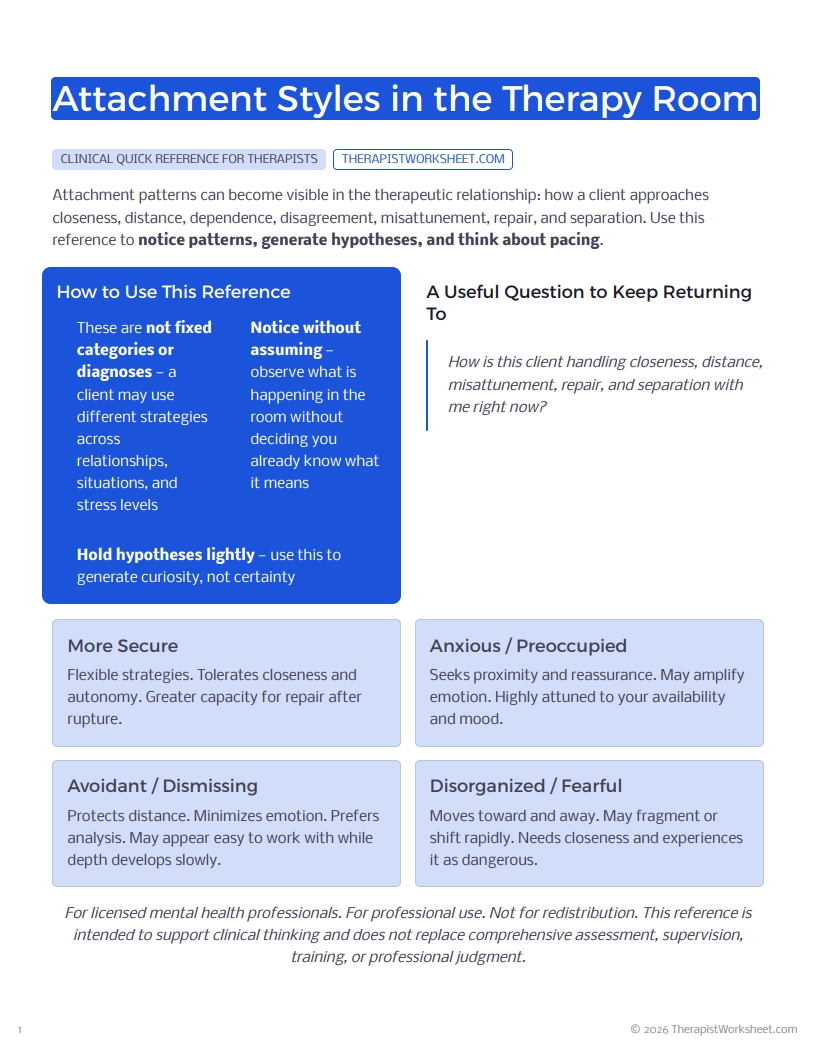
Attachment patterns can become visible in the therapy room: in how clients approach closeness, distance, reassurance, disagreement, rupture, repair, and separation.
This resource is designed to help therapists notice those patterns without turning attachment into a rigid label.
Use it when you are wondering:
- Why does this client become more activated when connection feels uncertain?
- Why does another client pull away as emotional depth increases?
- Why do I feel pulled to reassure, push, rescue, withdraw, or become unusually careful?
- What might help me pace the relationship differently?
- How can I respond without reinforcing the very pattern I am trying to understand?
This is a therapist-facing reference, not a client worksheet.
Inside the Reference
You’ll find practical guidance for:
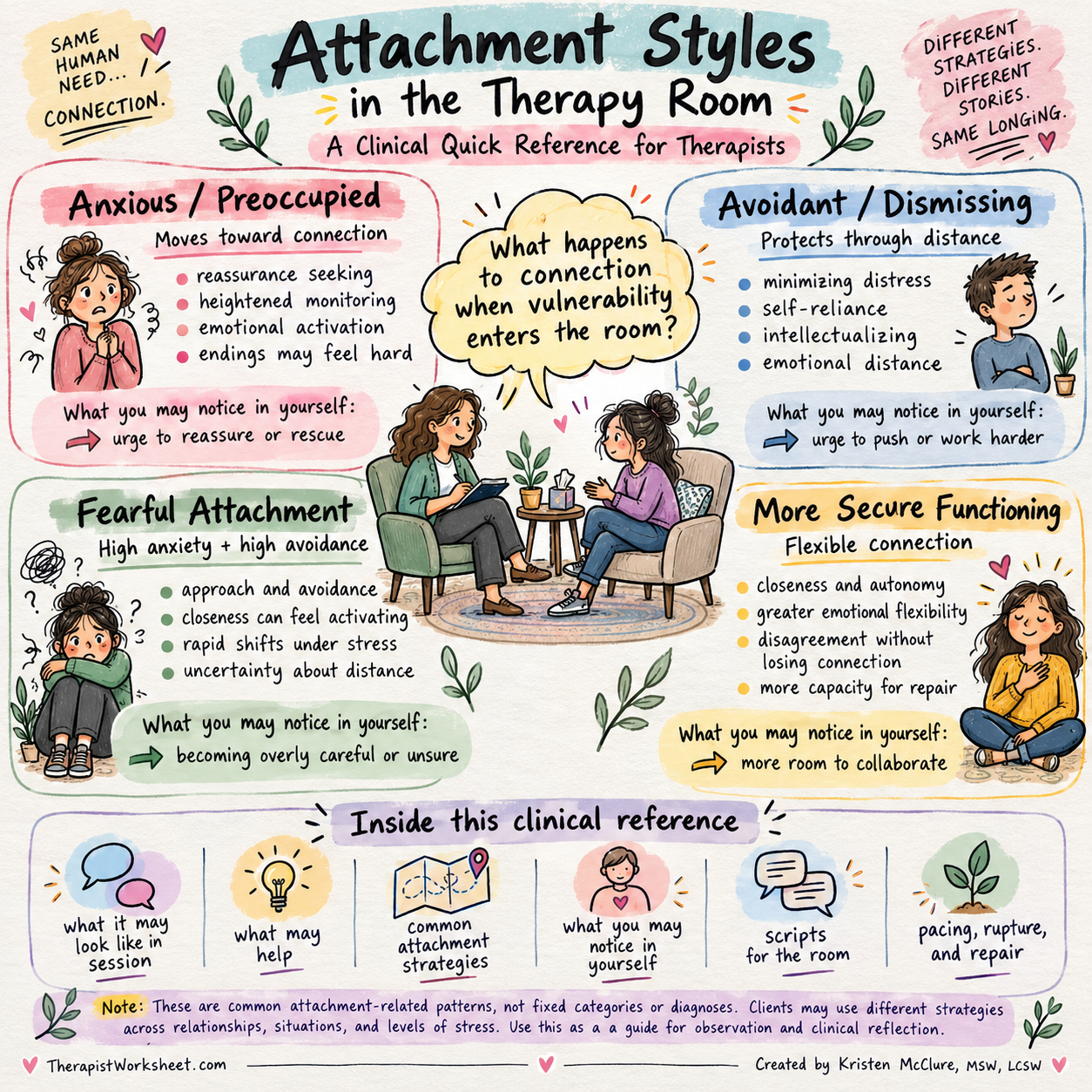
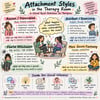
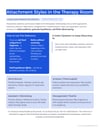
Anxious / Preoccupied patterns
- what you may notice in session
- reassurance-seeking and heightened monitoring
- what may help
- therapist reactions to notice
- useful language for the room
Avoidant / Dismissing patterns
- emotional distancing and self-reliance
- intellectualizing and minimizing
- pacing emotional depth
- therapist reactions to notice
- ways to name what you see without pushing
Fearful attachment / high anxiety + high avoidance
- approach-avoidance patterns
- sensitivity to relational threat
- pacing, safety, and repair
- therapist reactions to notice
- language for slowing the work down
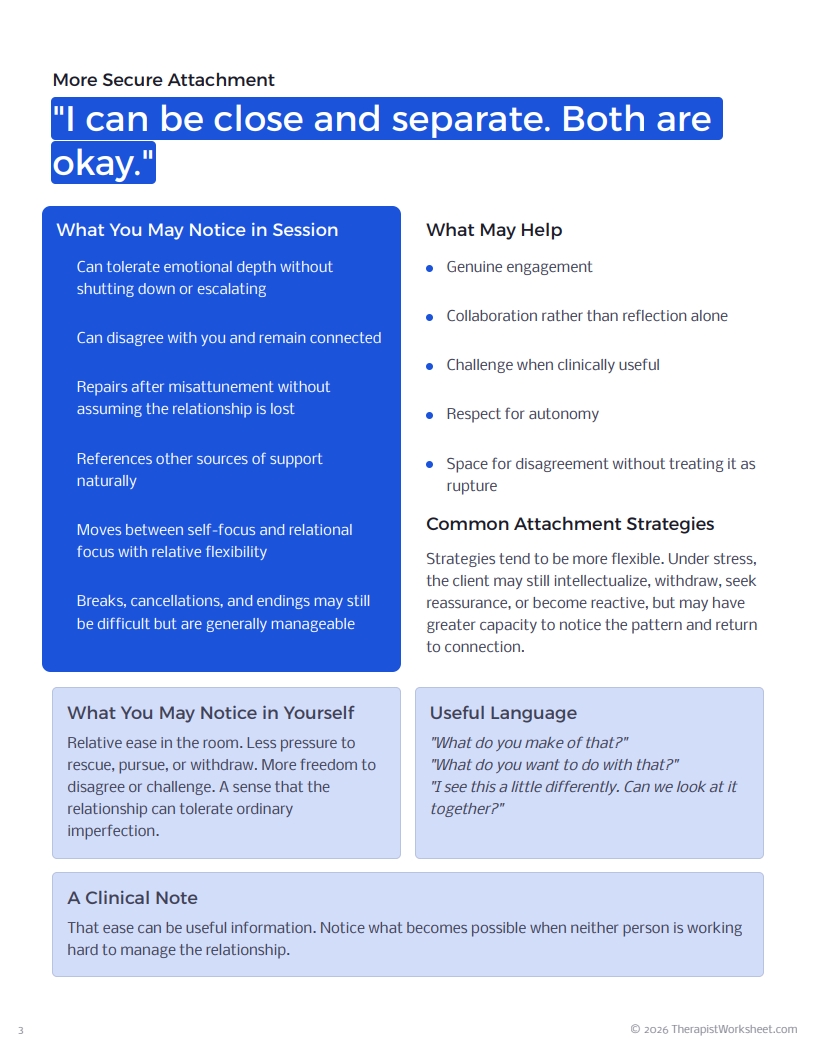
More secure functioning
- greater flexibility with closeness and autonomy
- more capacity for disagreement and repair
- what becomes possible when the relationship feels less fragile
Also Included
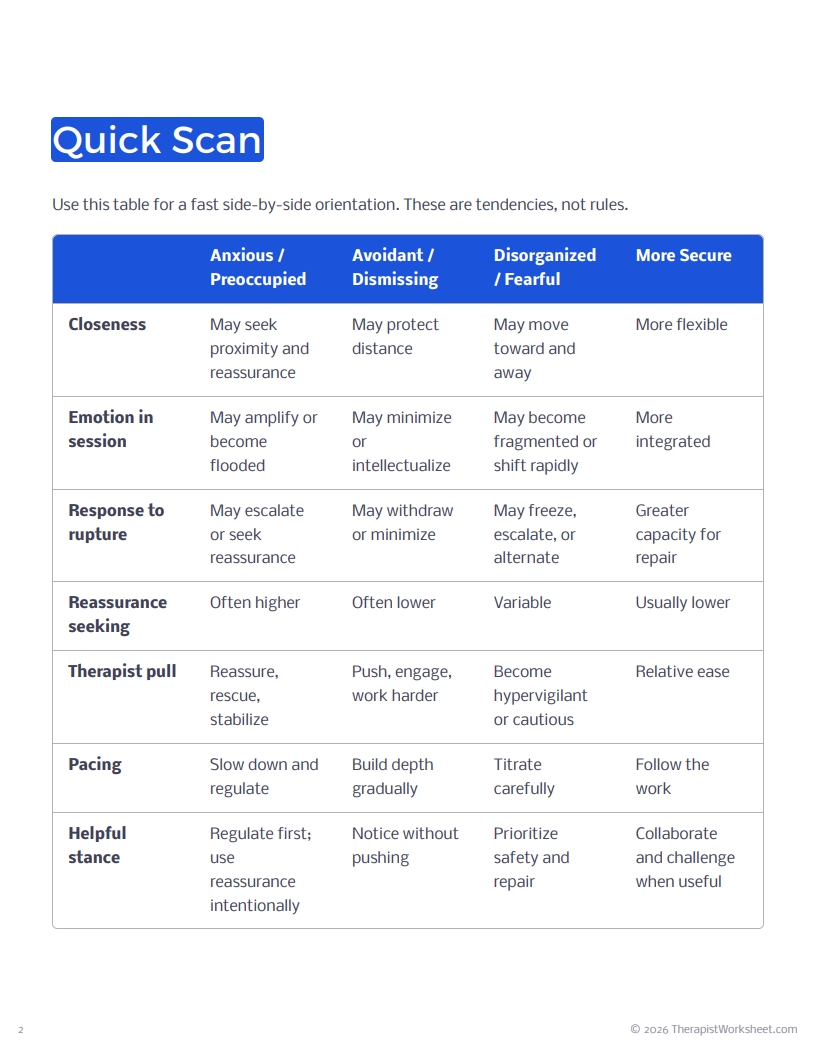
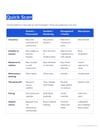
- Quick comparison guide
- Therapist self-check questions
- Pacing cues by attachment pattern
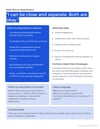
- Clinical scripts you can adapt in session
- “What You May Notice in Yourself” prompts
- Hand-drawn attachment sketchnote for quick visual reference
Format
- 8-page visually designed PDF
- Shorter 4 page pdf
- More attractive, easy-to-scan layout
- Printable reference
- Digital desk reference
Designed for Real Clinical Work
This is meant to be something you can keep nearby during session prep, supervision, or clinical reflection.
The focus is not:
“What attachment style is this client?”
The more useful questions are:
What happens to connection when this client feels vulnerable?
What happens when there is distance, disappointment, or rupture?
What am I noticing in myself as the therapist?
Created by a licensed therapist
For licensed mental health professionals.
Attachment patterns are not fixed categories or diagnoses. Clients may use different strategies across relationships, situations, and levels of stress. This resource is intended to support clinical observation and reflection and does not replace comprehensive assessment, supervision, training, or professional judgment.