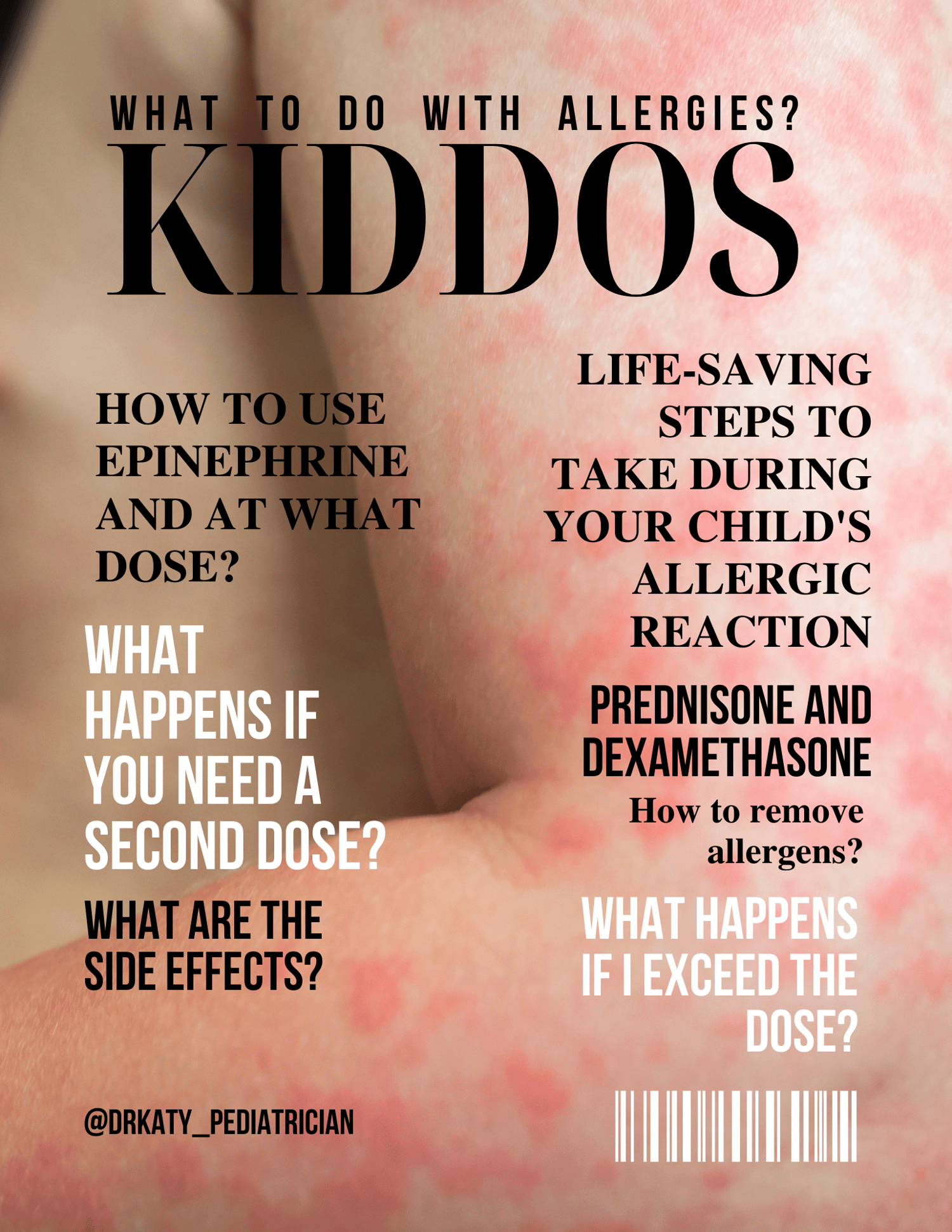
Allergies in children are a growing concern that often goes unnoticed, yet they can significantly impact a child's quality of life. Understanding the various types of allergies and how to manage them is essential for every parent.Understanding Childhood Allergies
Common Types of Allergies:Food Allergies: These include reactions to common allergens such as milk, eggs, peanuts, and shellfish.
Respiratory Allergies: Triggered by environmental factors like dust mites, pollen, and pet dander, these allergies can lead to chronic discomfort.
Insect Stings: Allergies can also arise from stings by bees or wasps, which can be particularly alarming.
Recognizing the symptoms of allergies is crucial. Moderate reactions may present as sneezing, itchy eyes, or nasal congestion. However, severe reactions, known as anaphylaxis, can occur suddenly and may include difficulty breathing, swelling in the throat, or dizziness. It’s vital to be vigilant; if you observe these severe symptoms in your child, immediate medical attention is necessary.When to Seek Help
Emergency Situations:
If your child experiences signs of anaphylaxis—such as difficulty breathing or loss of consciousness—do not hesitate to rush them to the emergency room. Time is of the essence in these situations.Empowering Parents: Knowledge is Key
As a parent, being informed about your child's allergies can make all the difference. Here are some steps you can take:Educate Yourself and Others: Talk openly with your child about their allergies and ensure that caregivers, teachers, and friends understand how to help keep them safe.
Monitor Symptoms: Keep a record of when symptoms occur and what might have triggered them. This information is invaluable for discussions with healthcare providers.
Consult Healthcare Professionals: Regular check-ups with your pediatrician or an allergist can provide insights into managing your child's allergies effectively.
Practical Tips for Managing Allergies
Create an Allergy-Friendly Environment:Use allergen-proof covers on pillows and mattresses.
Wash bedding in hot water weekly to eliminate dust mites.
Maintain indoor humidity below 50% to reduce mold growth.
Be Cautious with Food:Always read labels carefully and communicate any food allergies when dining out.
Introduce new foods gradually and observe for any adverse reactions.
Limit Exposure to Triggers:Keep windows closed during high pollen seasons.
Encourage your child to change clothes and shower after outdoor play to remove allergens.
Stay Prepared:If prescribed, always carry an epinephrine auto-injector (EpiPen) for emergencies.
Educate your child on how and when to use it.
Take Action Today!
By understanding allergies in children and implementing effective management strategies, you can help ensure that your child leads a healthy and fulfilling life. Don’t wait for symptoms to escalate—take proactive steps today! Your child’s well-being depends on it. #ChildhoodAllergies #FoodAllergiesInKids #AnaphylaxisAwareness #HealthyKidsHealthyLiving
You will get a PDF (33MB) file
Share:
Customer Reviews
There are no reviews yet.
You Might Also Like
No products found
By using this website, you agree to our use of cookies. We use cookies to provide necessary site functionality and provide you with a great experience.
Thank you!
Your message has been successfully sent
Thank you!
Your form has been submitted. Please check your email for a copy of your responses. If you're accepted, you'll receive an email with a link to checkout.
Could not add item to cart
Write a Review
After purchase you are sent an email receipt which includes your download page link. Please visit that download page to submit a review for this product.