




Quick Overview of Key AWS Concepts
Quick Overview of Key AWS Concepts
Amazon Web Services (AWS) is a cloud computing platform that provides on-demand IT resources over the internet with pay-as-you-go pricing.
 Core Cloud Concepts
Cloud Computing – On-demand access to computing resources
IaaS / PaaS / SaaS – Infrastructure, Platform, and Software as a Service
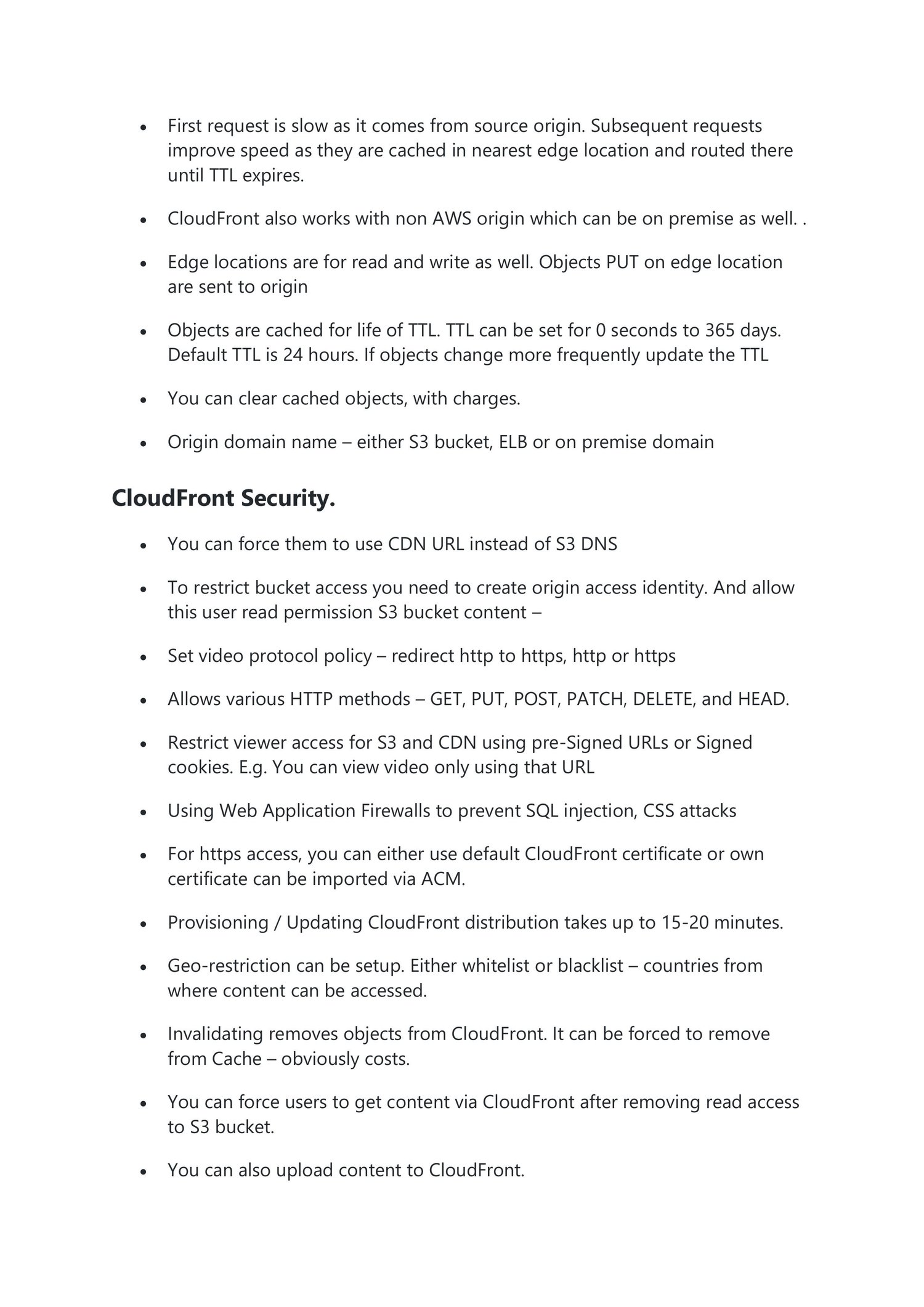
Global Infrastructure – Regions, Availability Zones (AZs), Edge Locations
Compute
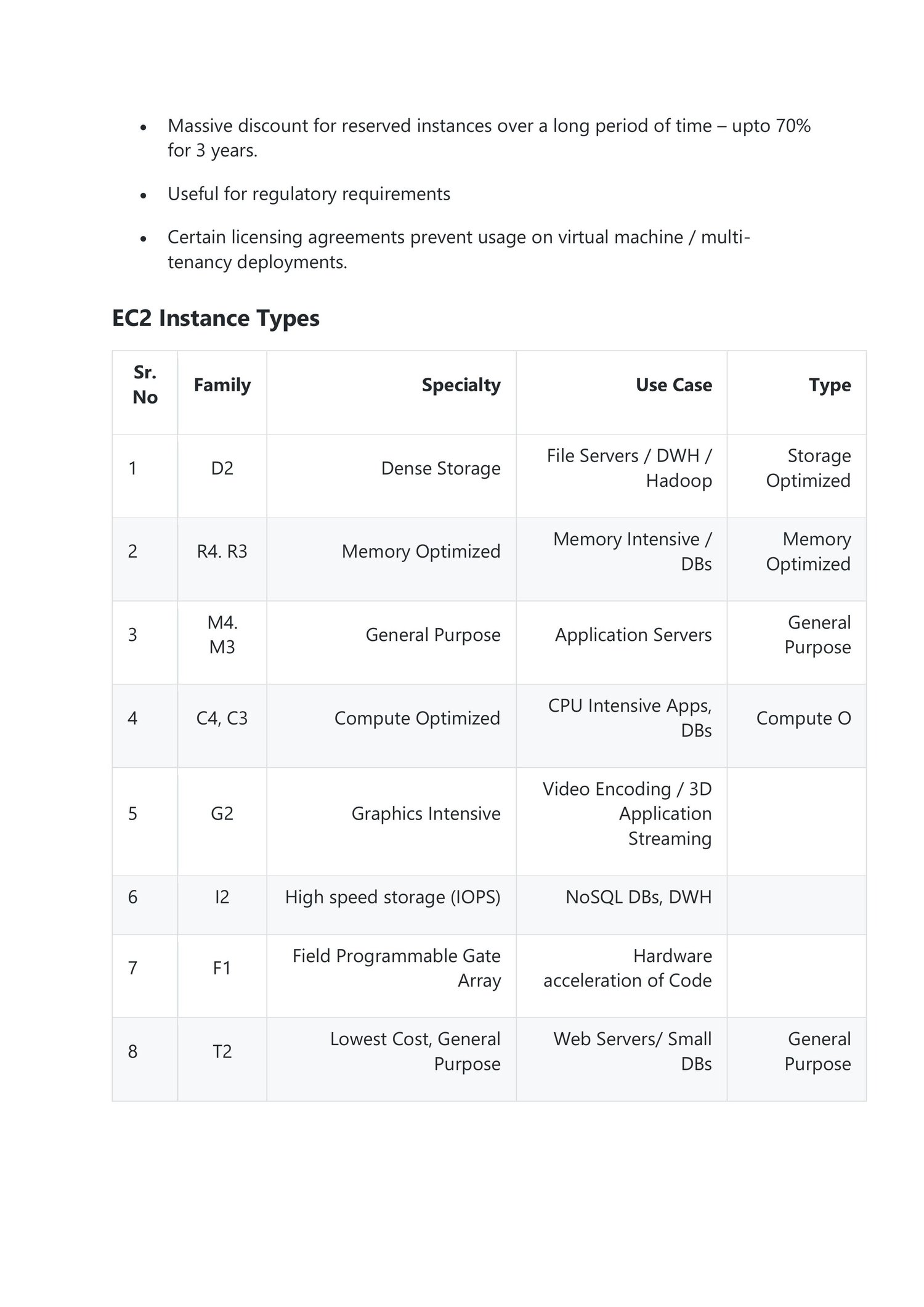
EC2 – Virtual servers in the cloud
Auto Scaling – Automatically adjusts capacity
Elastic Load Balancer (ELB) – Distributes traffic
Storage
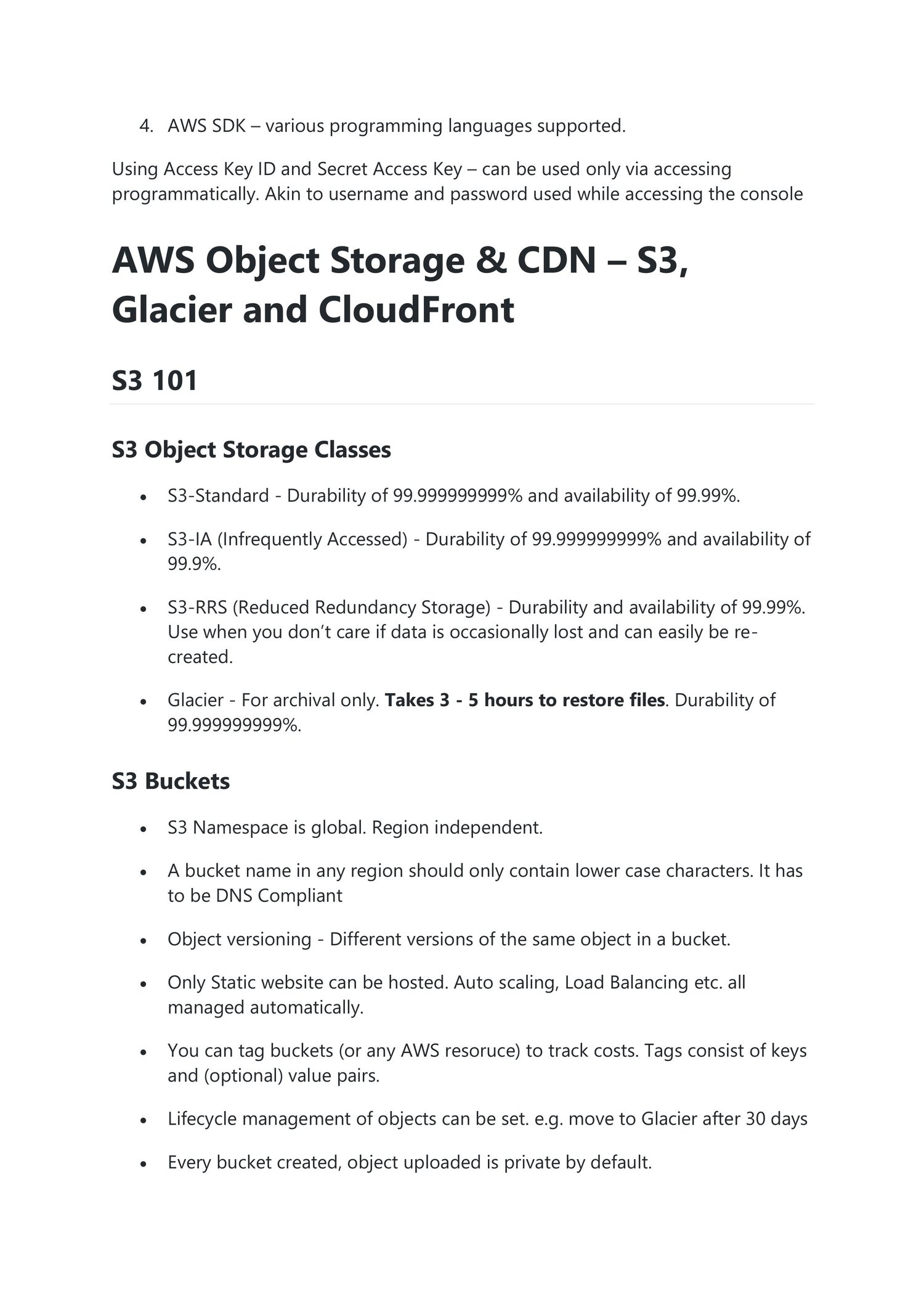
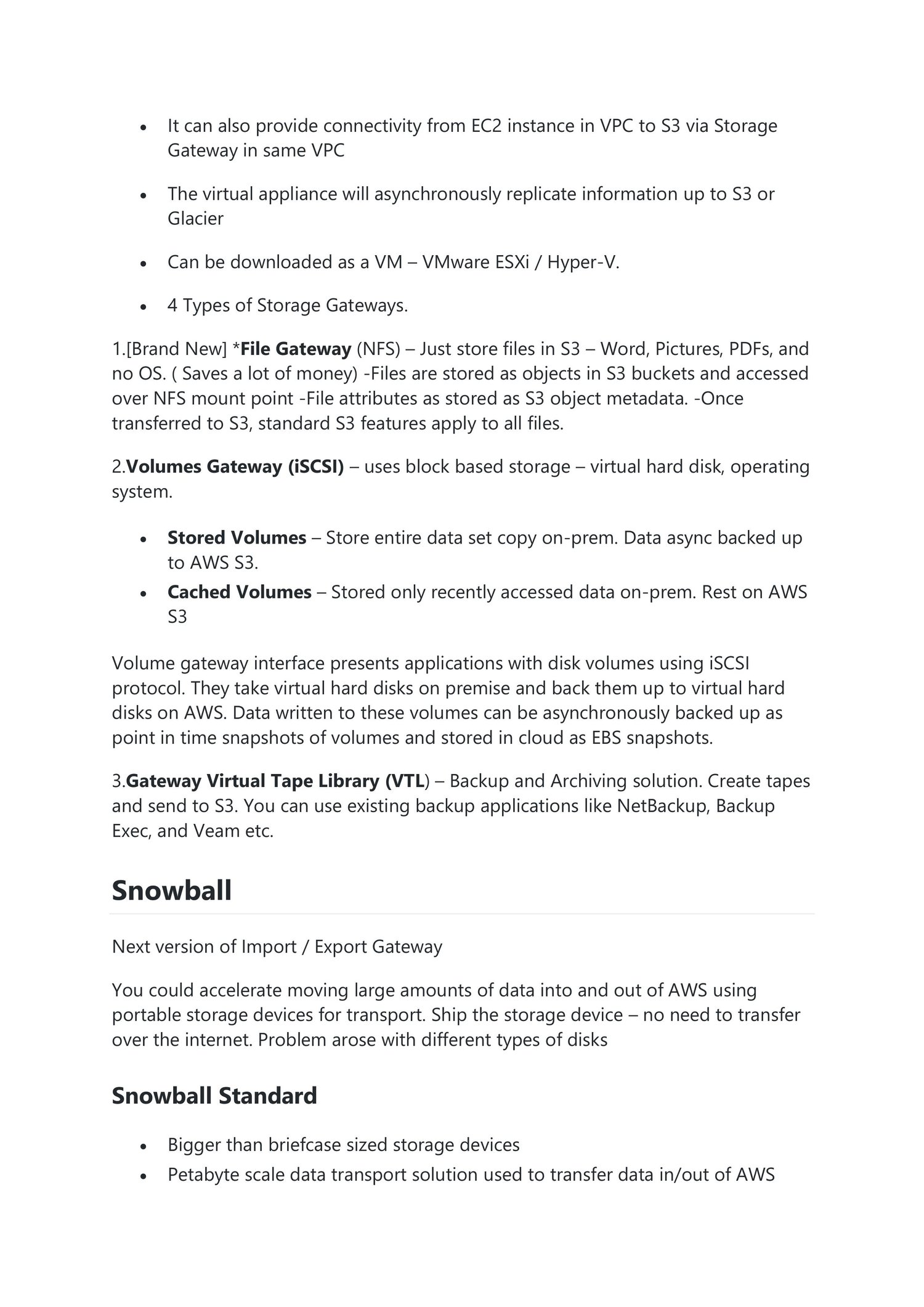
S3 – Object storage for files and backups
EBS – Block storage for EC2
EFS – Managed file system
Databases
RDS – Managed relational databases
DynamoDB – NoSQL key-value database
Aurora – High-performance relational database
Networking
VPC – Virtual private network
Subnets – Public and private networks
Security Groups & NACLs – Traffic control
Route Tables – Traffic routing
Security & Identity
IAM – Users, roles, and permissions
MFA – Multi-Factor Authentication
KMS – Encryption key management
Monitoring & Management
CloudWatch – Metrics and logs
CloudTrail – API activity tracking
AWS Config – Resource compliance
Reliability & DR
High Availability – Multi-AZ deployments
Backup & DR – Snapshots, cross-region replication