
The Psychology Behind Keyword Intent — How Smart Keyword Tool Decodes It
In the world of SEO, not all keywords are created equal. Some attract casual browsers, while others draw in ready-to-buy customers. The difference lies in search intent—the underlying reason behind a user’s query. Understanding this intent is the key to crafting content that truly connects. The Smart Keyword Tool excels in this area, helping users identify not just what people are searching for, but why they’re searching for it.
Search intent typically falls into three categories: informational, navigational, and transactional. Informational queries are about learning—like “how to start a podcast.” Navigational searches aim to find a specific site or brand, such as “Spotify login.” Transactional intent, on the other hand, signals a readiness to act—think “best podcast microphones under $100.” The Smart Keyword Tool helps users distinguish between these types, allowing them to tailor content to match the user's mindset.
For example, if you’re running a fitness blog, you might come across keywords like “benefits of HIIT workouts” (informational) or “Nike HIIT shoes” (transactional). By recognizing the intent behind each phrase, you can decide whether to write a detailed guide, a product review, or a comparison post. This alignment between content and intent increases engagement, improves conversion rates, and boosts your SEO performance.
What makes the Smart Keyword Tool especially powerful is its ability to surface long-tail keywords with clear intent. These phrases often reveal exactly what the user wants. A keyword like “easy vegan dinner recipes for beginners” tells you the user is looking for simple, plant-based meals and likely values convenience. Creating content that directly addresses this need builds trust and encourages repeat visits.
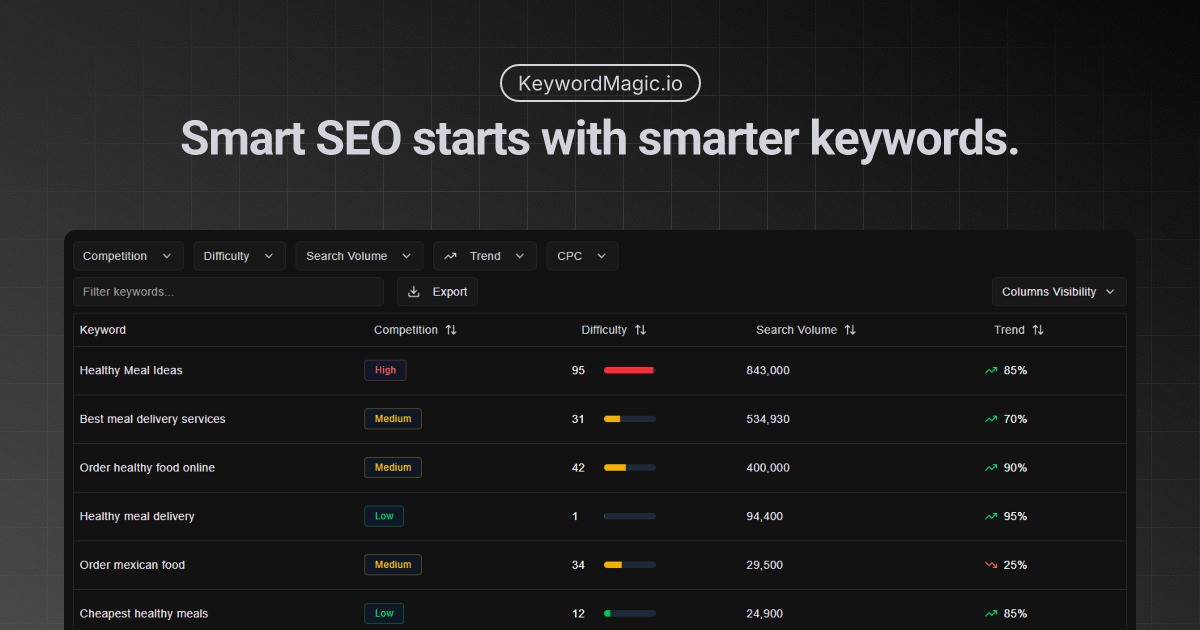
The tool also provides context through metrics like search volume and competition level, helping users prioritize keywords that balance intent with opportunity. High-volume keywords may seem attractive, but if they’re too competitive or vague, they might not deliver results. Smart Keyword Tool helps users find the sweet spot—keywords with strong intent and realistic ranking potential.
Another advantage is how the tool supports content strategy planning. By grouping keywords based on intent, users can map out blog series, landing pages, or product descriptions that guide readers through a journey—from awareness to decision-making. This strategic approach turns casual visitors into loyal followers or paying customers.
Ultimately, decoding search intent is about empathy. It’s about understanding what your audience needs and delivering it in a way that feels natural and helpful. The Smart Keyword Tool doesn’t just throw data at you—it interprets it, making it easier to connect with your audience on a deeper level.