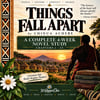
Things Fall Apart Novel Study by Chinua Achebe | 4-Week Literature Unit, Worksheets & Answer Keys | Grades 9–12
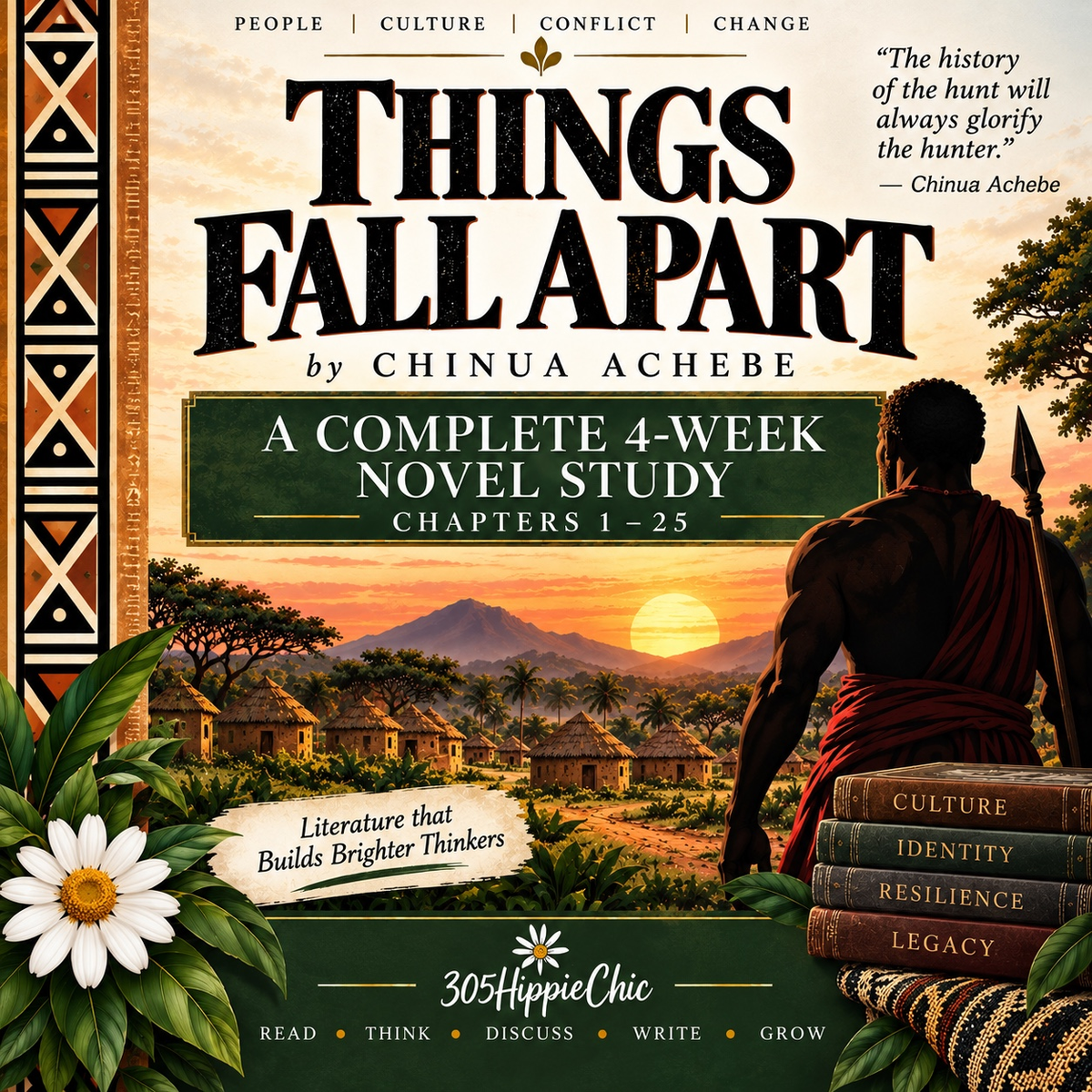
Things Fall Apart by Chinua Achebe | Complete 4-Week Novel Study | High School English Language Arts | Grades 9–12
Teaching Things Fall Apart by Chinua Achebe? Looking for a comprehensive, engaging, and ready-to-use novel study that encourages students to think critically about literature, culture, identity, and the consequences of personal choices?
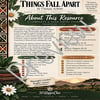
This 59-page, four-week Things Fall Apart novel study provides high school English teachers, homeschool educators, and parents with a structured approach to teaching Chinua Achebe’s influential work of African literature.
Designed for grades 9–12, this comprehensive literature unit covers all 25 chapters of the novel and combines reading comprehension, vocabulary development, character analysis, thematic exploration, critical thinking, and evidence-based writing.
Rather than relying solely on traditional comprehension questions, this resource encourages students to examine the deeper meaning behind Achebe’s storytelling, including the complex relationships between individual identity, cultural traditions, colonialism, family expectations, and social change.
With organized weekly lessons, student worksheets, teacher guidance, and detailed answer keys, this novel study helps educators deliver meaningful literature instruction without spending hours developing materials from scratch.
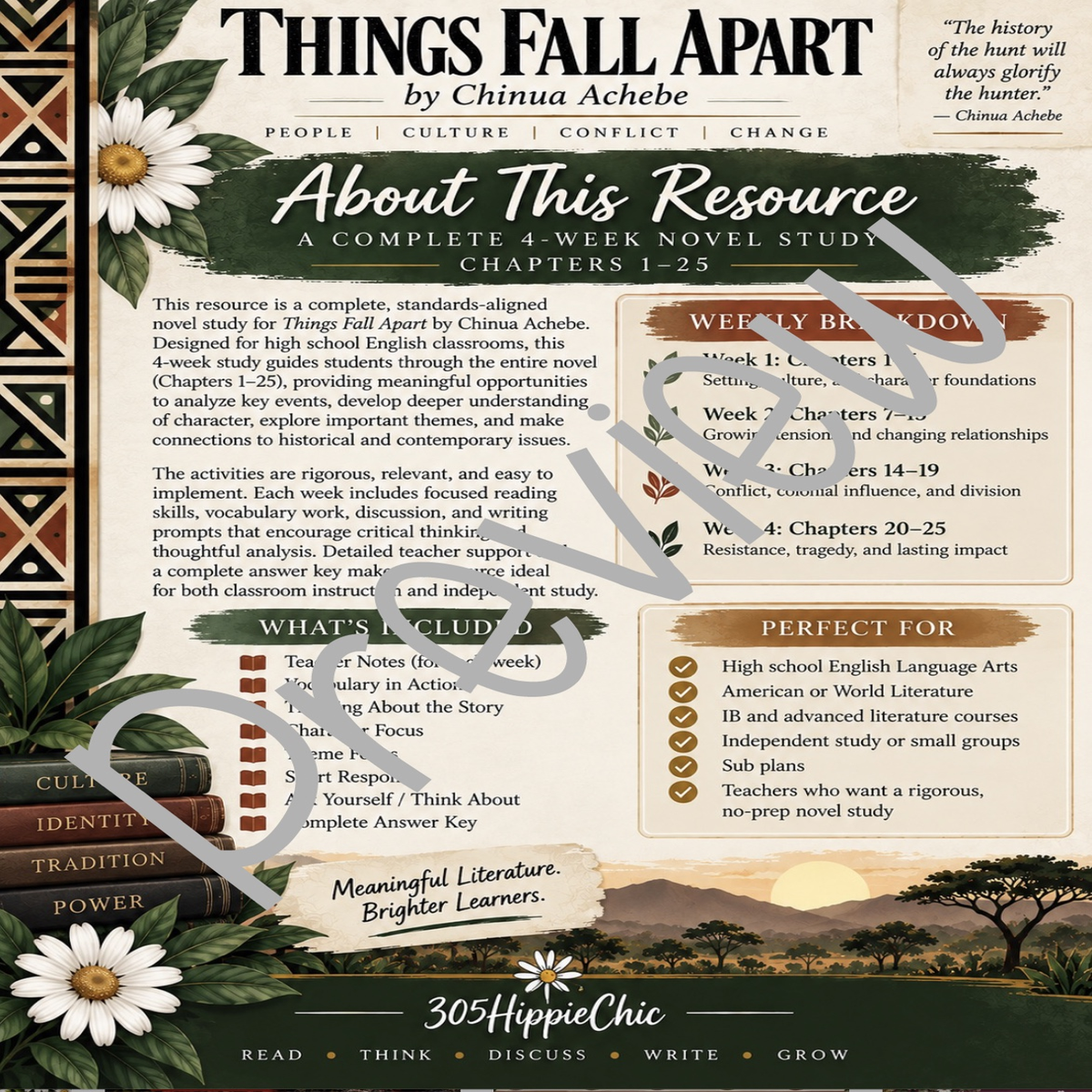
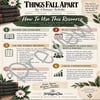
WHAT’S INCLUDED IN THIS 59-PAGE NOVEL STUDY?
Four Weeks of Structured Literature Instruction
The resource is organized into four instructional sections covering the entire novel.
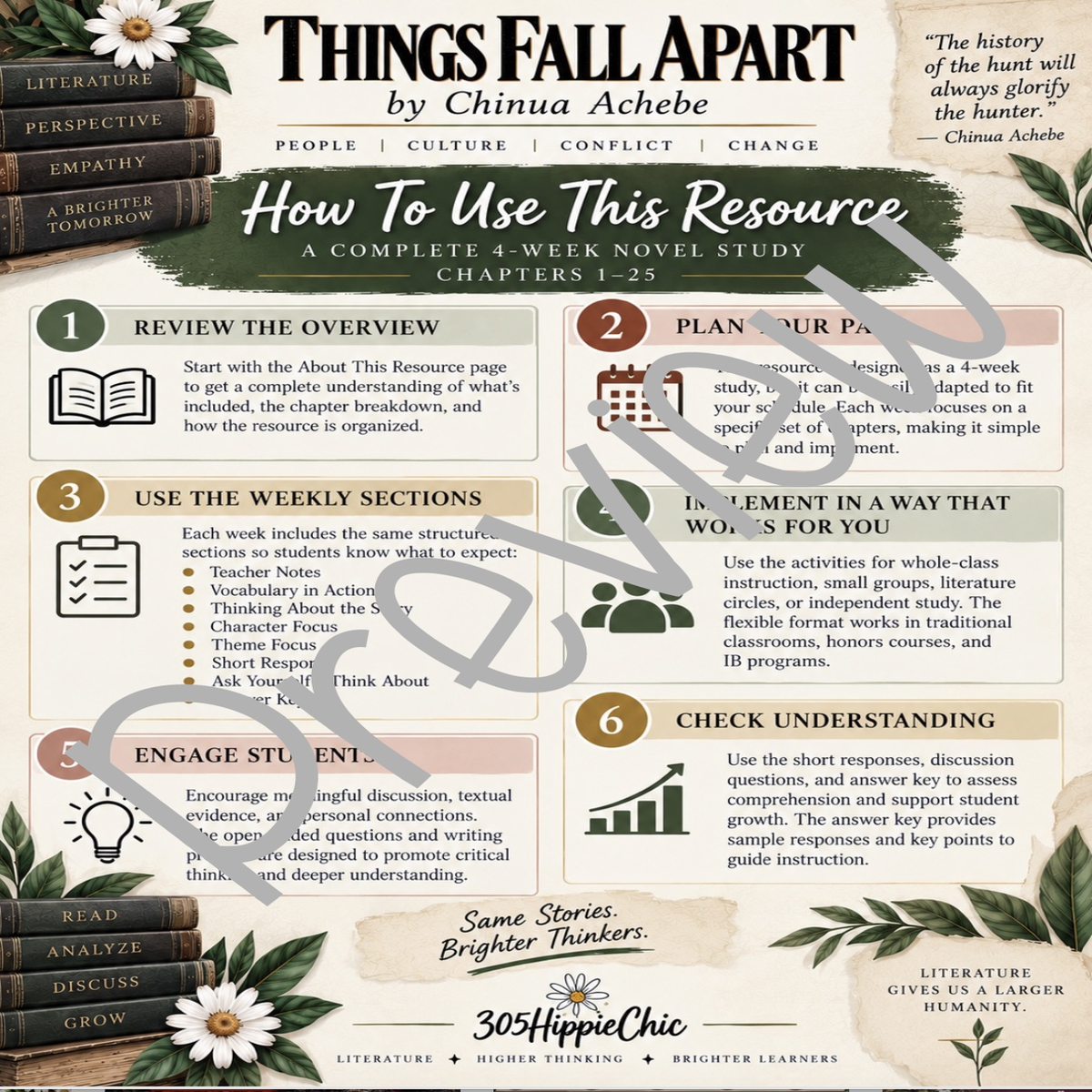
Each week includes:
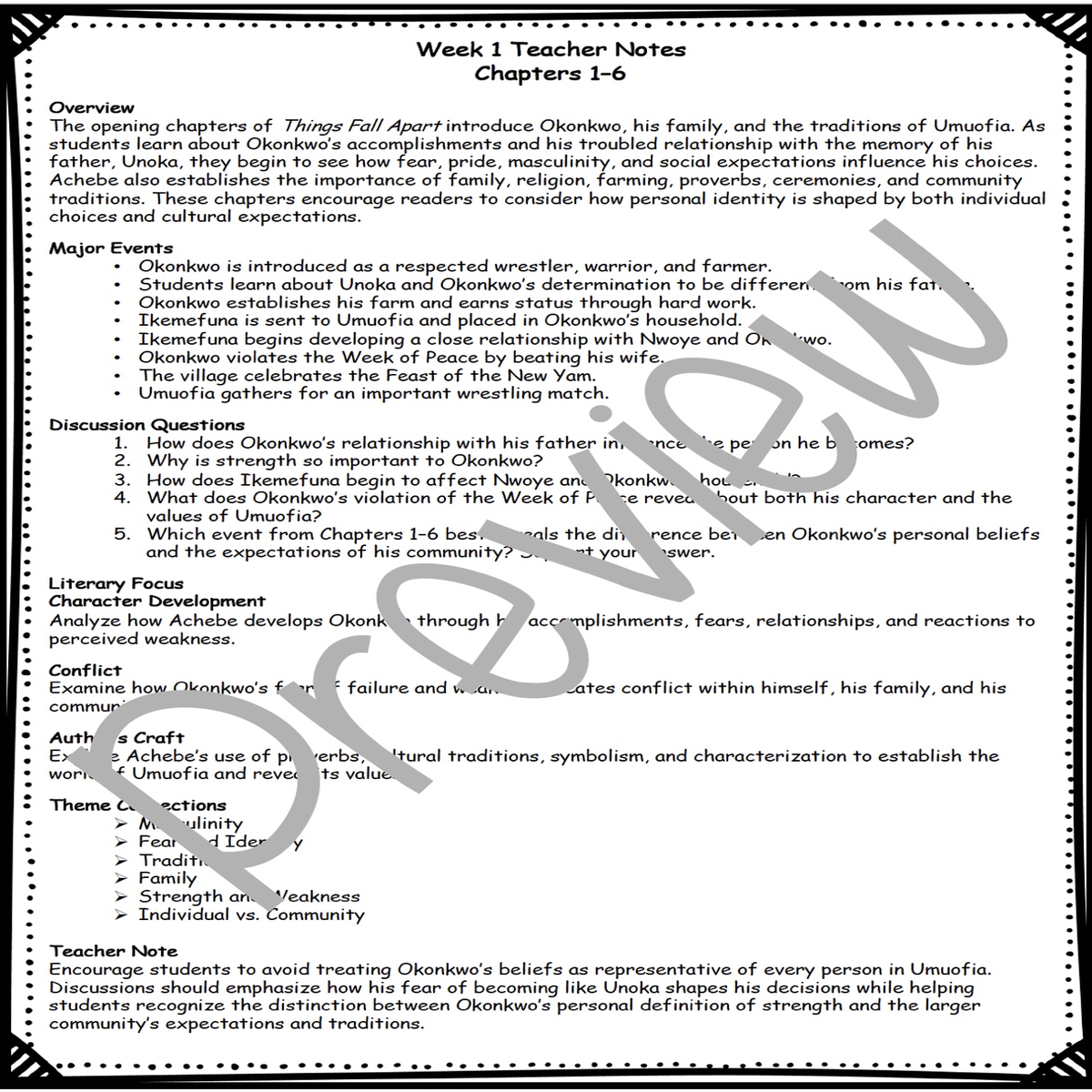
1. Teacher Notes and Instructional Guidance
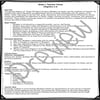
- Detailed teacher notes provide an overview of the assigned chapters, major events, literary concepts, thematic connections, and discussion questions.
- These notes help teachers and homeschool educators guide meaningful conversations about the novel’s characters, conflicts, and historical and cultural context.
2. Vocabulary in Action
- Students examine vocabulary connected to the assigned chapters while developing contextual understanding and analytical thinking.
- Rather than simply memorizing definitions, students use context clues and examples from the novel to explain vocabulary and connect words to characters, events, and cultural traditions.
3. Thinking About the Story
Chapter-based reading comprehension and analytical questions encourage students to:
- Demonstrate understanding of important events and character relationships.
- Examine the motivations behind characters’ decisions.
- Analyze conflicts and their consequences.
- Explore the cultural traditions and social expectations of Umuofia.
- Support written responses with evidence from the novel.
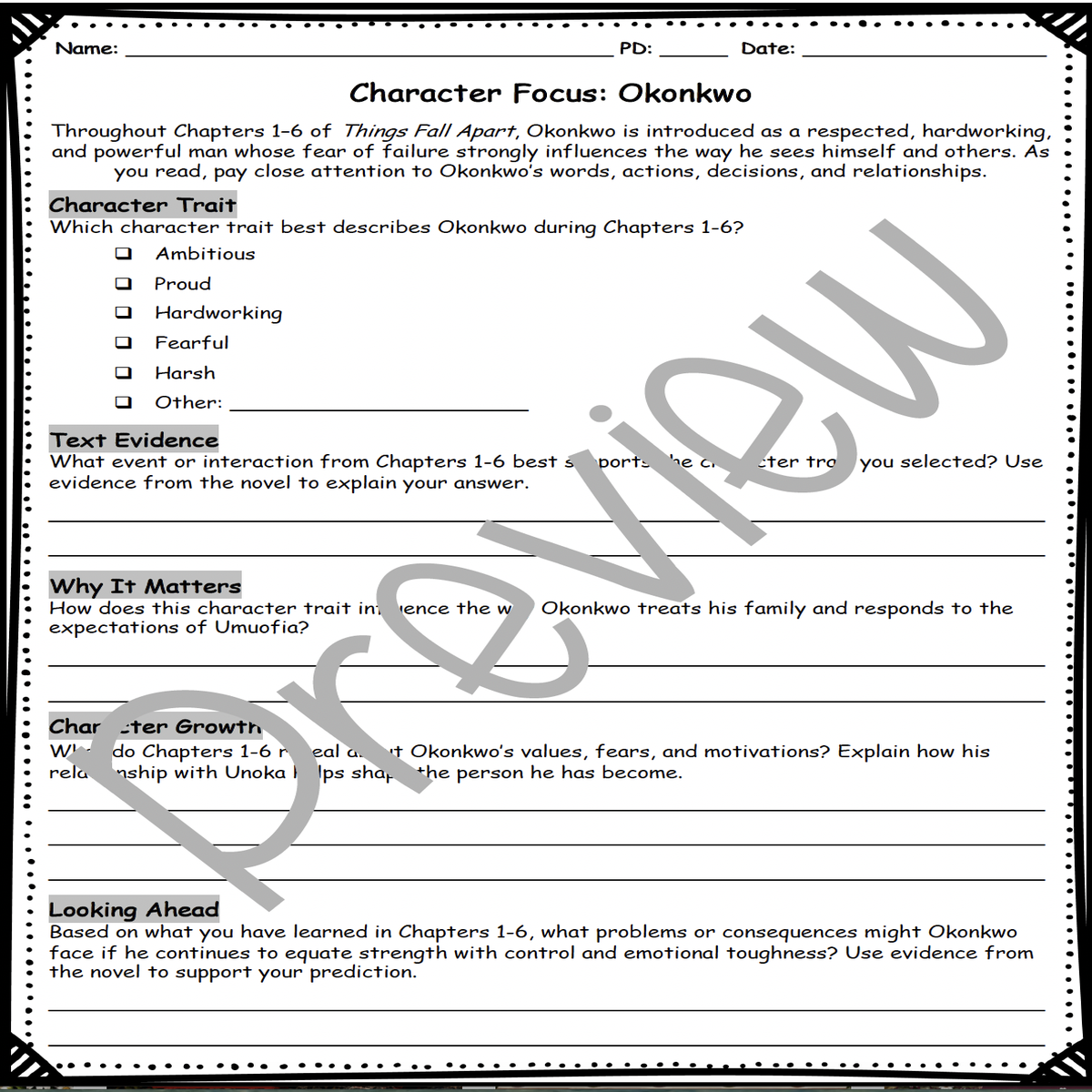
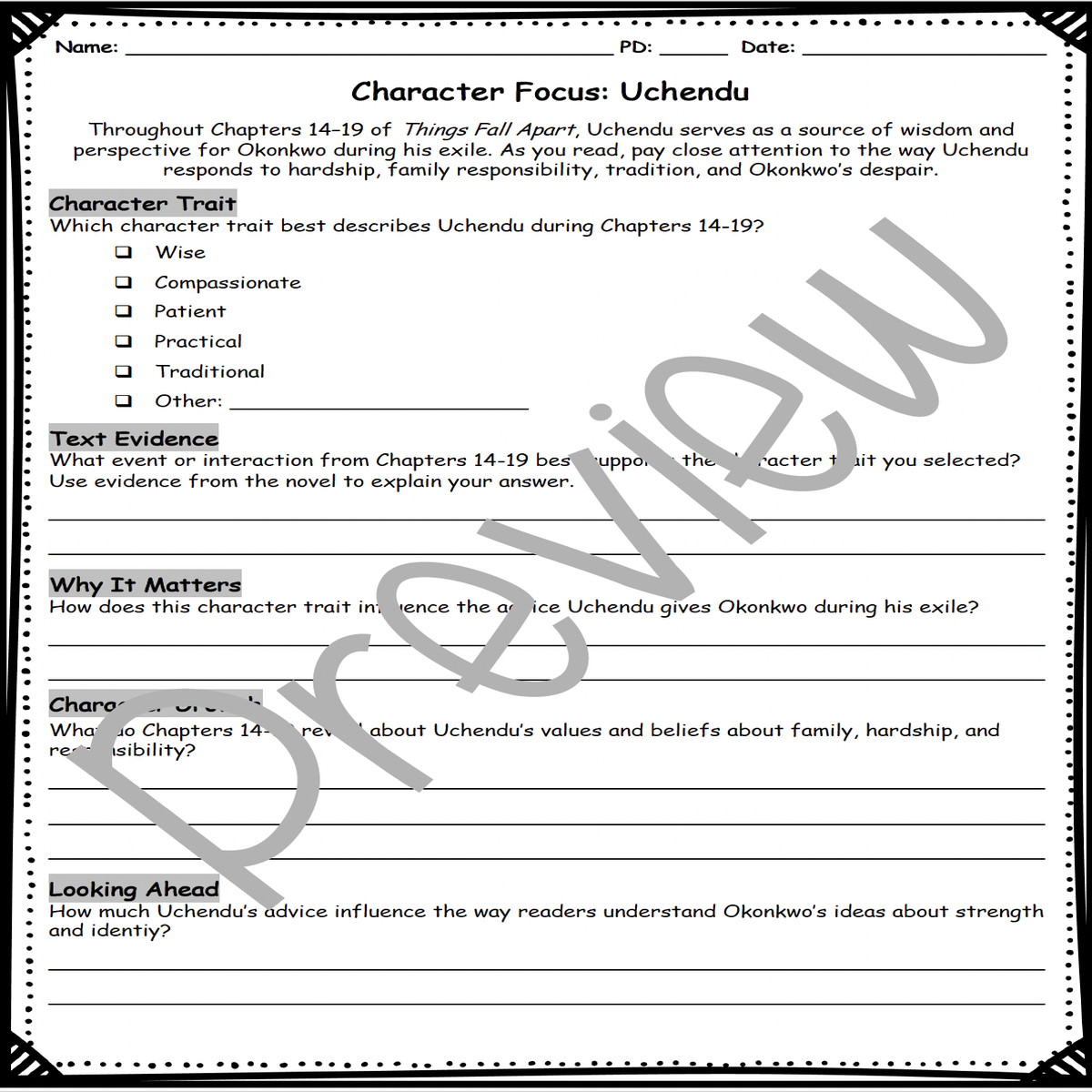
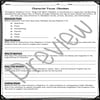
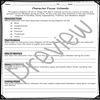
4. Character Focus Activities
- Students examine important characters and their development throughout the novel.
- Activities encourage students to identify character traits, analyze motivations, examine relationships, and explain how personal experiences and cultural expectations influence decisions.
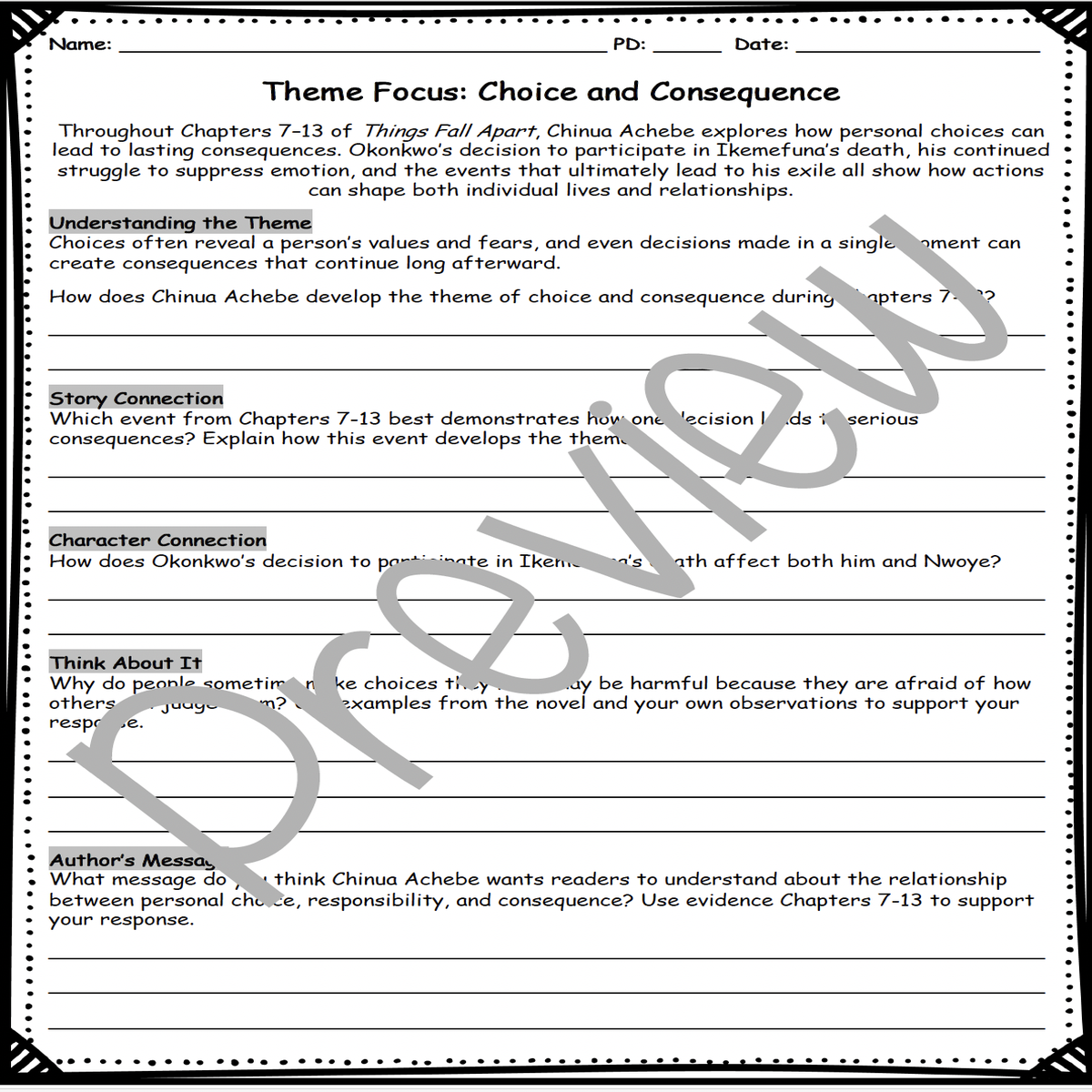
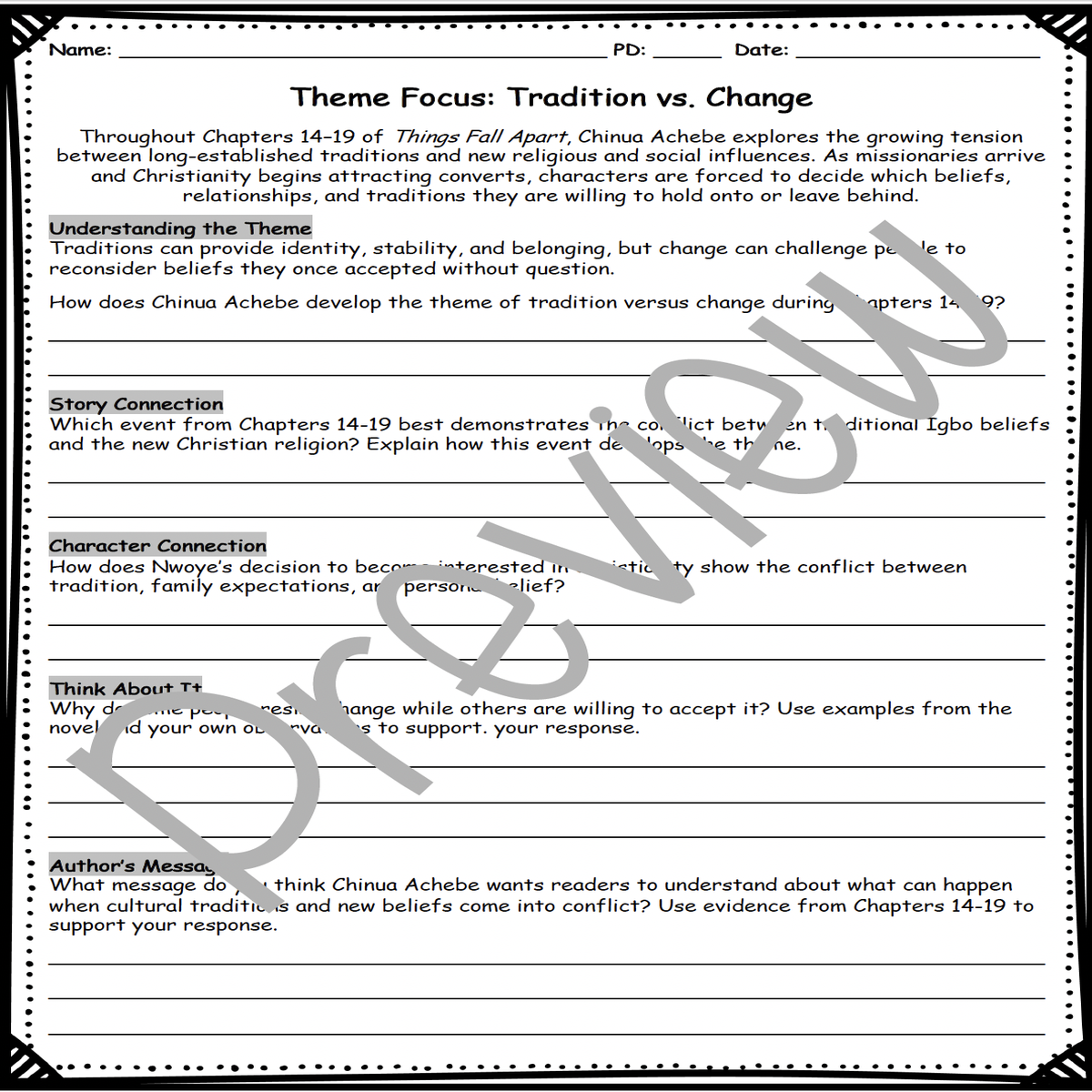
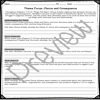
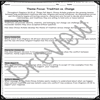
5. Theme Focus Worksheets
- Students explore central themes through guided literary analysis and evidence-based writing.
- Each activity encourages students to connect events, character development, and authorial choices to the novel’s larger messages.
6. Short Response Writing Activities
- Structured literary writing prompts encourage students to develop thoughtful, evidence-based responses.
- Students practice identifying relevant textual evidence, explaining literary themes, analyzing characterization, and communicating interpretations through organized writing.
7. Ask Yourself / Think About Activities
- Reflection questions encourage students to connect Achebe’s themes to broader questions about human behavior, identity, responsibility, culture, and society.
- These activities are particularly useful for classroom discussions, independent reading assignments, homeschool instruction, and literature circles.
8. Detailed Answer Keys
- Teacher answer keys include suggested responses and explanations to support instruction, discussion, grading, and feedback.
Open-ended questions allow students to develop thoughtful interpretations supported by appropriate textual evidence.
FOUR-WEEK CHAPTER BREAKDOWN
WEEK 1: CHAPTERS 1–6 | Setting, Culture, and Character Foundations
- Students are introduced to Okonkwo, his family, and the traditions of Umuofia.
- Instruction focuses on Okonkwo’s accomplishments, his relationship with his father, Unoka, and the fears that influence his understanding of masculinity, strength, and success.
Students examine:
- Okonkwo’s character development and motivations.
- Family relationships and social expectations.
- Igbo traditions, ceremonies, and community values.
- Masculinity, fear, and personal identity.
- The relationship between individual beliefs and cultural expectations.
WEEK 2: CHAPTERS 7–13 | Growing Tensions and Changing Relationships
- Students investigate the increasingly serious consequences of Okonkwo’s decisions and the growing conflicts within his family and community.
- Instruction explores Ikemefuna’s death, Nwoye’s emotional development, and the events leading to Okonkwo’s exile.
Students analyze:
- Personal choices and lasting consequences.
- Character motivation and internal conflict.
- Father-son relationships.
- Cultural traditions and systems of justice.
- The relationship between responsibility, fear, and identity.
WEEK 3: CHAPTERS 14–19 | Conflict, Colonial Influence, and Division
- Students explore Okonkwo’s experiences during exile and the changing cultural and religious landscape.
- Instruction examines the arrival of Christian missionaries, Nwoye’s growing interest in Christianity, and the tensions between traditional Igbo beliefs and new religious influences.
Students investigate:
- Tradition versus change.
- Cultural identity and belonging.
- Religious conflict and social transformation.
- Uchendu’s wisdom and perspective.
- Family relationships and competing beliefs.
WEEK 4: CHAPTERS 20–25 | Resistance, Tragedy, and Lasting Impact
- Students examine Okonkwo’s return to Umuofia and the profound changes that have taken place during his absence.
- Instruction focuses on colonial influence, cultural conflict, resistance, and the novel’s tragic conclusion.
Students explore:
- Okonkwo’s response to a changing society.
- The consequences of colonial intervention.
- Power, authority, and cultural identity.
- Character development and tragic outcomes.
- Achebe’s use of perspective and storytelling.
- The novel’s larger messages about history, culture, and change.
LITERARY SKILLS AND LEARNING OBJECTIVES
This Things Fall Apart literature unit supports essential high school English Language Arts skills, including:
- Reading comprehension and close reading.
- Character analysis and characterization.
- Theme identification and development.
- Literary conflict and character motivation.
- Symbolism, foreshadowing, and irony.
- Author’s craft and narrative perspective.
- Vocabulary acquisition through context clues.
- Textual evidence and literary interpretation.
- Critical thinking and analytical writing.
- Cultural understanding and historical perspective.
- Making connections between literature and society.
COMMON CORE STATE STANDARDS ALIGNMENT
Designed to support grades 9–12 Common Core English Language Arts standards, including:
- CCSS.ELA-LITERACY.RL.9-10.1 — Cite strong and thorough textual evidence to support literary analysis.
- CCSS.ELA-LITERACY.RL.9-10.2 — Determine themes and analyze their development throughout a literary text.
- CCSS.ELA-LITERACY.RL.9-10.3 — Analyze complex characters, their motivations, and their development.
- CCSS.ELA-LITERACY.RL.9-10.4 — Analyze word meanings, figurative language, and the impact of word choices.
- CCSS.ELA-LITERACY.RL.9-10.5 — Analyze how an author’s structural choices contribute to meaning.
- CCSS.ELA-LITERACY.RL.9-10.6 — Analyze point of view and cultural perspective.
- CCSS.ELA-LITERACY.RL.9-10.9 — Analyze how authors draw upon and transform source material.
- CCSS.ELA-LITERACY.RL.9-10.10 — Read and comprehend grade-level literary texts.
PERFECT FOR:
High School English Teachers
Use this complete novel study to support whole-class instruction, independent reading, literature circles, and standards-aligned literary analysis.
Homeschool Teachers and Parents
Provide structured literature instruction with organized chapter assignments, meaningful activities, and answer keys that support independent learning.
World Literature Courses
Explore African literature, cultural identity, colonialism, and the importance of historical and cultural perspectives through Chinua Achebe’s storytelling.
American Literature and Advanced Literature Classes
Incorporate Things Fall Apart into comparative literature studies, thematic discussions, and advanced literary analysis.
Independent Reading and Enrichment
Use the worksheets and writing activities to encourage deeper reading comprehension, thoughtful interpretation, and evidence-based responses.
WHY EDUCATORS WILL APPRECIATE THIS RESOURCE
Teaching a complex novel like Things Fall Apart requires more than checking whether students remember what happened in each chapter.
Students must understand how Achebe develops characters, portrays Igbo society, examines cultural conflict, and challenges readers to consider the relationship between individual choices and historical change.
This novel study provides a consistent instructional structure while encouraging students to move beyond basic comprehension toward deeper literary analysis.
Benefits include:
- Saves valuable lesson-planning and preparation time.
- Covers the entire novel in a manageable four-week format.
- Provides consistent weekly activities and expectations.
- Encourages thoughtful discussion and evidence-based writing.
- Supports independent reading and differentiated instruction.
- Includes teacher guidance and detailed answer keys.
- Works for traditional classrooms and homeschool instruction.
- Provides printable activities that can also be assigned digitally.
PRODUCT DETAILS
Novel: Things Fall Apart
Author: Chinua Achebe
Resource Type: Complete Novel Study / Literature Unit
Grade Levels: 9–12
Subject: English Language Arts / World Literature
Duration: 4 Weeks
Chapter Coverage: Chapters 1–25
Total Pages: 59
Format: Digital PDF Download
Includes: Teacher Notes, Vocabulary Activities, Reading Comprehension, Character Analysis, Theme Analysis, Writing Prompts, Reflection Activities, and Answer Keys
Please Note: This purchase includes the educational novel study resource. A copy of Things Fall Apart by Chinua Achebe is not included.
MAKE LITERATURE MEANINGFUL
Help students discover how literature can deepen their understanding of identity, culture, history, and the human experience.
With this comprehensive Things Fall Apart novel study, educators can spend less time preparing materials and more time facilitating meaningful conversations, developing critical thinkers, and helping students connect literature to the world around them.
Add this ready-to-use, four-week Things Fall Apart novel study to your teaching resources today!
Created by 305HippieChic — Education Inspires Change.