

Artificial Intelligence for Differentiated Instruction and Learner Support Plans-Research Paper
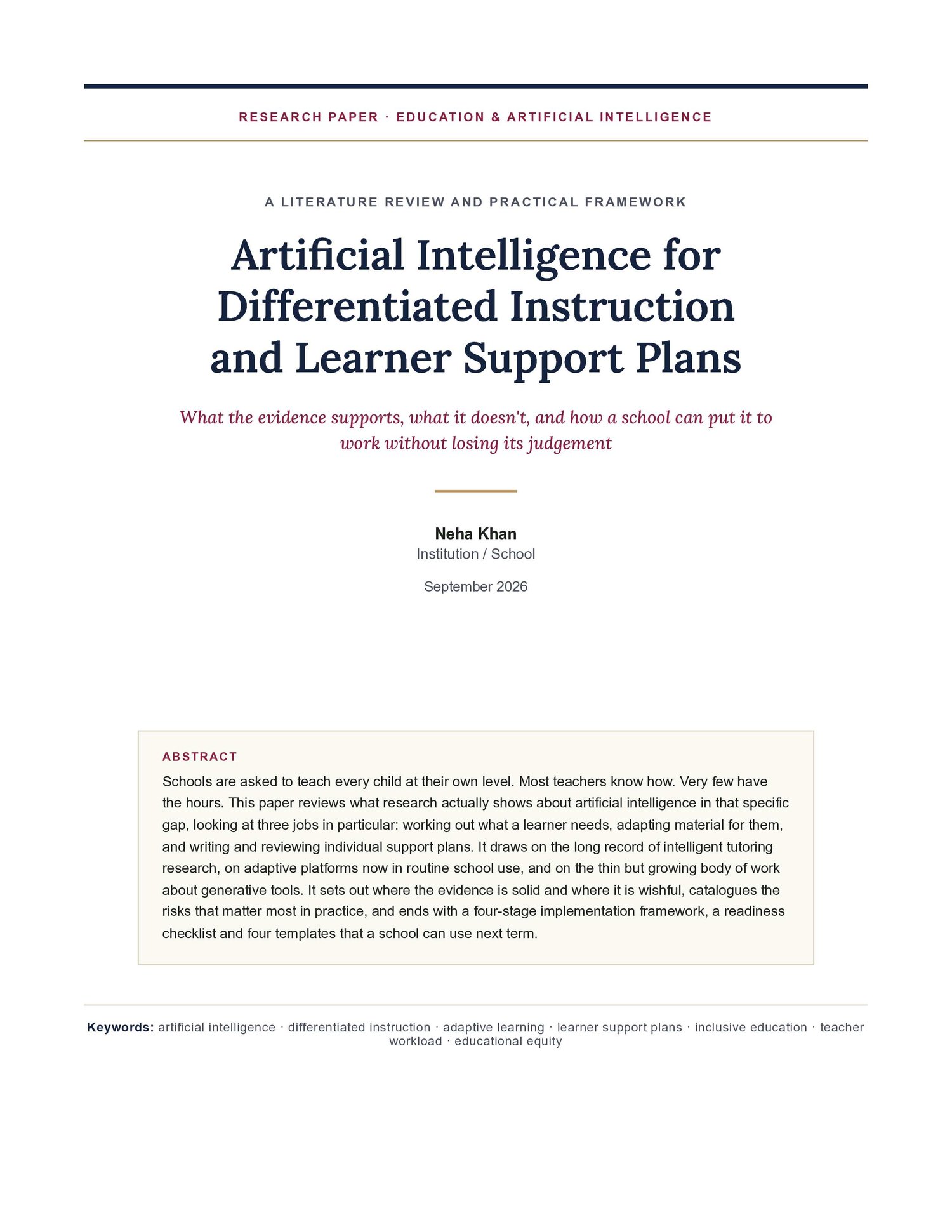
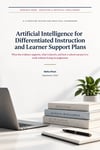
Artificial Intelligence for Differentiated Instruction and Learner Support Plans
A Literature Review and Practical Framework
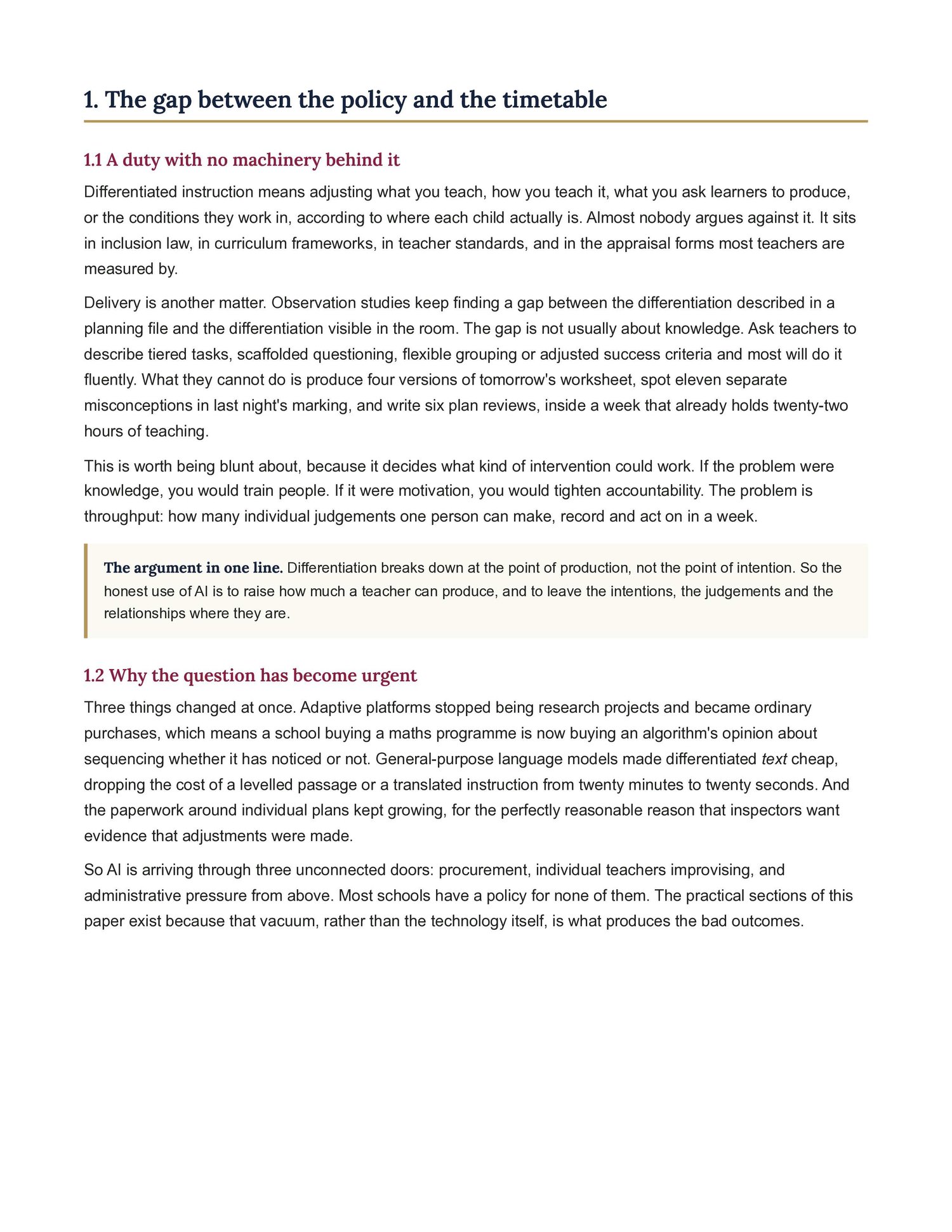
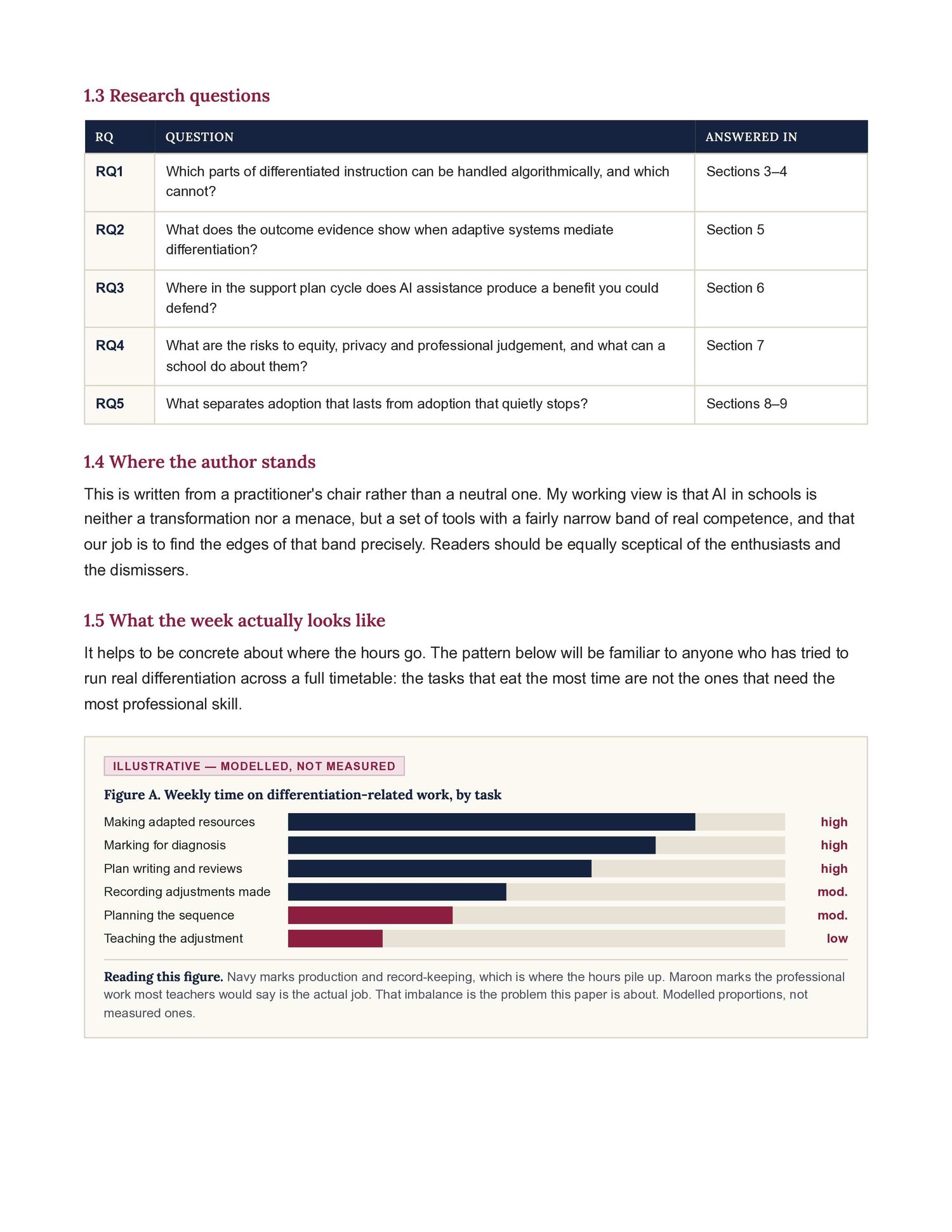
How can schools use Artificial Intelligence to support differentiated instruction and learner support without losing the professional judgement of teachers?
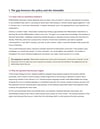
This research paper explores that question through a practical review of the available evidence on AI in education, with particular attention to differentiated instruction, adaptive learning, learner support plans, teacher workload, inclusion, and responsible AI implementation.
What you'll discover inside
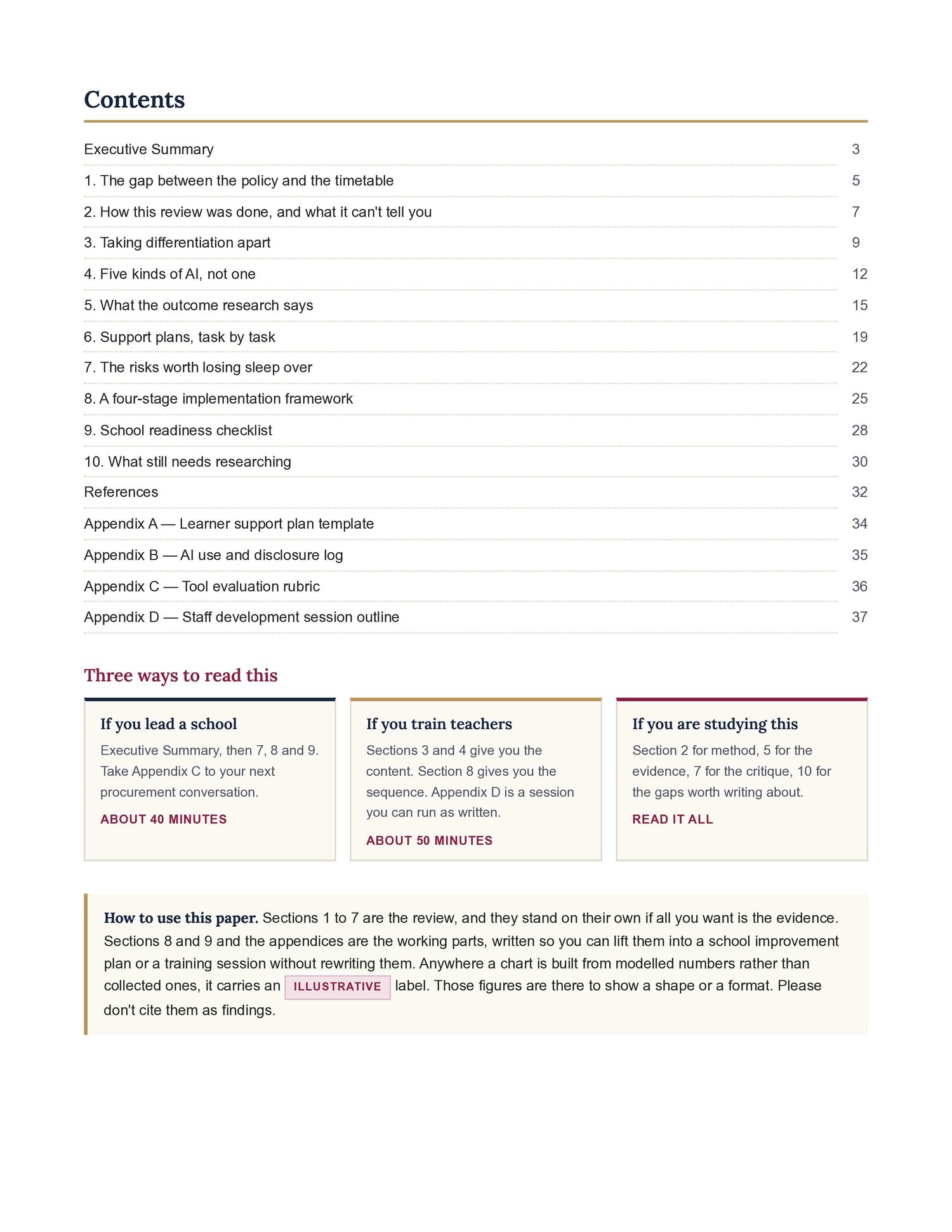
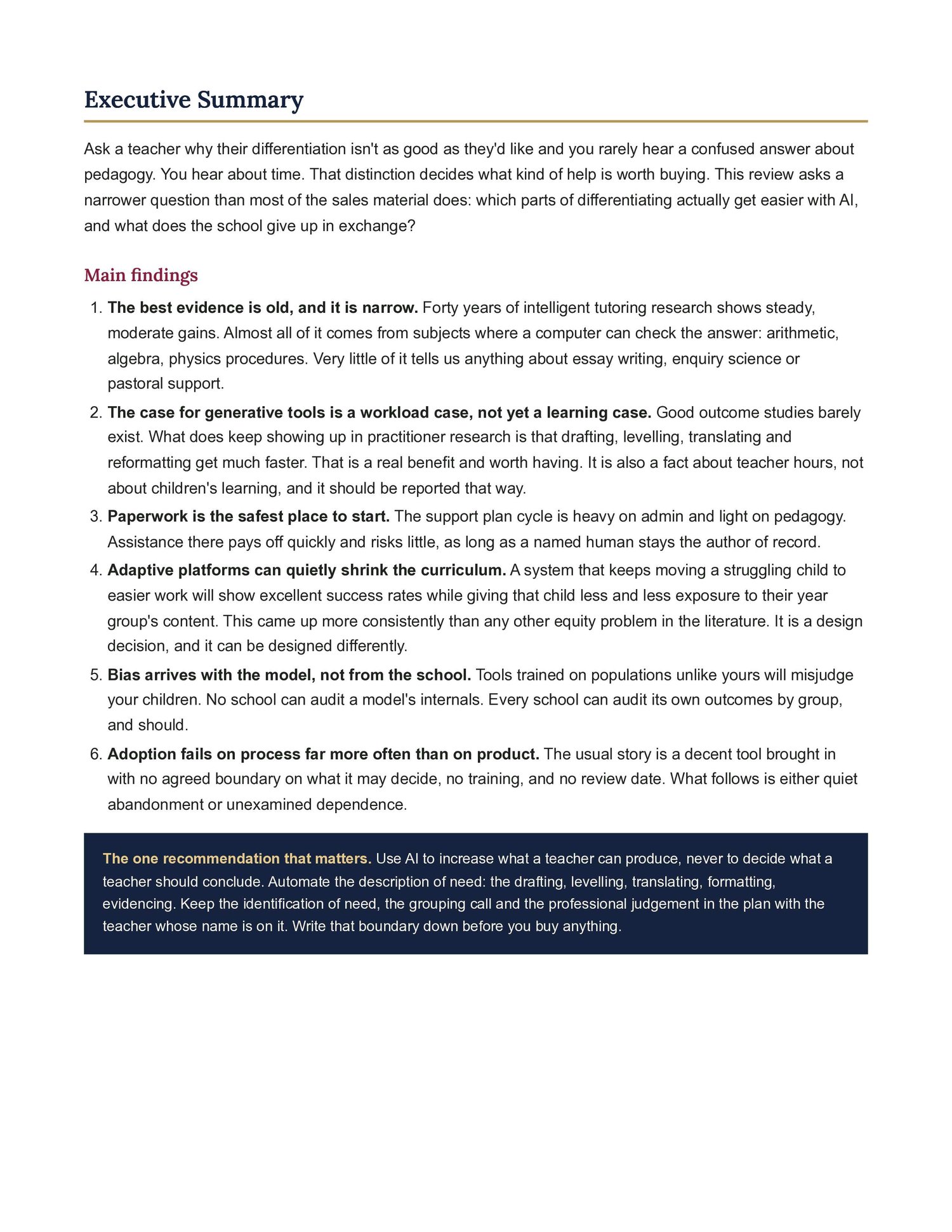
📘 The evidence behind AI in education
Understand what research supports, where evidence remains limited, and where claims about AI should be treated cautiously.
🎯 AI and differentiated instruction
Explore which aspects of differentiation AI can realistically support — and which decisions should remain firmly with teachers.
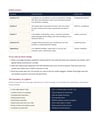
🤖 Five types of AI in education
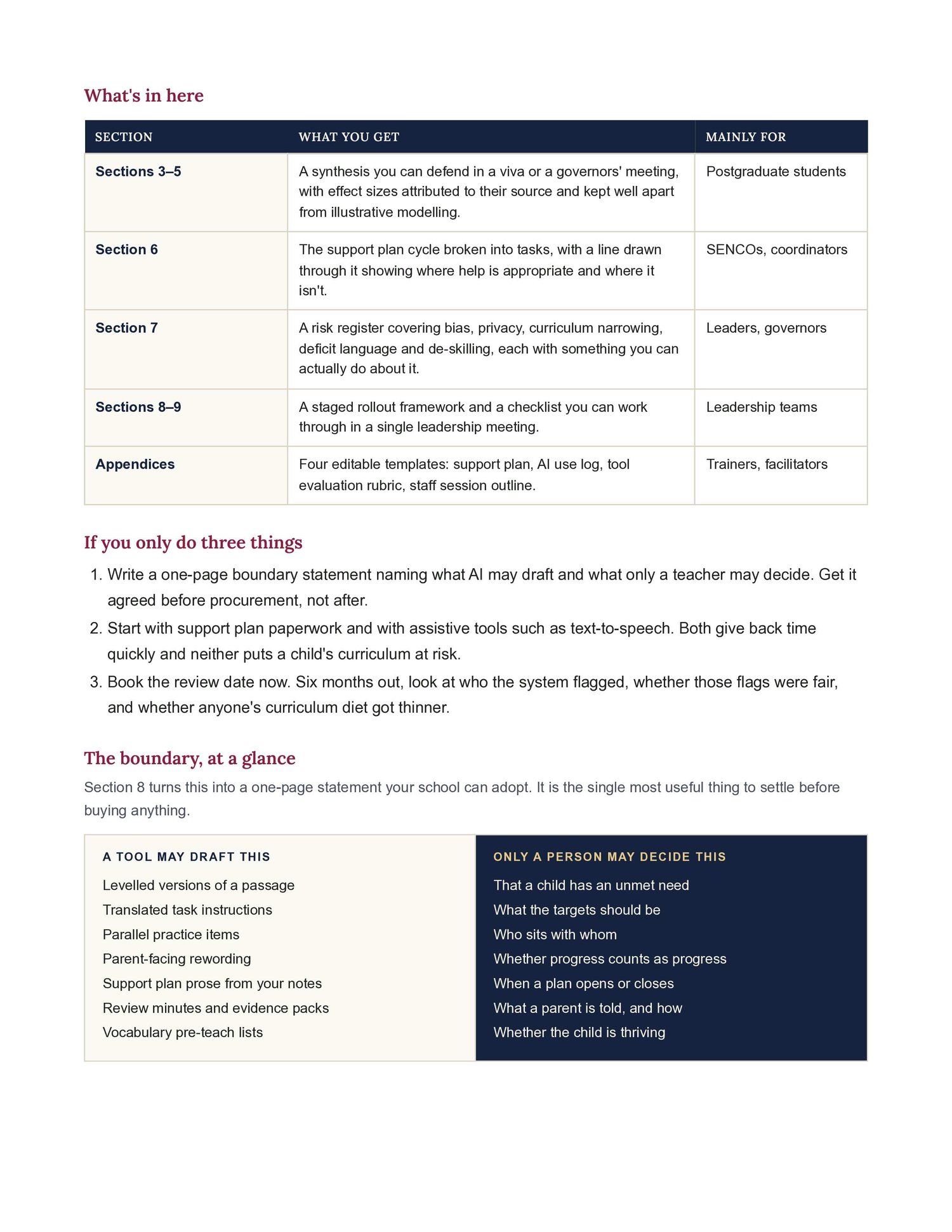
The paper examines intelligent tutoring systems, adaptive sequencing, early-warning analytics, generative AI, and assistive technologies.
📝 AI and learner support plans
Discover how AI can assist with documentation, evidence organisation, drafting and review while keeping important professional decisions with educators.
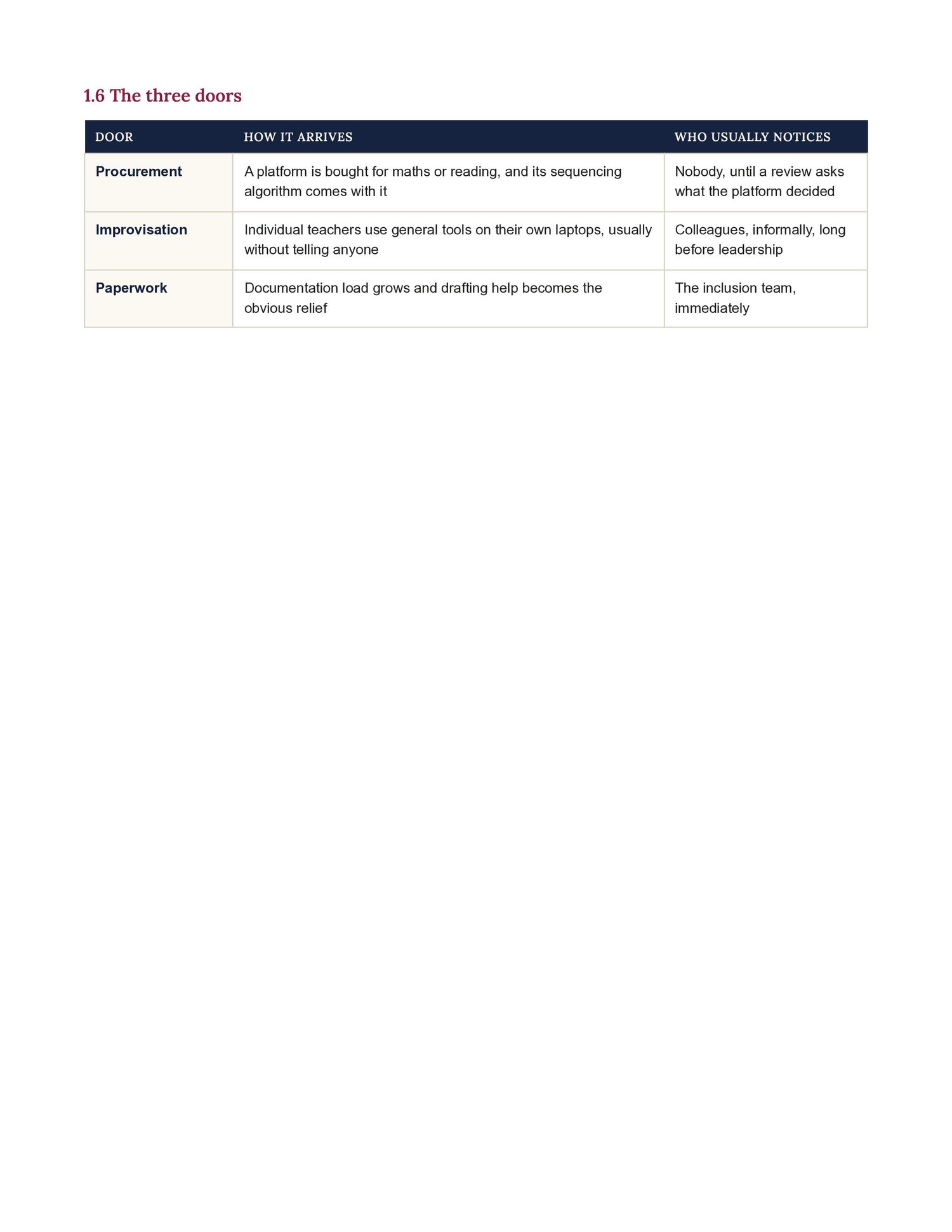
⚠️ Risks schools need to consider
The research examines curriculum narrowing, bias, children's data protection, deficit language, de-skilling, and unequal access.
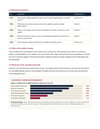
🏫 A practical four-stage implementation framework
A structured approach for schools considering responsible AI adoption from establishing boundaries and running a small pilot to staff training and reviewing outcomes.
Practical resources included
The paper also includes practical tools and frameworks that can support school leaders and educators in thinking through AI implementation, including:
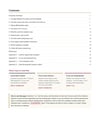
- School AI readiness considerations
- AI use boundaries
- Learner support planning guidance
- AI use and disclosure considerations
- Tool evaluation considerations
- Staff development guidance
Who is this research for?
This paper is particularly relevant for:
- School leaders and education managers
- Teachers and teacher trainers
- SEN/Inclusion coordinators
- Educational consultants
- Education researchers
- EdTech professionals
- Curriculum leaders
- Anyone exploring responsible AI implementation in schools
The central message
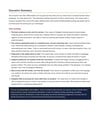
AI can help educators with drafting, transforming, organising and recording information, but important decisions about learners should remain grounded in professional judgement.
The paper therefore takes a practical approach: understand what AI can genuinely contribute, recognise where its limitations matter, and establish clear boundaries before implementation.
📥 Purchase this research paper on Payhip to access the complete 33-page research paper.
Instant digital access after purchase.
Research Paper • Education & Artificial Intelligence • September 2026