

EASA ATPL Principles of Flight (POF) – Exam Survival Notes
Struggling with EASA ATPL Principles of Flight (POF) or looking for a faster way to revise before your exam?
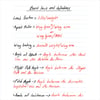
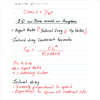
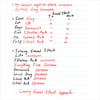
This 81-page Principles of Flight Exam Survival Pack is based on the personal notes I used while preparing for my ATPL theory exams. It focuses on the key formulas, relationships, memory tricks and exam-style concepts that helped me simplify one of the more technical ATPL subjects.
What’s included
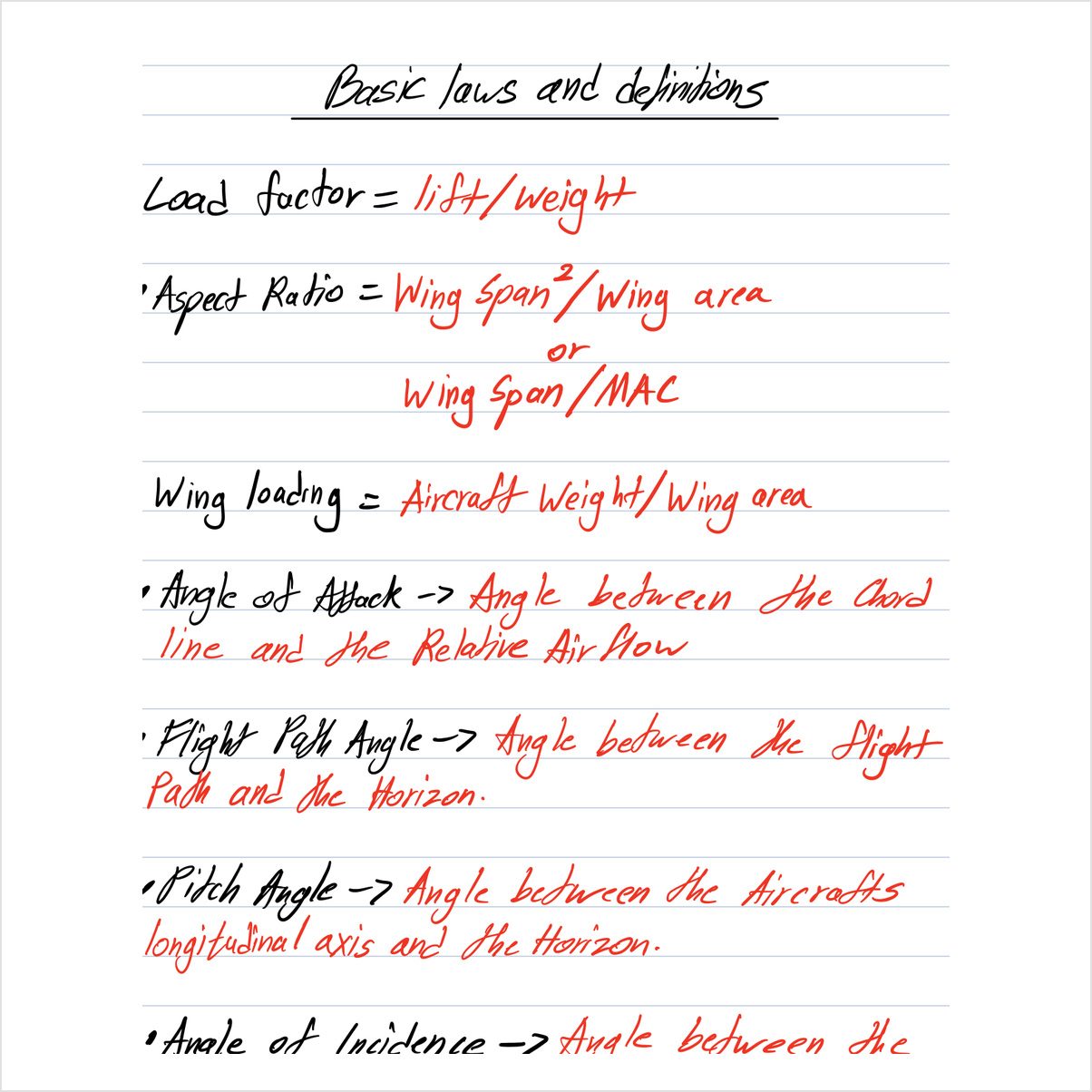
- Basic aerodynamic laws and definitions
- Angle of Attack, pitch angle and flight path angle
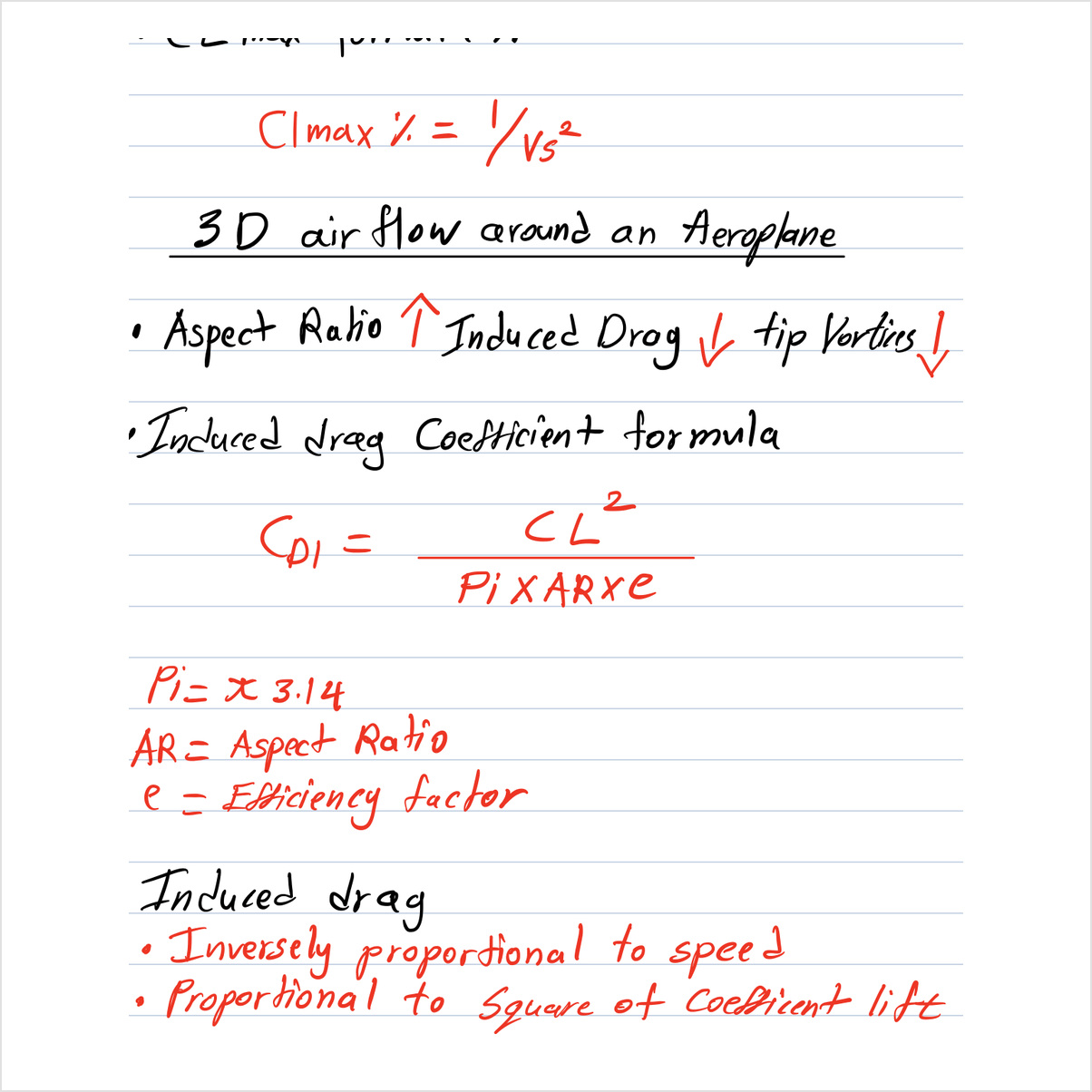
- Lift, drag and aerodynamic coefficients
- Induced drag, parasite drag and total drag
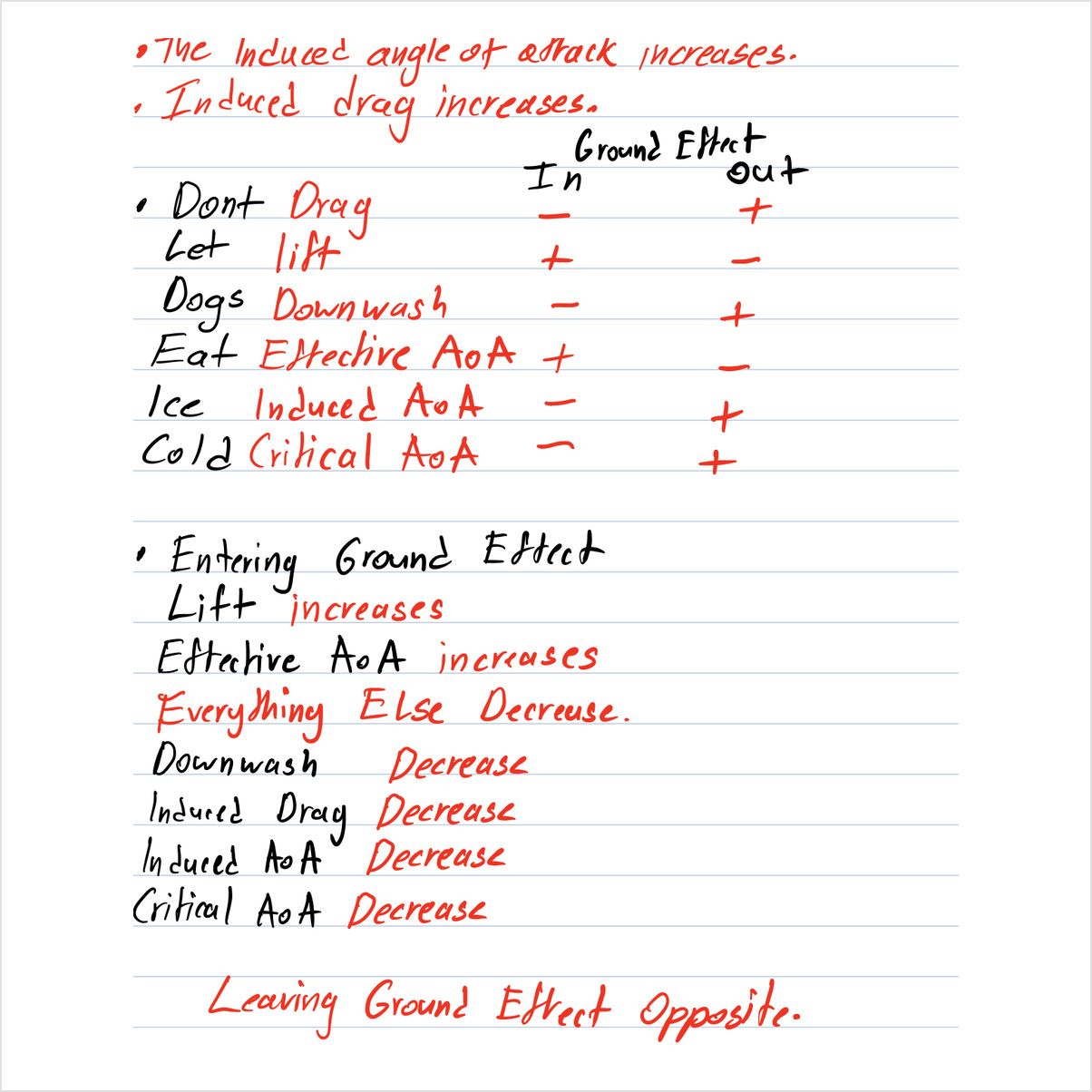
- Ground effect
- High-lift devices, flaps and slats
- Stall speed and load factor calculations
- Mach number, compressibility and shock waves
- Swept-wing aerodynamics
- Spins and stall behaviour
- Static and dynamic stability
- Longitudinal, lateral and directional stability
- Dutch roll, spiral dive and phugoid
- Flight controls, trim tabs and servo tabs
- Operating speeds and manoeuvring envelopes
- Gust loads and load-factor calculations
- Propeller aerodynamics and secondary effects
- Turns, climb, descent and glide calculations
- Minimum-control speeds including VMCG, VMCA and VMCL
- Quick-reference formula sheets
- Common POF traps and memory cues
- 20 original practice questions
- Full answer key
Who is this for?
Ideal for ATPL students who:
- Find Principles of Flight difficult to remember
- Want formulas and important relationships in one place
- Prefer straightforward explanations over long textbook chapters
- Need a compact revision resource before an exam
- Learn well from handwritten notes, diagrams and memory shortcuts
The original handwritten style has been preserved throughout much of the pack because these notes were created specifically for fast revision and exam preparation.
Please note: This is an independent student-created revision resource based on personal ATPL study notes. It is not official EASA material, is not affiliated with EASA or any ATO, and does not contain copied ATPL question-bank material. Always verify formulas, limitations and procedures against your current approved training material and syllabus.