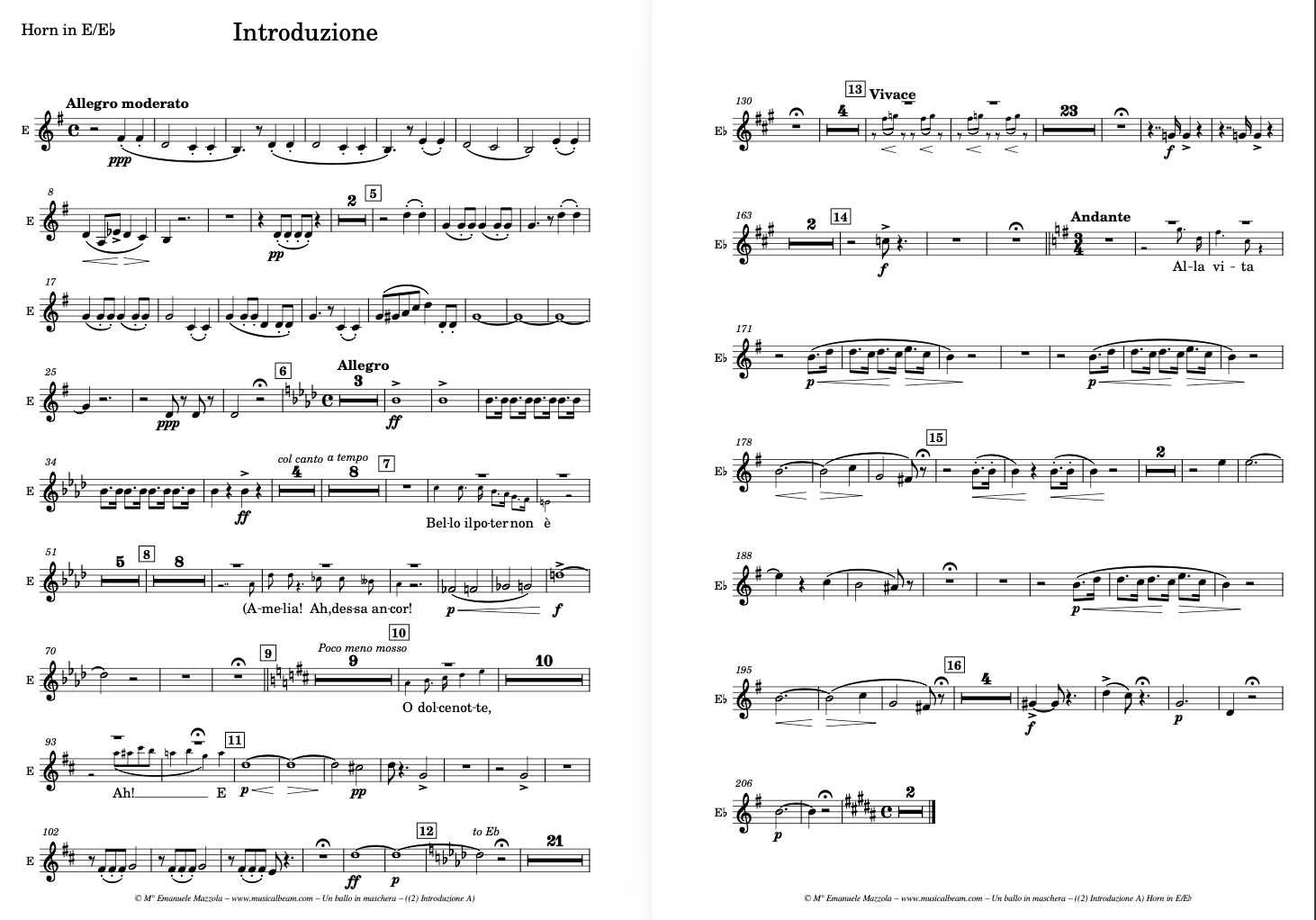
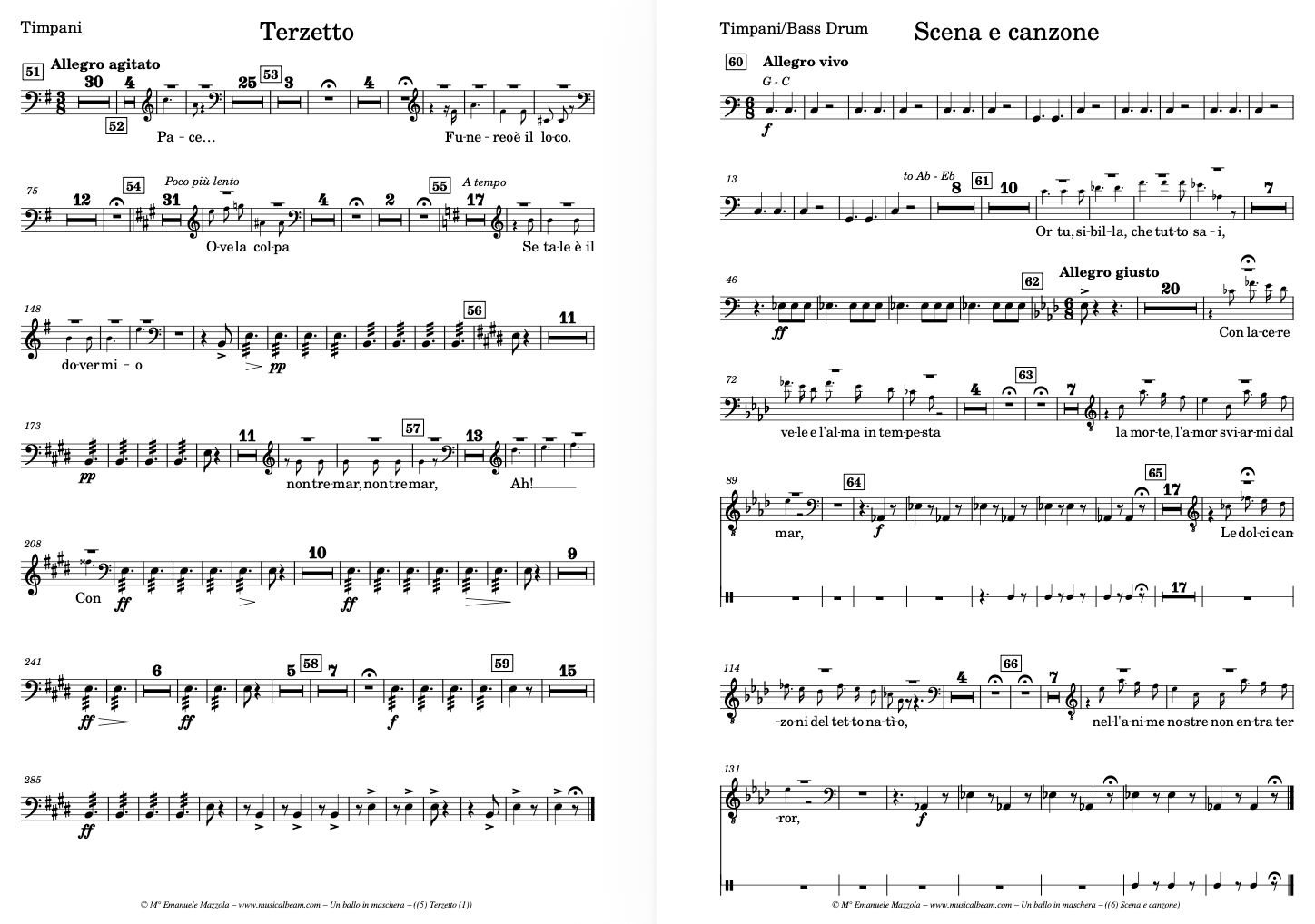
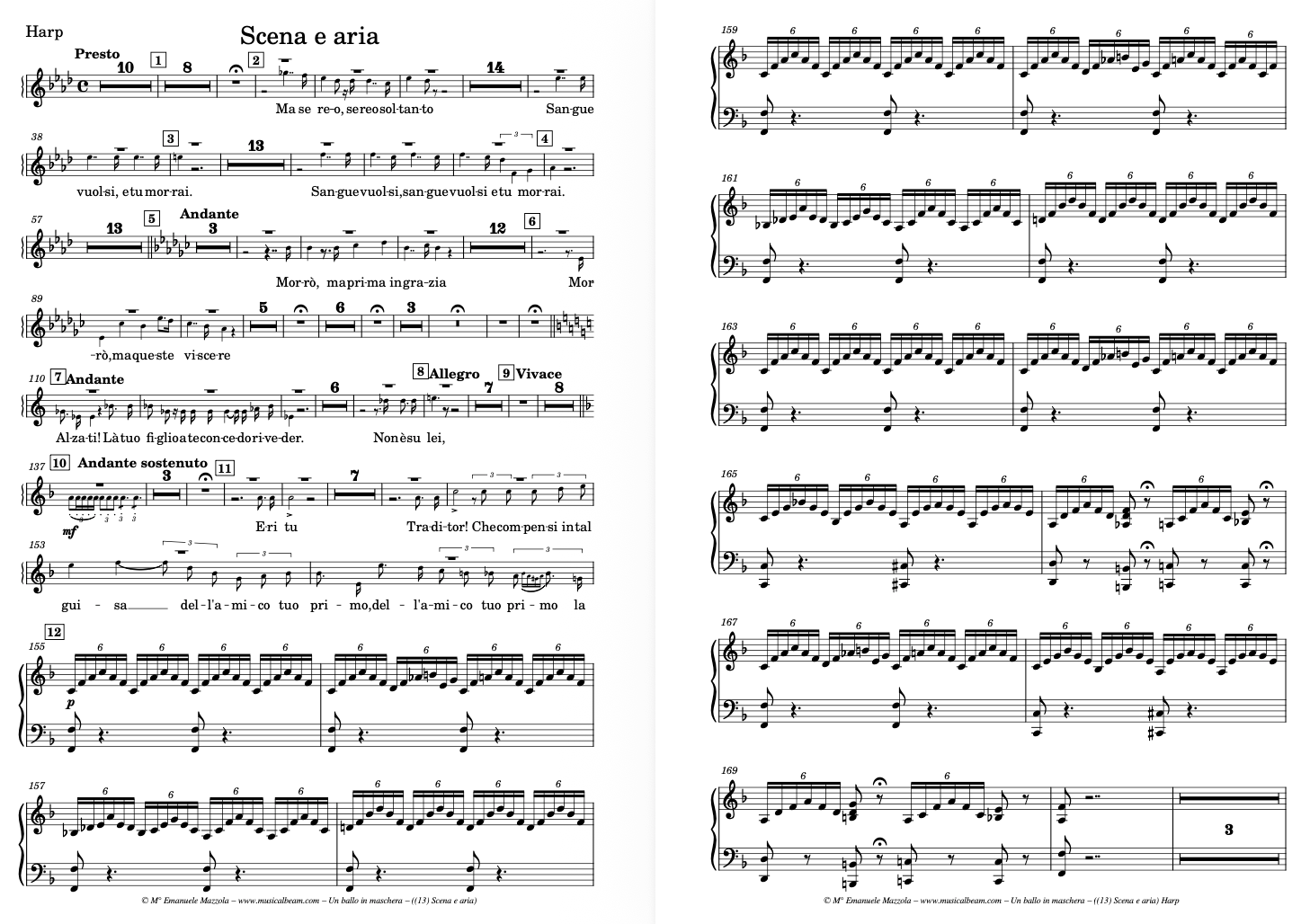
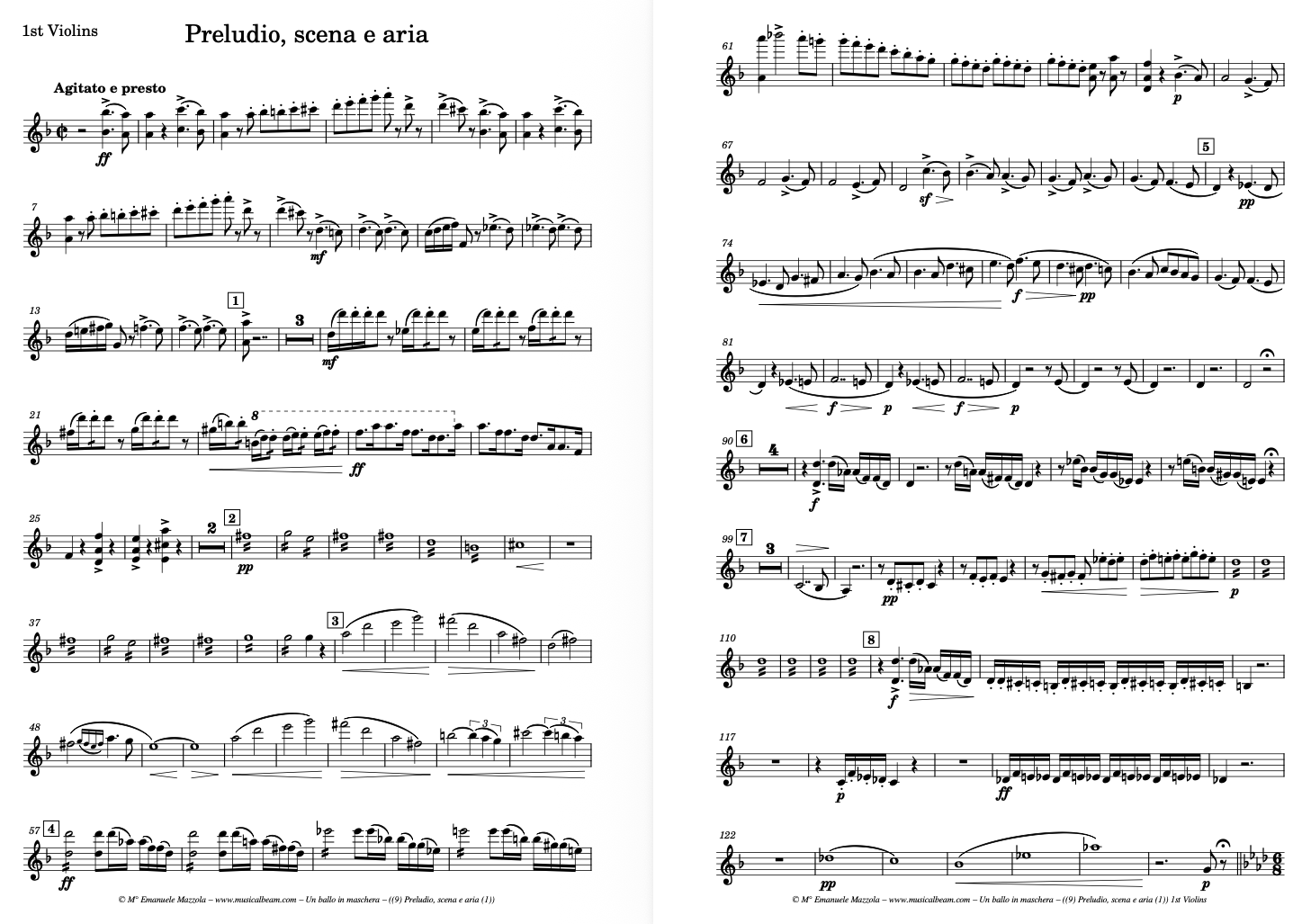
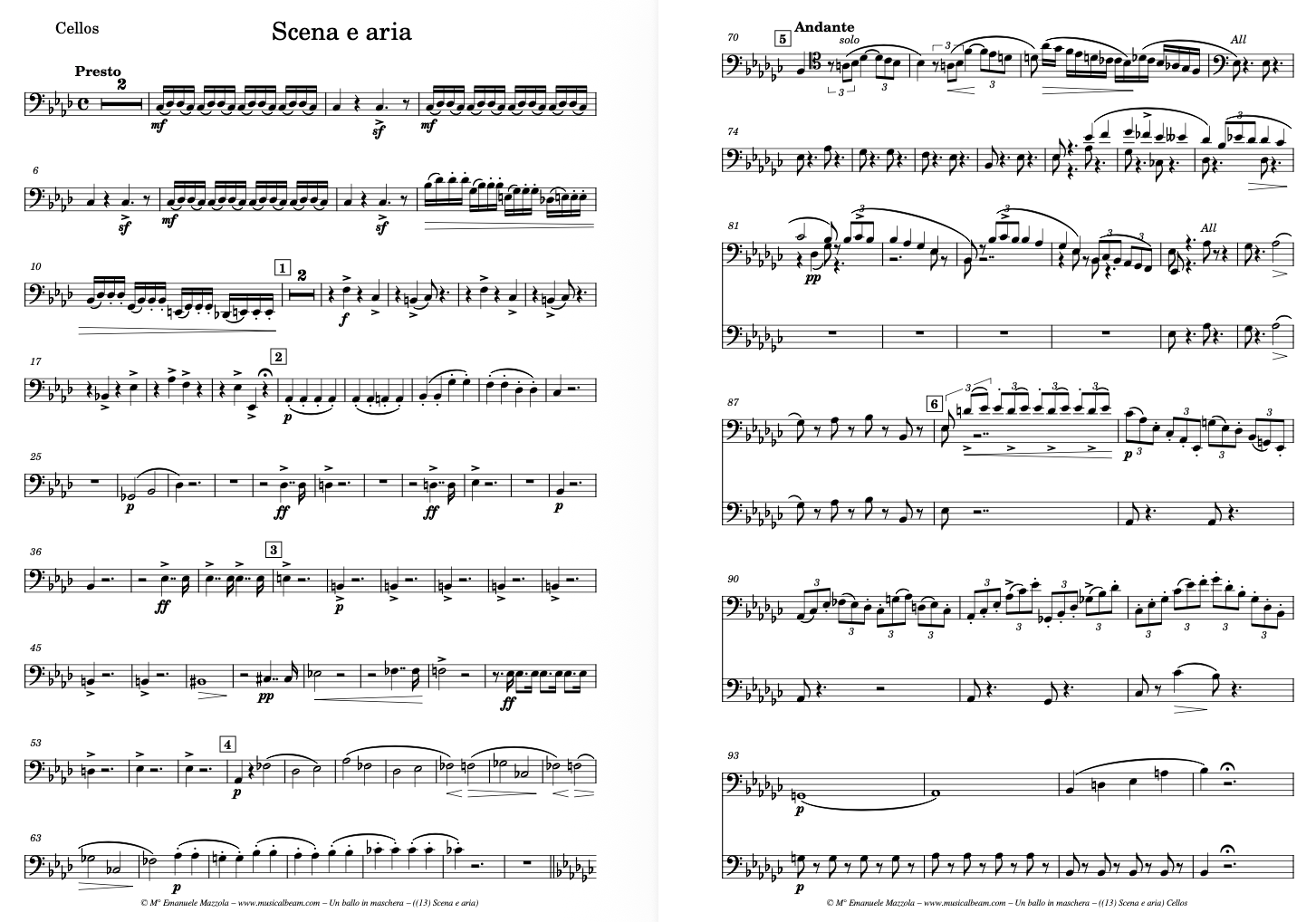
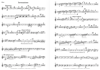
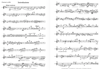
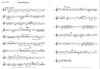
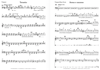
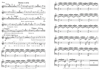
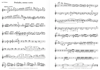
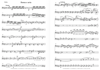
Un ballo in maschera (Verdi) for chamber orchestra, PARTS
Un Ballo in Maschera premiered on February 17, 1859, at the Teatro Apollo in Rome. It is based loosely on the assassination of King Gustav III of Sweden. Political censorship forced changes to the opera’s setting and characters, transforming a historical regicide into a romanticized tragedy set in colonial Boston. The opera explores themes of love, betrayal, duty, and fate. Rich in melodic invention and psychological complexity, it includes some of Verdi’s most dramatic arias and ensembles. Despite its troubled genesis, it remains a pillar of the 19th-century Italian operatic canon.
A Masked Ball for Chamber Orchestra (16-27 players)
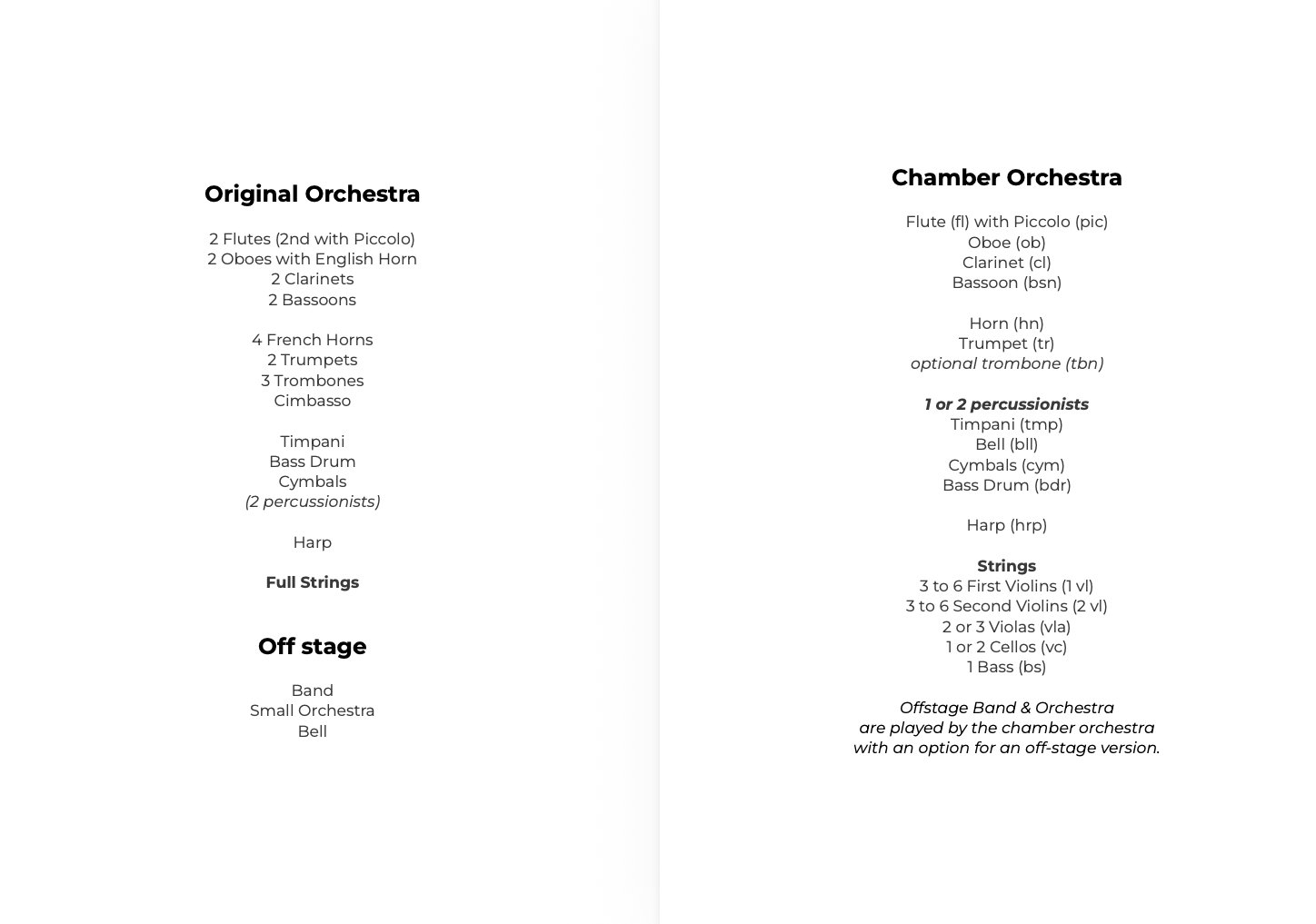
Verdi scored Un Ballo in Maschera for a full Romantic orchestra: strings, woodwinds (including piccolo and bass clarinet), brass (four horns, three trombones, trumpets), timpani, harp, and onstage banda, with significant choral involvement. The opera requires around 50–60 instrumentalists in full orchestration. While musically rich and layered, Ballo can be adapted for chamber productions, especially in smaller venues. Some elements—such as the ball scene—benefit from reduced orchestration that maintains dramatic focus without overwhelming the intimacy of the emotional conflicts. Un Ballo in maschera for Chamber Orchestra requires:
- Flute with piccolo, oboe, clarinet, bassoon
- (French) Horn, trumpet
- Optional trombone
- 1 or 2 percussionist: timpani, bell, cymbals, bass drum
- String orchestra (9-18 players):
- 3-6 first violins
- 3-6 second violins
- 2-3 violas
- 1-2 cellos
- 1 Bass