




Cybersecurity Attacks & Defense Strategies
Cybersecurity Attacks & Defense Strategies (Professional Overview)
Cybersecurity is the practice of protecting systems, networks, applications, and data from digital threats. Modern attacks continue to grow in complexity, so understanding both attacks and defense strategies is essential.
 1. Common Cybersecurity Attacks
1.1 Malware Attacks
Malicious software designed to damage or exploit systems.
Types:
Virus – attaches to files and spreads when executed
Worm – self-spreading through networks
Trojan – disguised as legitimate software
Ransomware – encrypts data and demands money
Spyware / Keylogger – steals sensitive information
1.2 Phishing & Social Engineering
Attackers manipulate victims into revealing confidential data.
Examples: Fake emails, WhatsApp/SMS scams, clone websites, fake job offers.
1.3 Denial of Service (DoS / DDoS)
Attackers flood a server with excessive traffic to overload it and make services unavailable.
1.4 Man-in-the-Middle (MitM)
Attackers secretly intercept communication between two parties.
Often occurs on public Wi-Fi or via session hijacking.
1.5 Password Attacks
Techniques used to gain unauthorized account access:
Brute force
Dictionary attacks
Credential stuffing (reusing leaked passwords)
1.6 SQL Injection
Malicious SQL code inserted into input fields to access databases.
Can expose: customer data, login credentials, payment info.
1.7 Cross-Site Scripting (XSS)
Attackers inject malicious scripts into websites executed by users’ browsers.
1.8 Zero-Day Vulnerability Exploits
Attacks on unknown or unpatched software vulnerabilities.
1.9 Insider Threats
Employees or contractors misusing authorized access—either intentionally or accidentally.
1.10 Cloud Attacks
Cloud misconfigurations or exposed API keys lead to:
Data leaks
Account takeover
Exploiting weak IAM permissions
 2. Cyber Defense Strategies
2.1 Strong Access Control
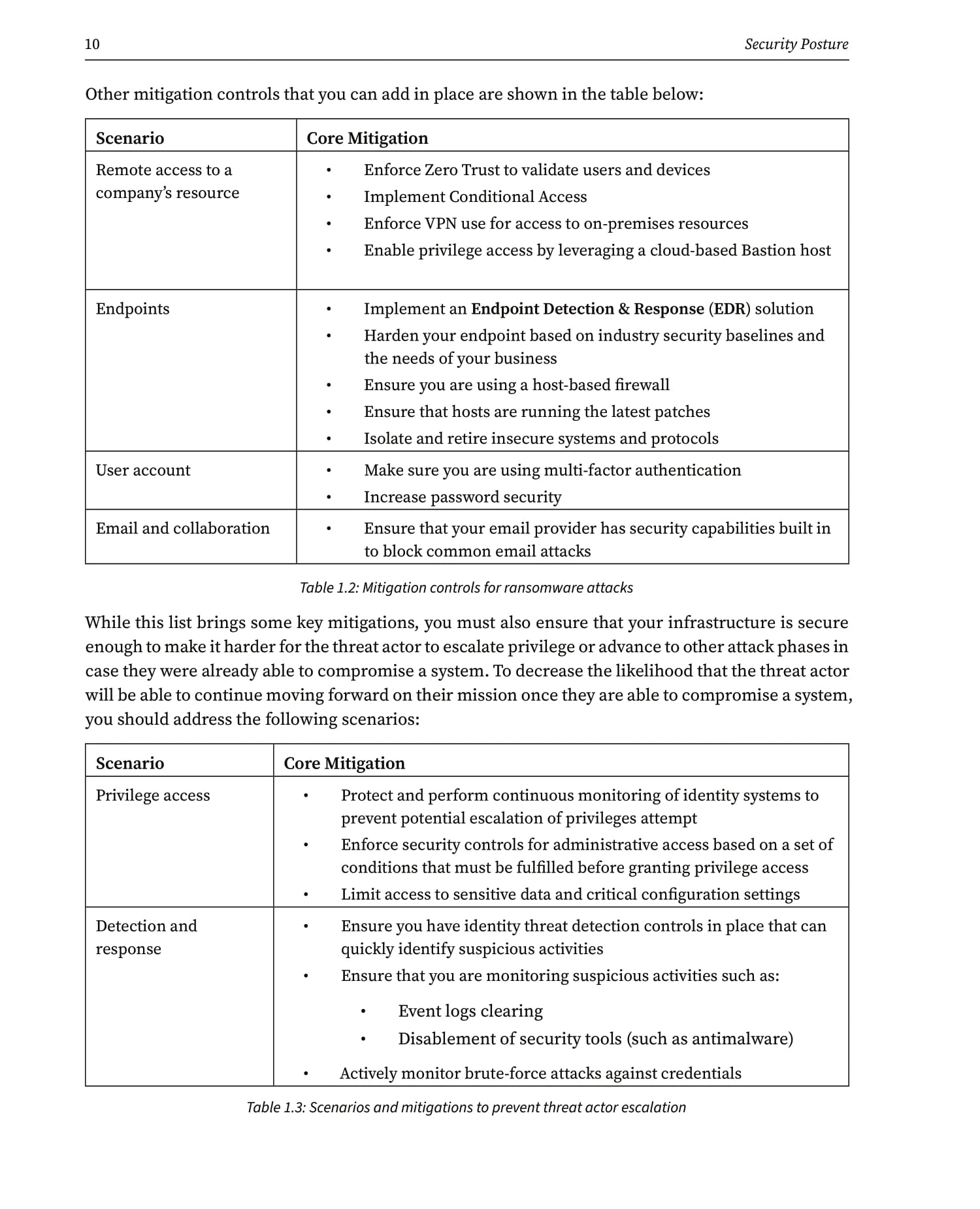
Multi-Factor Authentication (MFA)
Least privilege principle
Role-Based Access Control (RBAC)
2.2 Network Security Controls
Firewalls
Intrusion Detection/Prevention Systems (IDS/IPS)
VPN for secure remote access
Network segmentation (limit attack spread)
2.3 Vulnerability Management
Regular patching & updates
Penetration testing
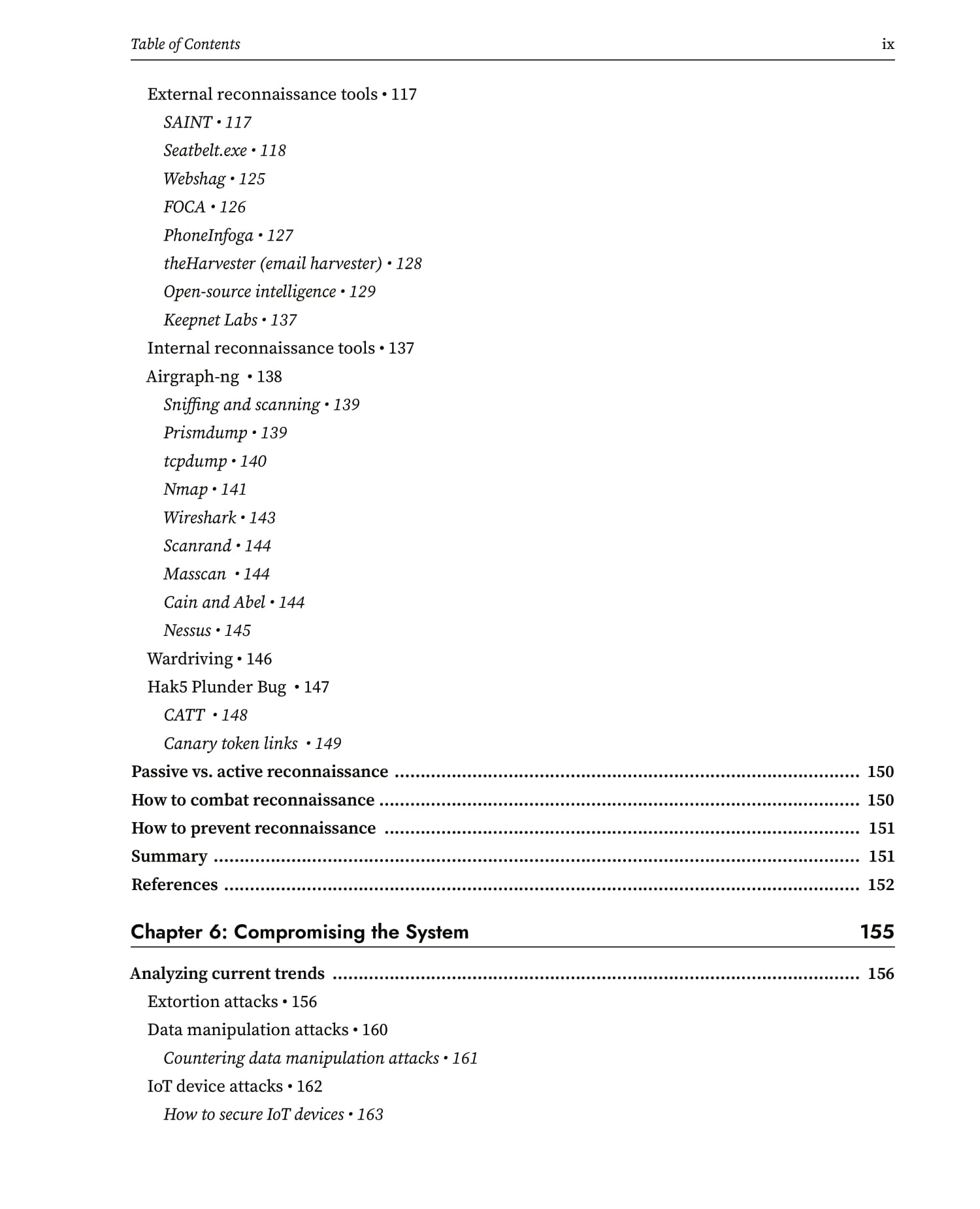
Vulnerability scanning tools (Nessus, OpenVAS)
2.4 Endpoint Security
Antivirus / EDR (Endpoint Detection & Response)
Device encryption
Application allowlisting
2.5 Secure Coding Practices
Input validation
Parameterized SQL queries
Secure API design
Avoiding hardcoded credentials
2.6 Data Protection
Strong encryption (at rest + in transit)
Backup + disaster recovery
Data loss prevention (DLP) tools
2.7 Monitoring & Incident Response
SIEM (Security Information & Event Management)
Log monitoring
Threat intelligence
Incident Response Plan (IRP) + SOC procedures
2.8 Cloud Security Safeguards
Proper IAM configuration
Secure S3 buckets / blob storage
API security
Cloud-native security tools (AWS GuardDuty, Azure Defender)
2.9 Security Awareness Training
Most breaches occur due to human error.
Training includes phishing detection, password hygiene, handling sensitive data.
2.10 Zero Trust Architecture
“Never trust, always verify.”
Every user, device, and application is continuously authenticated and authorize