

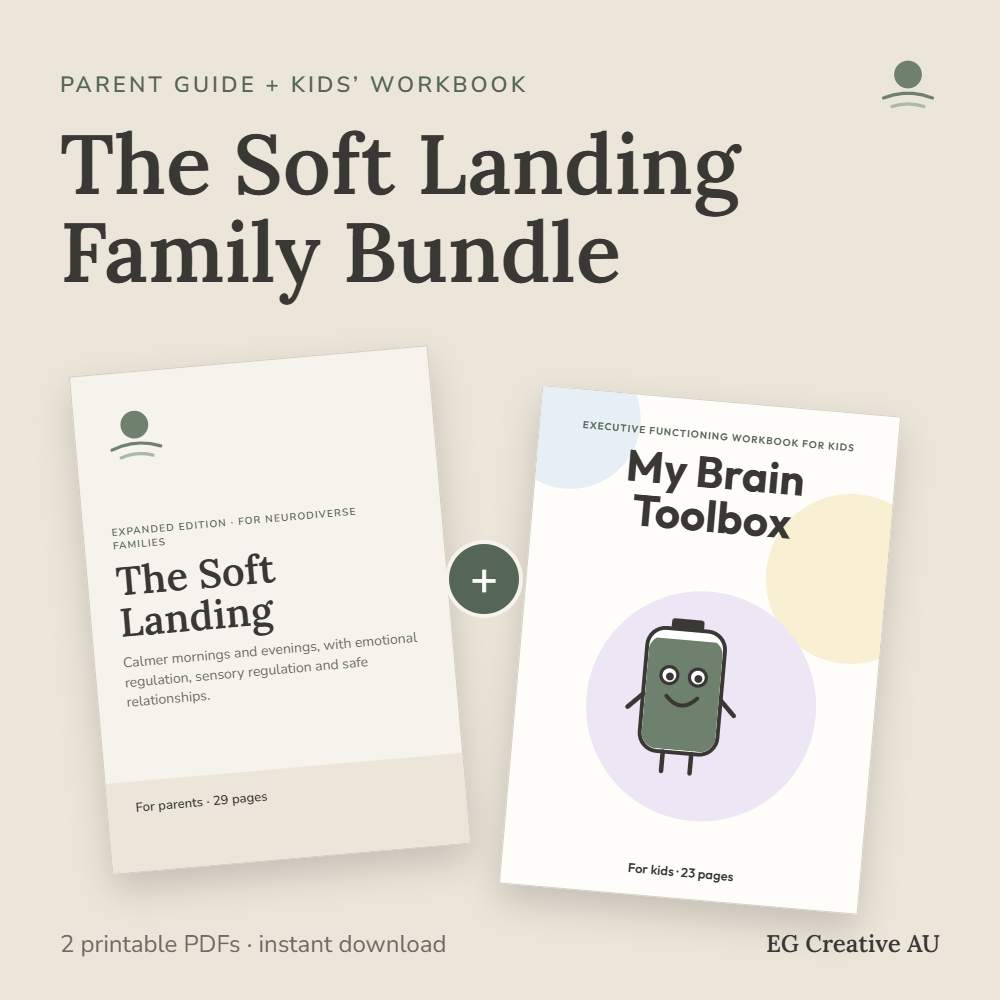
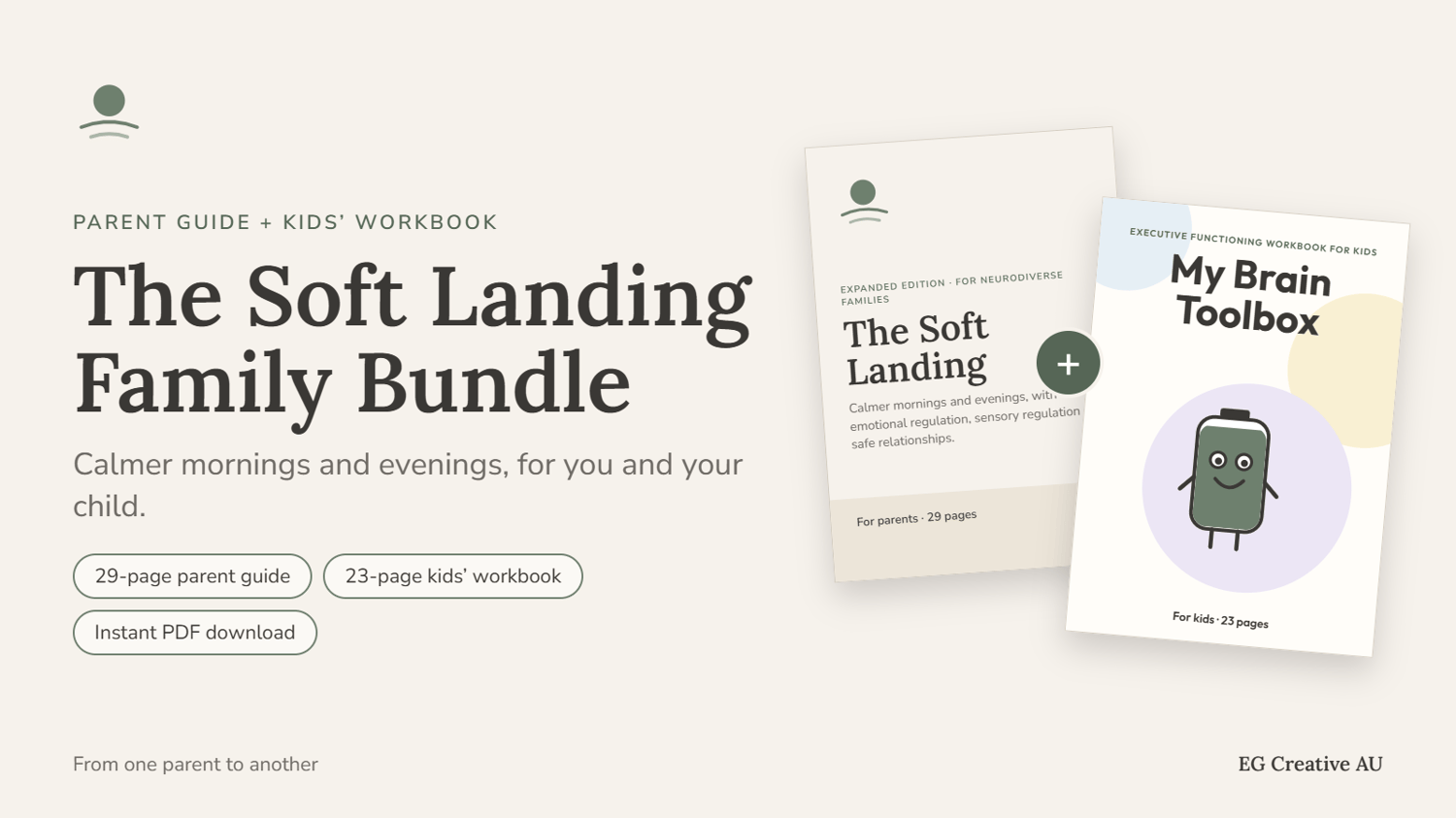
The Soft Landing Family Bundle: Parent Guide + My Brain Toolbox Kids’ Workbook (Printable PDFs)
Calmer mornings and evenings need two things: a plan for the grown-ups and tools for the kids. This bundle gives you both. I’m Em, a secondary teacher with a Master of Applied Learning and Teaching from Deakin University, and a parent in a neurodiverse family. I made The Soft Landing for our own home. The guide helps you stay steady when your child’s battery runs out, and the workbook helps your child build the skills that make the hard parts of the day easier.
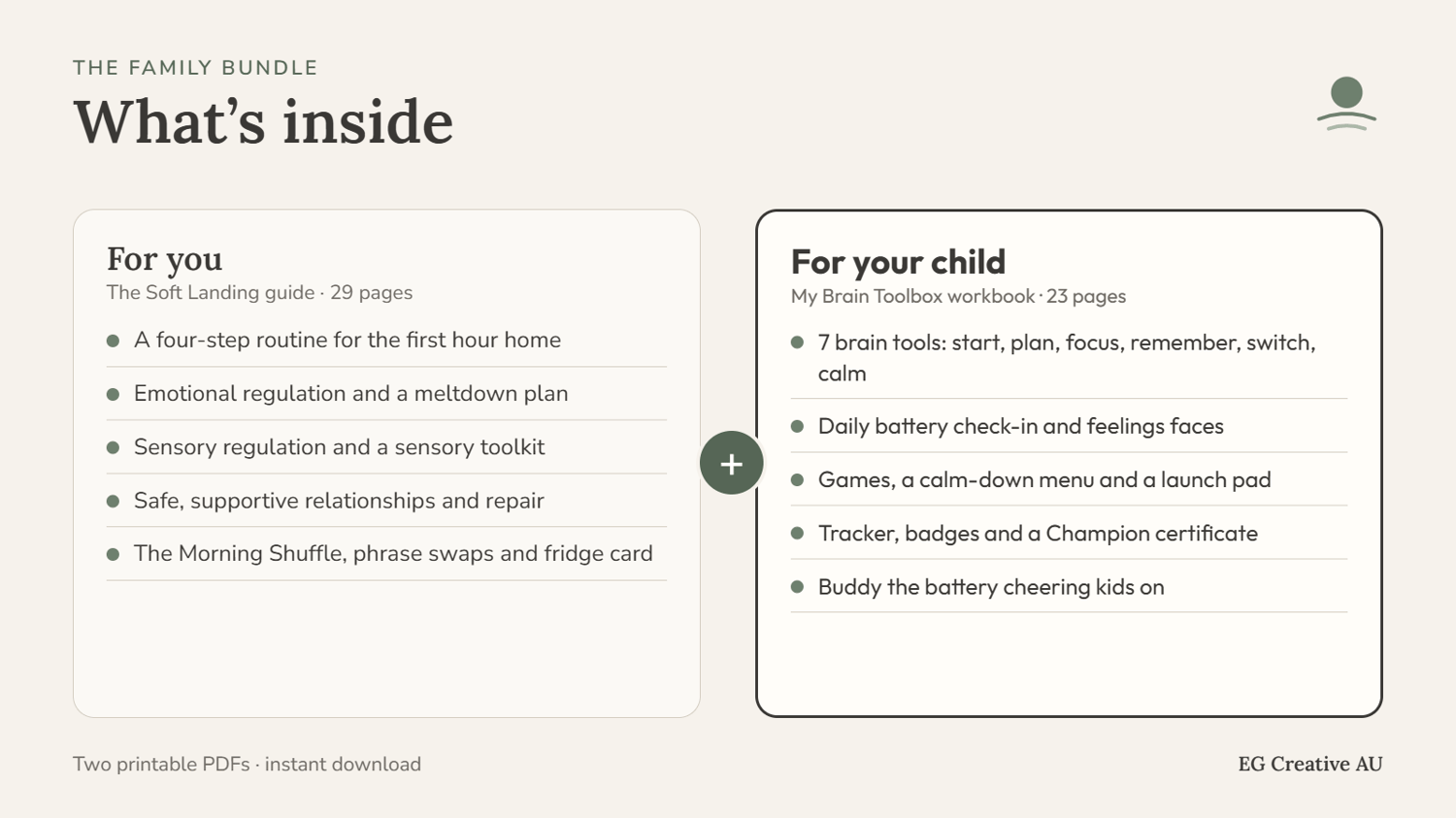
For you: The Soft Landing guide (29 A4 pages)
- A four-step routine for the first hour once you’re all home
- Emotional regulation: big feelings in plain English, how to lend your calm, and a meltdown plan
- Sensory regulation: understanding sensory differences, spotting overload, and building a sensory toolkit
- Safe, supportive relationships: connection before correction, special time, repair, and a family agreement
- The Morning Shuffle for getting out the door without tears or fights
- Over a dozen “instead of… try…” phrase swaps, a family plan, a one-week tracker and a fridge card
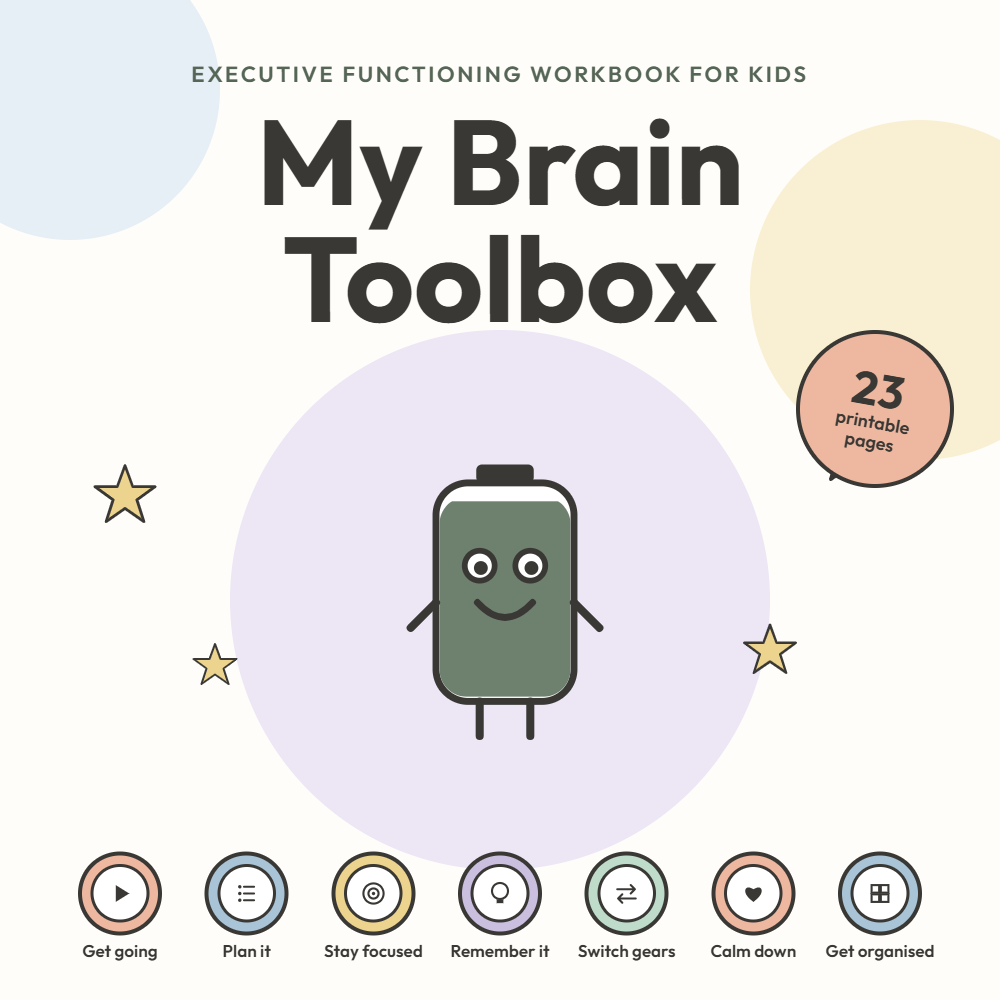
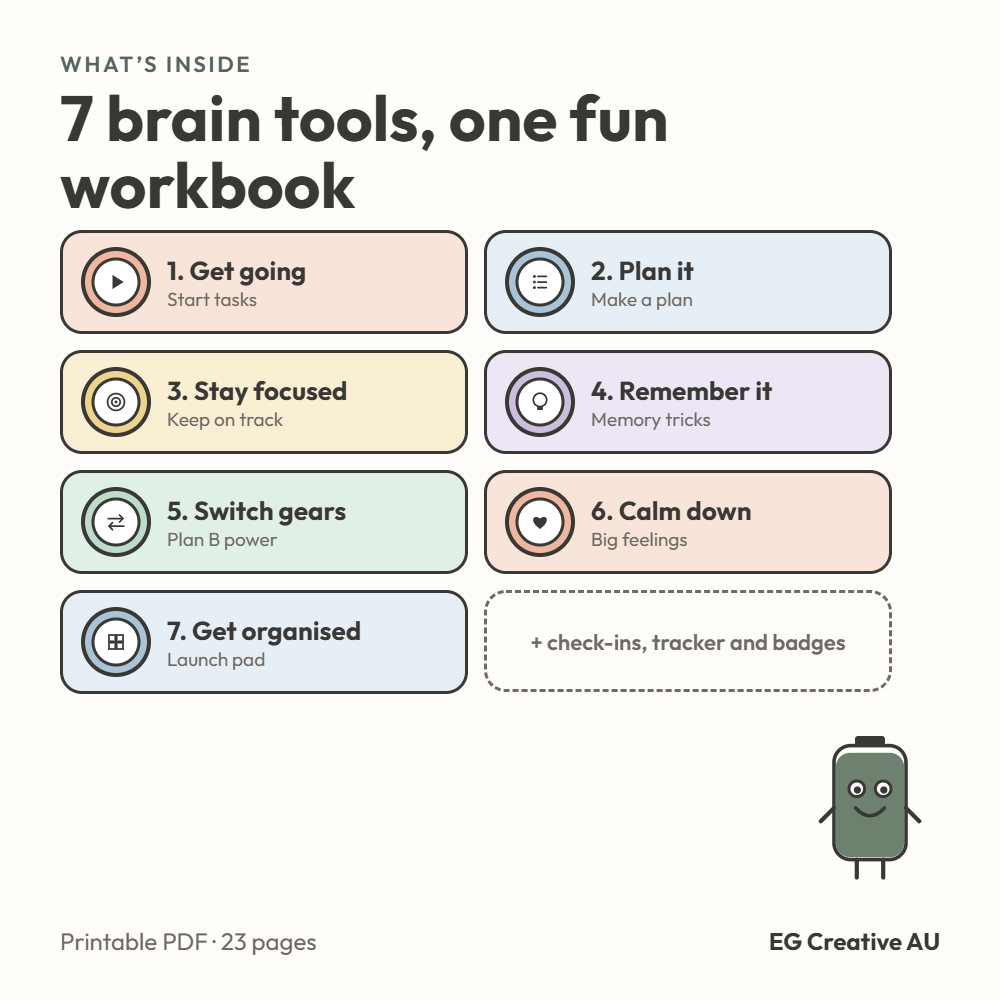
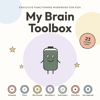
For your child: My Brain Toolbox workbook (23 A4 pages)
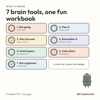
- 7 colourful brain tools: get going, plan it, stay focused, remember it, switch gears, calm down and get organised
- A daily battery check-in, feelings faces and a calm-down menu
- Games and activities, such as the tiny-steps staircase, the sandwich-order game and focus sprints
- A tracker, badges to colour and a Brain Toolbox Champion certificate
- Buddy the battery mascot, with short, child-led activities of about 5 to 10 minutes
Good to know
- Instant digital download (two PDFs, A4)
- Print the pages you need, or use the workbook on a tablet with a PDF markup app
- Written for families with primary-school-aged children, and easy to adapt for older or younger kids
- You don’t need a diagnosis to use it
- For personal and family use only
These resources share general strategies and one parent and teacher’s experience. They aren’t therapy, assessment or medical advice. Please talk to your child’s health professionals about their individual needs.