DNA
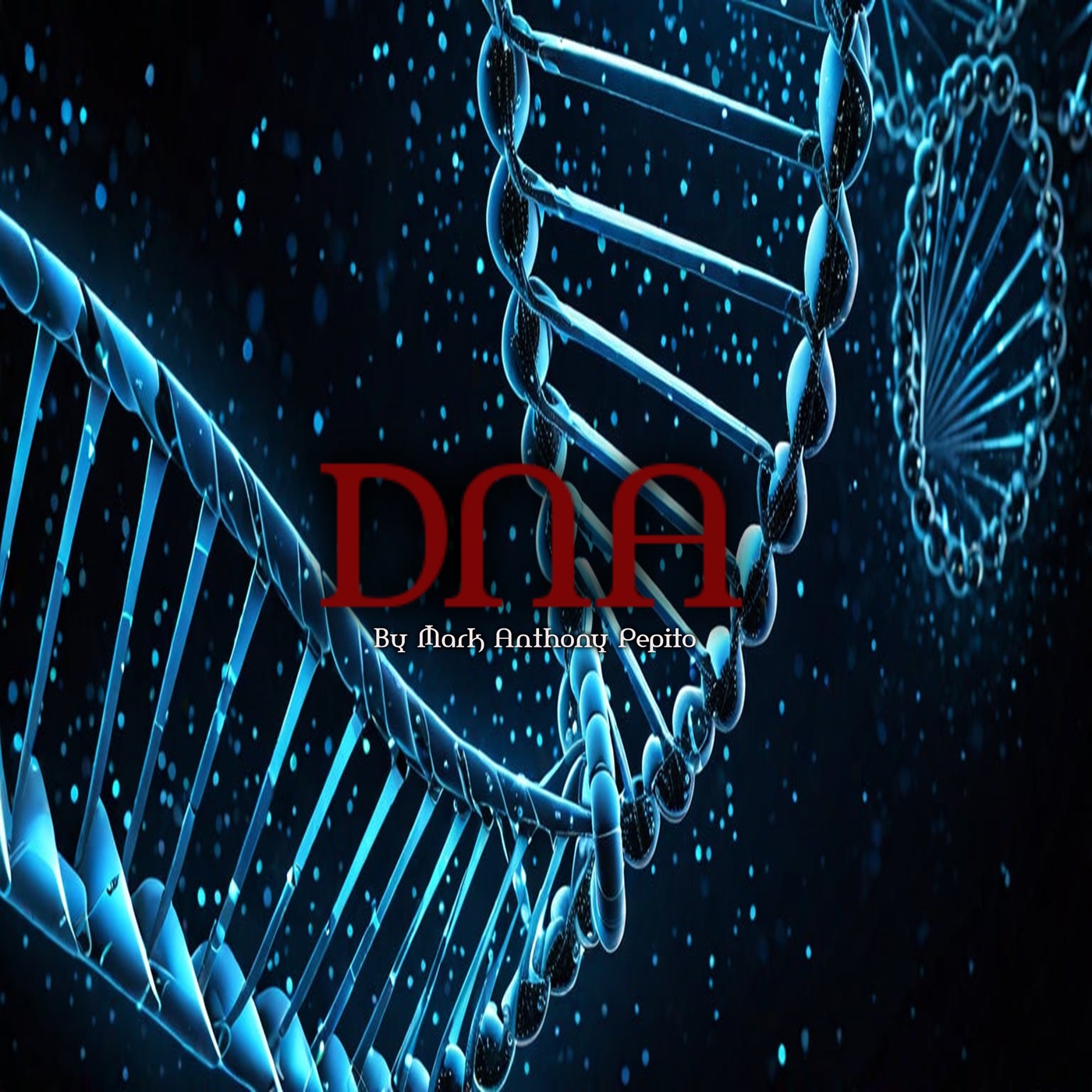
The story of human DNA is one of the most captivating scientific odysseys of the modern era. Its unraveling has transformed our understanding of life, revealing the intricate blueprint that defines who we are and how we function. This journey began with a serendipitous discovery in a small Swiss laboratory, where a young scientist named Friedrich Miescher stumbled upon a substance that would eventually be recognized as the fundamental building block of all living organisms.
It was the year 1869, and Miescher, a 25-year-old professor at the University of Tübingen, was conducting research on the chemical composition of white blood cells. As he meticulously examined the nuclei of these cells, he noticed a peculiar substance that seemed to be distinct from the proteins and fats he had encountered before. Intrigued, Miescher set out to isolate and study this mysterious compound, which he initially dubbed "nuclein" due to its origin within the cell's nucleus.
Little did Miescher know that his discovery would lay the groundwork for one of the most transformative scientific breakthroughs of the 20th century. Through painstaking experiments, he determined that nuclein was a complex molecule composed of phosphorus, nitrogen, hydrogen, and oxygen – a far cry from the simple proteins and lipids that were the focus of most biological research at the time.
Miescher's work laid the foundation for the eventual understanding of DNA, but it would take decades for the full significance of his discovery to be realized. In the years that followed, other scientists built upon his findings, gradually unraveling the intricate structure and function of this remarkable molecule.