Origins of Antarctica
Antarctica, the southernmost continent on Earth, has long captivated the human imagination. Its icy expanse, hidden from view for millennia, has given rise to ancient tales, mythical legends, and enduring mysteries. From the whispers of ancient civilizations to the tantalizing hints of early cartography, the story of Antarctica's discovery and exploration is a fascinating journey through the evolution of human knowledge and curiosity.
In the ancient world, the concept of a vast, unknown southern landmass was deeply rooted in the philosophical and cosmological beliefs of various cultures. Greek thinkers, such as Aristotle, postulated the existence of a southern continent, known as "Terra Australis Incognita," or the "Unknown Southern Land," to balance the landmasses in the Northern Hemisphere. This idea, though often inaccurate, laid the groundwork for future exploration and the unraveling of Antarctica's secrets.
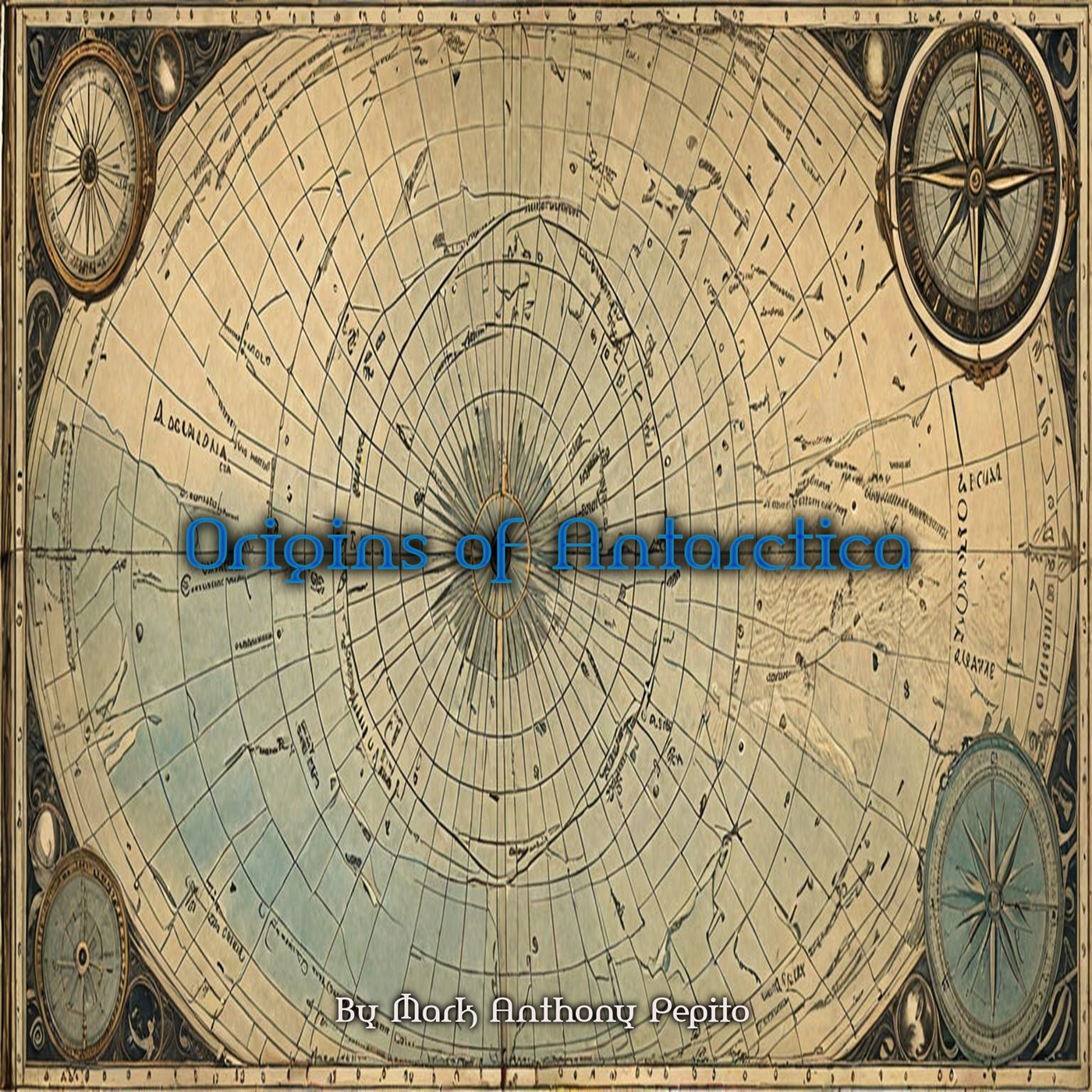
As cartography advanced through the centuries, early maps began to depict tantalizing glimpses of the Antarctic coastline. One of the most intriguing and controversial of these is the Piri Reis map, created in 1513 by the Ottoman admiral and cartographer, Piri Reis. This remarkable map, which combines information from various sources, including ancient Greek and Arabic sources, appears to show the coastline of Antarctica with remarkable accuracy, even depicting features that were not officially discovered until centuries later.