
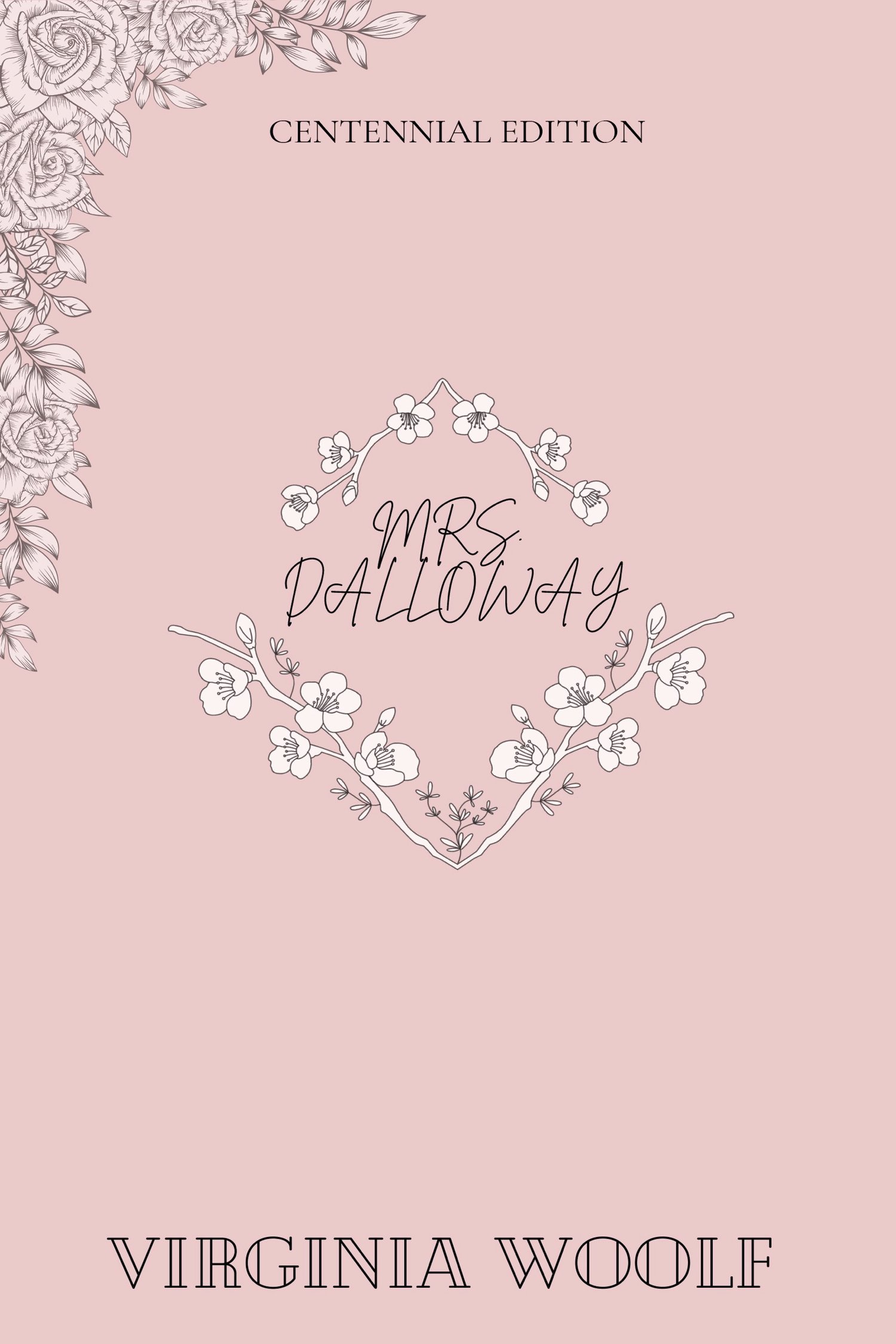
Mrs Dalloway
In Mrs Dalloway, Virginia Woolf revolutionizes literature by compressing a lifetime of longing and revelation into a single June day in post-war London. As society hostess Clarissa Dalloway prepares her evening party, her mind dances between the present moment and haunting memories of youth—of Peter Walsh’s passionate proposal, of Sally Seton’s electrifying kiss, of roads not taken. Beyond Clarissa’s glittering world, shell-shocked veteran Septimus Warren Smith spirals toward tragedy, his fractured psyche mirroring a nation struggling to heal.
Woolf’s pioneering stream-of-consciousness technique transforms ordinary moments—a flower bought, a car backfiring, Big Ben’s chimes—into profound meditations on time, mortality, and the prisons of social convention. While Clarissa arranges flowers and perfects her hostess smile, Woolf lays bare the quiet desperation of a woman balancing societal expectations against her suppressed desires, crafting what would become one of literature’s most devastating portraits of feminine interiority.
More than a novel, Mrs Dalloway is a living pulse, a work that breathes with every reader who encounters it. Nearly a century after its publication, Woolf’s masterpiece continues to astonish with its psychological depth and technical brilliance, capturing the invisible currents of human connection and isolation that define our lives. This is not just Clarissa’s story, but everyone’s: the unvoiced thoughts, the secret griefs, and the small, brave acts of being that make up a day, a life.
About the Author
Virginia Woolf (1882–1941) was one of the most influential writers of the 20th century and a pioneering figure of literary modernism. Her works, including To the Lighthouse and Orlando, are celebrated for their psychological depth and experimental narrative techniques, which continue to inspire readers and writers worldwide.