
Martin Chuzzlewit
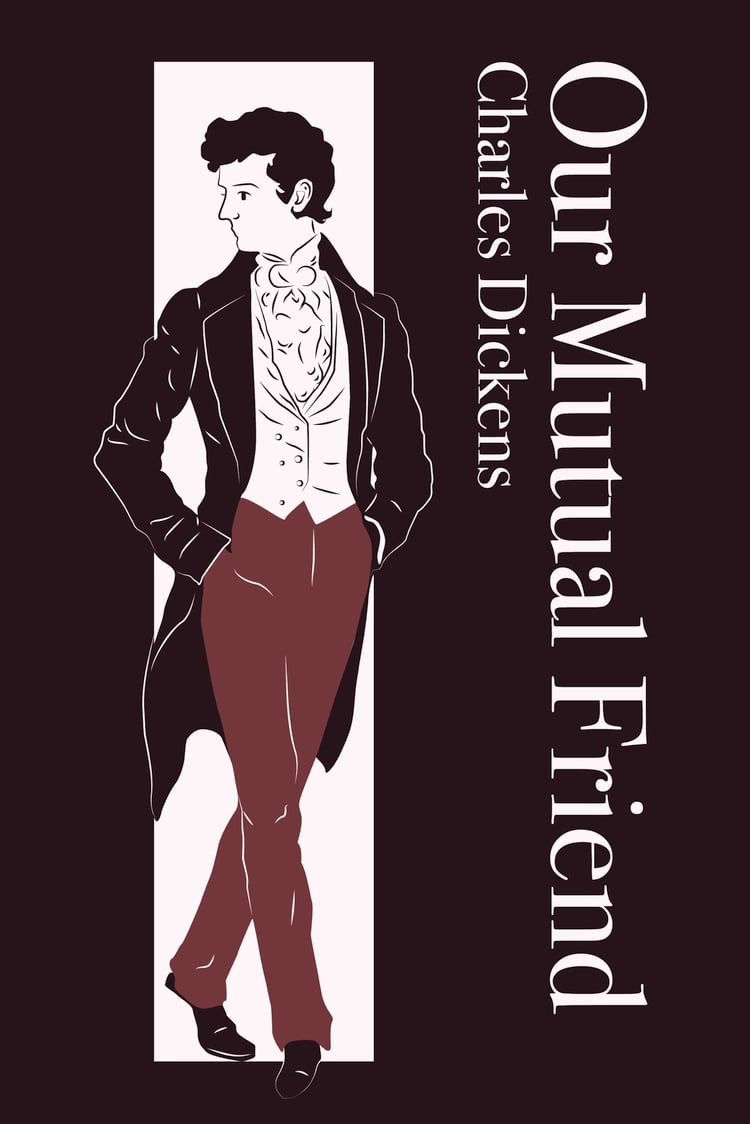
Charles Dickens’s Martin Chuzzlewit opens with a family at war with itself, each member circling the aging, wealthy Martin Chuzzlewit in hopes of inheriting his fortune. Into this tangle of vanity, scheming, and wounded pride steps young Martin, whose own ambition and self-regard soon send him tumbling into a world far harsher than he expects. Eager to carve out his destiny, he breaks with his grandfather and sets off in search of opportunity, only to discover that the world is full of people just as hungry, foolish, and fallible as he is.
What follows is a riotous adventure that carries Martin from England’s cramped parlors and bustling streets to the fevered swamps and promised illusions of America. Along the way, Dickens fills the stage with some of his most unforgettable characters: the unctuous, ever-so-oily Seth Pecksniff; the guileless Tom Pinch, whose quiet loyalty anchors the chaos; and a parade of hustlers, hypocrites, innocents, and eccentrics who reveal the best and worst of human nature. Through them all, Martin is forced—sometimes gently, sometimes brutally—to confront the limits of pride and the uncomfortable work of becoming wiser.
By turns wickedly funny and unexpectedly tender, Martin Chuzzlewit is Dickens at his satirical best, skewering greed and self-delusion while championing decency in all its humble forms. It’s a novel about stumbling into maturity, about seeing the world’s absurdity with new eyes, and about the slow, surprising redemption that arrives when a young man finally looks beyond himself.
About the author
Charles Dickens (1812–1870) was one of the most celebrated novelists of the Victorian era, renowned for his vivid storytelling, memorable characters, and sharp social criticism. Classics like Oliver Twist, A Tale of Two Cities, and Great Expectations showcase his mastery of drama, humor, and compassion for the marginalized. A keen observer of society, Dickens used his writing to expose injustice while entertaining millions with his wit and narrative genius. His works remain beloved worldwide, cementing his legacy as a literary icon.