
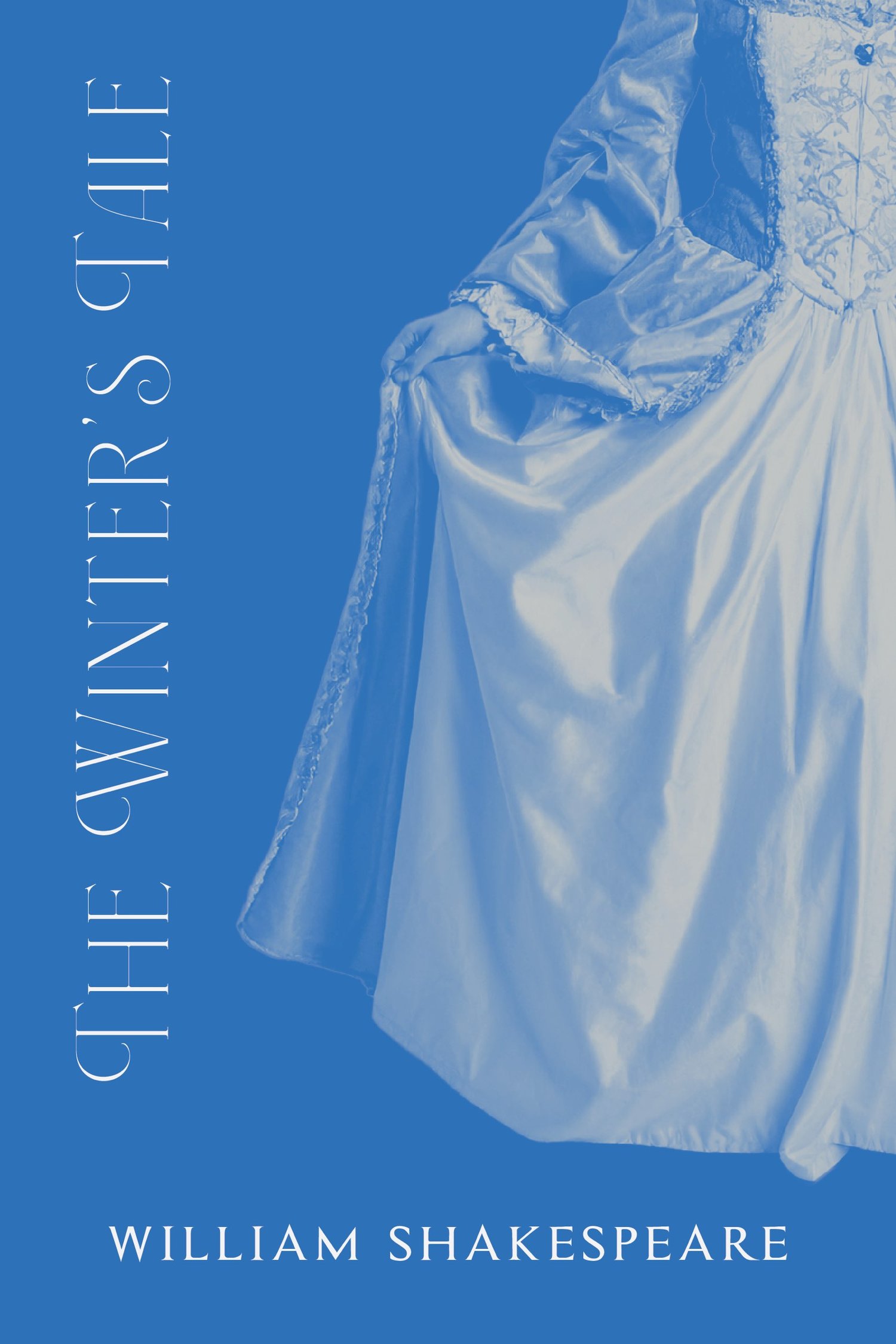
The Winter's Tale
William Shakespeare’s The Winter’s Tale begins as a psychological thriller. King Leontes of Sicilia is entertaining his lifelong best friend King Polixenes, who has been visiting for nine months. Suddenly, inexplicably, Leontes is consumed by jealousy, convinced that Polixenes and his pregnant wife Hermione are lovers, that the child she carries isn’t his, that everyone around him is complicit in his cuckolding. Shakespeare gives us no explanation, no gradual seduction into suspicion—just the terrifying spectacle of a reasonable man’s mind catastrophically breaking. Leontes moves fast: he tries to poison Polixenes, who escapes; imprisons Hermione; ignores his son Mamillius’s distress; and sends to the oracle of Apollo for confirmation of guilt. When Hermione gives birth in prison, he orders the baby girl abandoned in a remote wilderness to perish. The oracle declares Hermione innocent. Leontes dismisses it. His son dies of grief. Hermione collapses. He has destroyed everything he loves in a single act of irrational madness.
The play then does something extraordinary: it jumps sixteen years and transforms into a pastoral comedy. The abandoned infant Perdita has been found and raised by a Bohemian shepherd, growing into a radiant young woman who falls in love with Florizel, the prince of Bohemia, son of the very man Leontes accused. Their romance is tender and genuine, set against the festive world of shepherds and sheep-shearing, complete with the rogue Autolycus, Shakespeare’s most entertaining pickpocket, selling ballads and stealing purses. But when their love is discovered and forbidden by Florizel’s father, the young couple flees to Sicilia, setting in motion the events that will bring every surviving character back together for a reckoning with the past.
The final scene is one of theatre’s most transcendent moments. Leontes, who has spent sixteen years in genuine penitence, is taken to see a statue of Hermione, so lifelike it seems to breathe. As music plays, the statue descends and takes Leontes’s hand. Hermione lives. The explanation is deliberately thin—the point isn’t logic but miracle, the theatrical embodiment of time, penitence, and grace transforming what seemed irreversible. Perdita is restored to her parents, relationships are healed, and even the irreplaceable losses—Mamillius, the wasted years—are acknowledged rather than glossed over. The Winter’s Tale is Shakespeare’s meditation on time’s power to heal and destroy, on the catastrophic speed of jealousy versus the slow work of forgiveness, and on whether grace can restore what rage annihilates. It’s flawed, structurally daring, emotionally overwhelming, and one of his most profound achievements. If you believe in the possibility of redemption, even after devastating, inexcusable failure, this play will break and restore you simultaneously.
About the author
William Shakespeare (1564-1616) is widely regarded as the greatest writer in the English language and the world’s preeminent dramatist. Born in Stratford-upon-Avon, he wrote approximately 39 plays and 154 sonnets that have shaped literature, theater, and the English language itself for over four centuries. His works, from tragedies like Hamlet and King Lear to comedies like A Midsummer Night’s Dream and histories like Henry V, explore the full range of human experience with unmatched psychological insight, poetic brilliance, and emotional power. Shakespeare’s influence extends far beyond the stage; his phrases and characters have become woven into the fabric of modern culture, and his exploration of timeless themes—love, power, ambition, jealousy, mortality—continues to resonate with audiences worldwide. Despite the passage of centuries, his work remains startlingly contemporary, speaking to each new generation with fresh relevance and inexhaustible depth.