
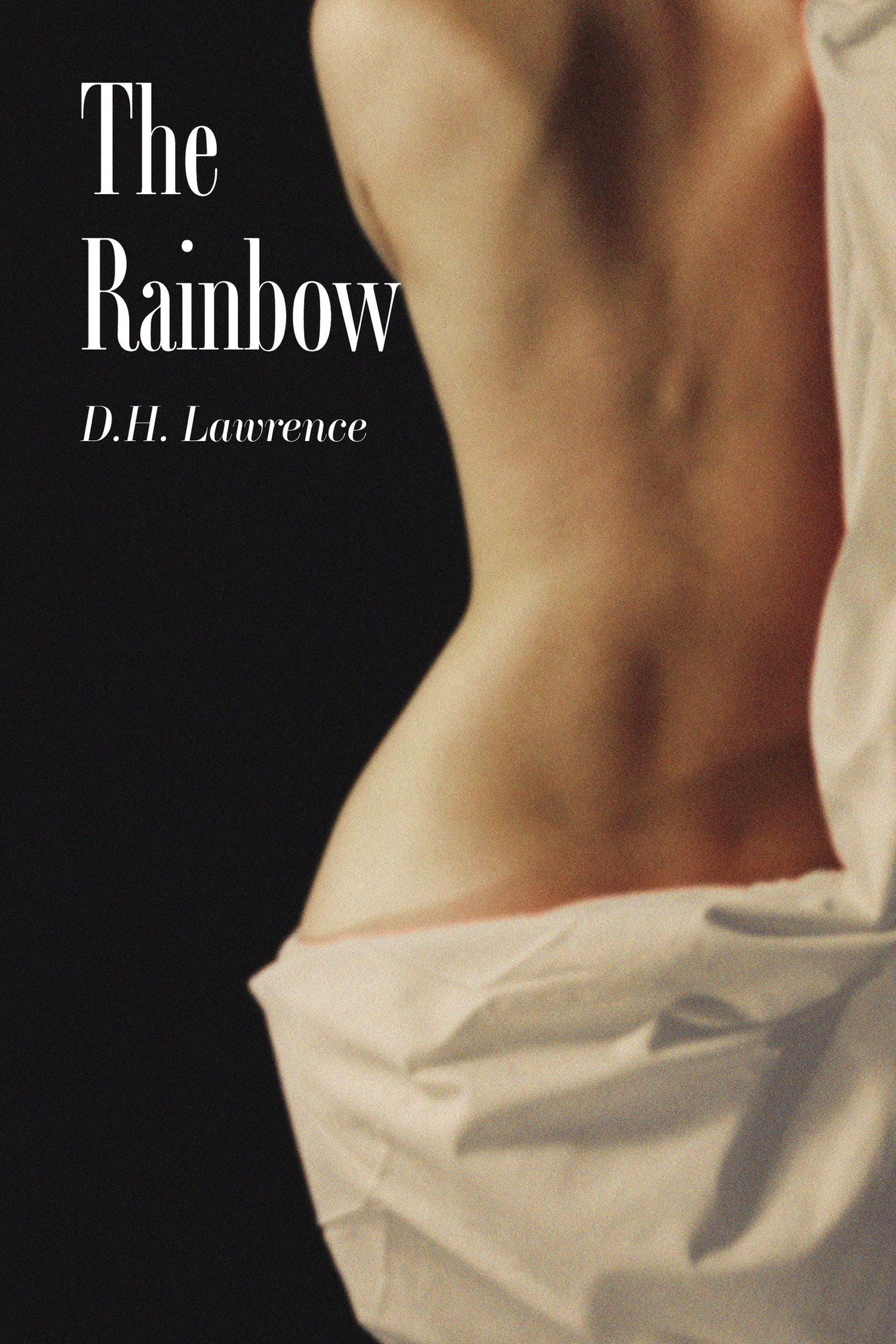
The Rainbow
D. H. Lawrence’s The Rainbow traces three generations of the Brangwen family as they reach toward something beyond the narrow confines of English provincial life. Beginning on a Nottinghamshire farm, the novel follows the family’s yearning for connection and transcendence—from earthy passions and spiritual hunger to the restless pursuit of individuality. Each generation embodies the eternal conflict between the sensual and the spiritual, the domestic and the infinite.
At its heart is Ursula Brangwen, a fiercely independent woman whose awakening mirrors the novel’s own rebellion against convention. Through her eyes, Lawrence explores the tumult of early twentieth-century modernity—the changing roles of women, the tension between industrial progress and inner freedom, and the search for meaning in a rapidly shifting world. Her journey from innocence to defiance becomes a broader meditation on the human condition itself.
Written in luminous, lyrical prose, The Rainbow pulses with the rhythms of life and the ache of desire. It is both an intimate family saga and a bold philosophical work, a hymn to the mystery of growth and the painful beauty of becoming. Few novels have captured with such intensity the radiance and turbulence of what it means to be alive.
About the author
D. H. Lawrence (1885–1930) was an English novelist, poet, and essayist whose work explored the complexities of human emotion, sexuality, and the struggle for personal freedom. A controversial figure in his time, Lawrence’s unflinching portrayals of desire and social constraint challenged early twentieth-century conventions. His major works, including Sons and Lovers, The Rainbow, Women in Love, and Lady Chatterley’s Lover, cemented his reputation as one of the most original and fearless voices in modern literature.