
Sons and Lovers
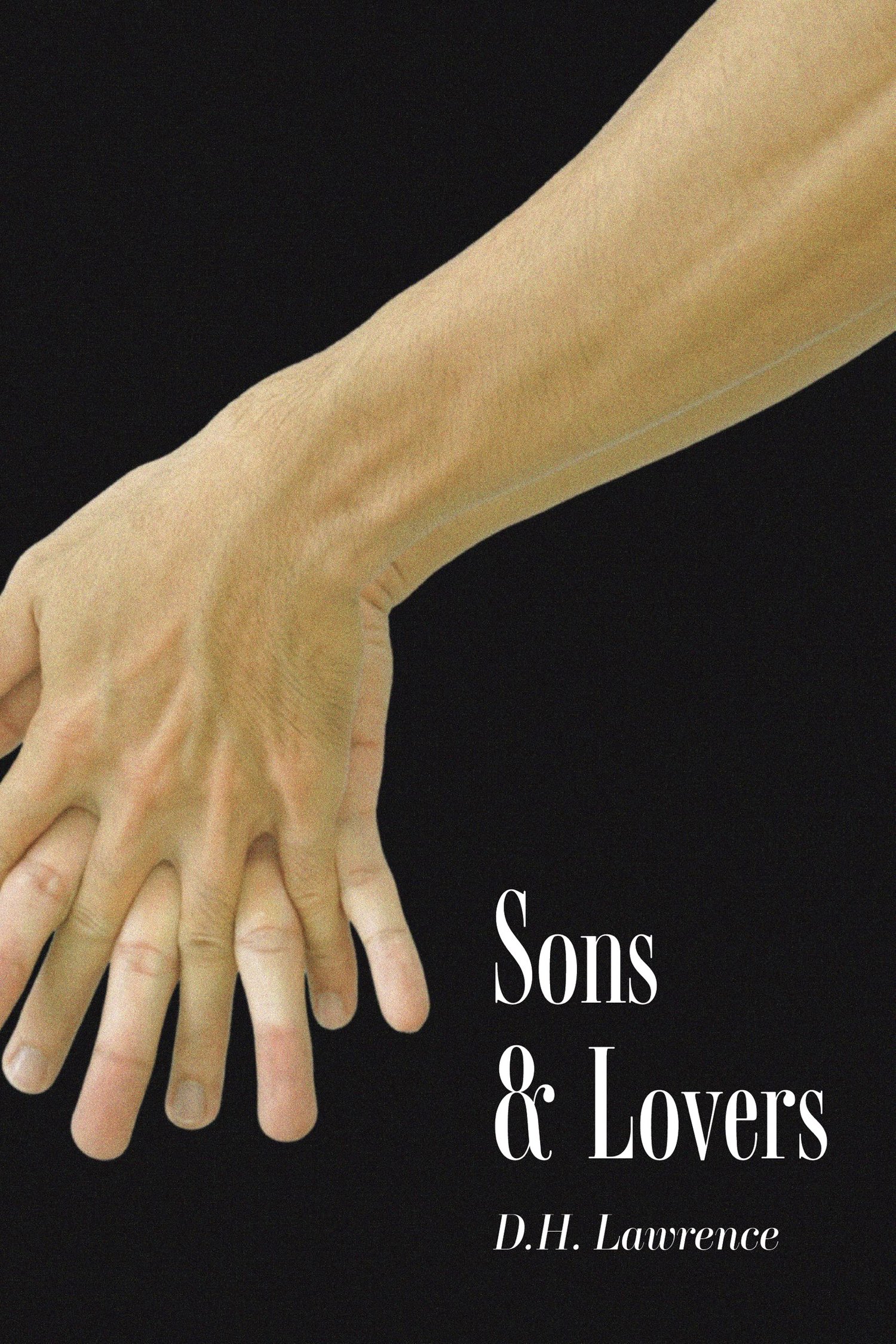
D. H. Lawrence’s Sons and Lovers is a hauntingly intimate portrait of a young man torn between the pull of his mother’s fierce devotion and his own longing for independence. Set against the backdrop of a working-class mining town in early twentieth-century England, the novel follows Paul Morel as he navigates love, ambition, and the suffocating grip of family ties. Lawrence renders this world with such immediacy that the air itself seems thick with coal dust, resentment, and yearning—a vivid landscape where passion and repression coexist uneasily.
At the center of the story is the profound bond between Paul and his mother, Gertrude Morel—a woman whose unfulfilled dreams are projected onto her son. As Paul matures, he becomes the vessel of her hopes, even as his relationships with two very different women—Miriam, the spiritual idealist, and Clara, the sensual realist—pull him in opposing directions. In his emotional confusion, Paul embodies the painful awakening of modern consciousness, caught between the security of the past and the perilous freedom of selfhood.
With psychological depth and lyrical intensity, Sons and Lovers captures the eternal conflict between love and independence, duty and desire. It is both a deeply personal confession and a universal story of growing up—of breaking away from those who shape us, yet forever bearing their imprint. Lawrence’s masterpiece remains one of the most penetrating explorations of family, class, and the fragile architecture of the human heart.
About the author
D. H. Lawrence (1885–1930) was an English novelist, poet, and essayist whose work explored the complexities of human emotion, sexuality, and the struggle for personal freedom. A controversial figure in his time, Lawrence’s unflinching portrayals of desire and social constraint challenged early twentieth-century conventions. His major works—including Sons and Lovers, The Rainbow, Women in Love, and Lady Chatterley’s Lover—cemented his reputation as one of the most original and fearless voices in modern literature.