
A Room of One's Own
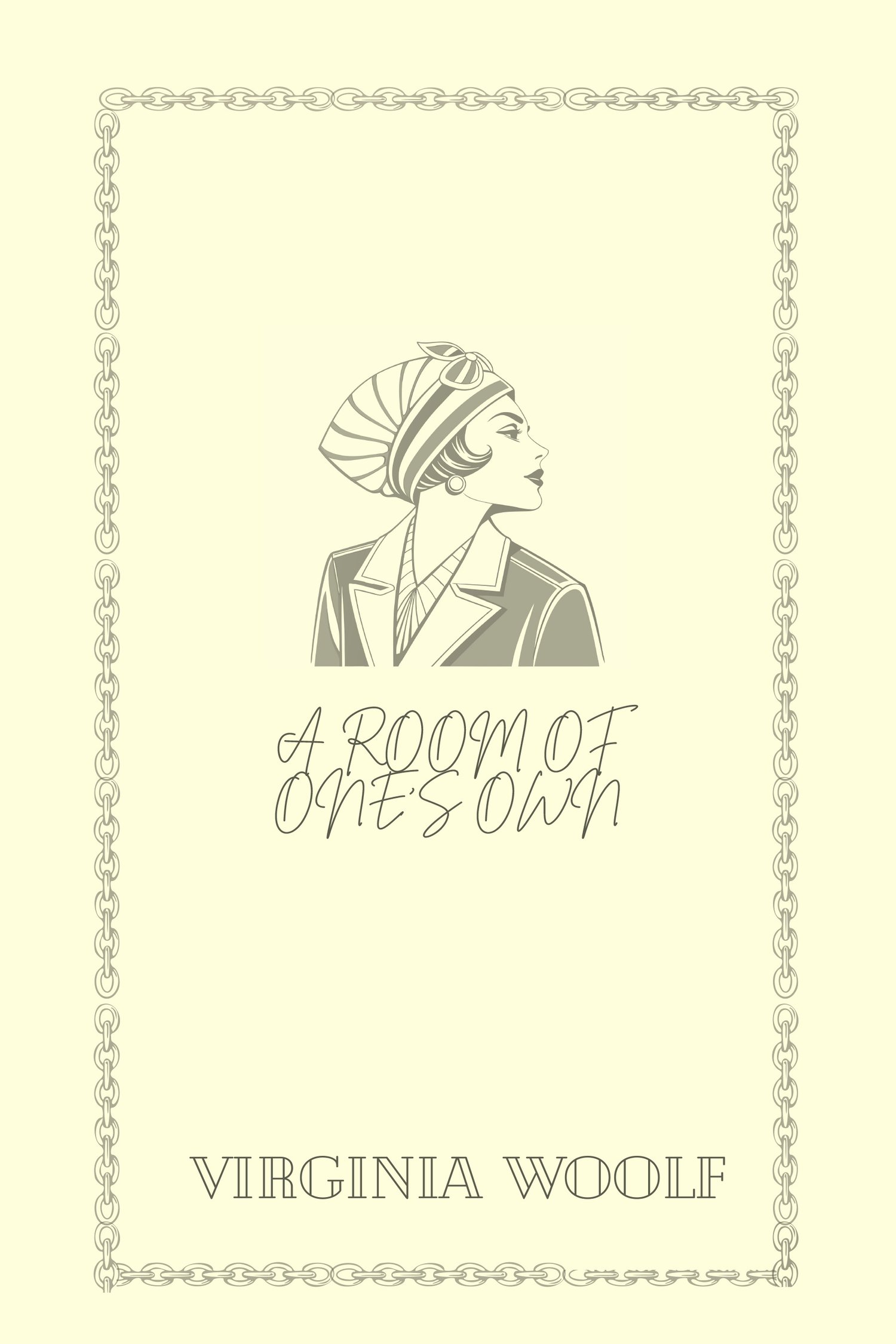
Virginia Woolf’s A Room of One’s Own is a groundbreaking meditation on women, creativity, and the social structures that shape both. Born from a series of lectures Woolf delivered in 1928, the book imagines a world where women have the same access to education, income, and independence as men, and considers how history, economics, and social expectation have constrained female artistic expression. With wit, clarity, and incisive intellect, Woolf blends fiction, essay, and personal reflection to explore the conditions necessary for women to write and think freely.
Woolf’s writing is at once lyrical and sharp, weaving storytelling with incisive cultural critique. She conjures fictional scenarios, including the imagined life of a gifted woman writer named Judith Shakespeare, to illustrate how talent can be stifled by circumstance. Each chapter layers history, philosophy, and personal insight to reveal the often invisible barriers women face, while celebrating the courage and resilience required to overcome them.
More than a treatise, A Room of One’s Own is a call to imagination and independence. It invites readers to reflect on the power of space—both physical and intellectual—as the foundation for creativity and self-determination. Timeless and revolutionary, Woolf’s work remains a vital touchstone in understanding gender, literature, and the enduring quest for personal and artistic freedom.
About the author
Virginia Woolf (1882–1941) was one of the most influential writers of the 20th century and a pioneering figure of literary modernism. Her works, including To the Lighthouse and Orlando, are celebrated for their psychological depth and experimental narrative techniques, which continue to inspire readers and writers worldwide.