
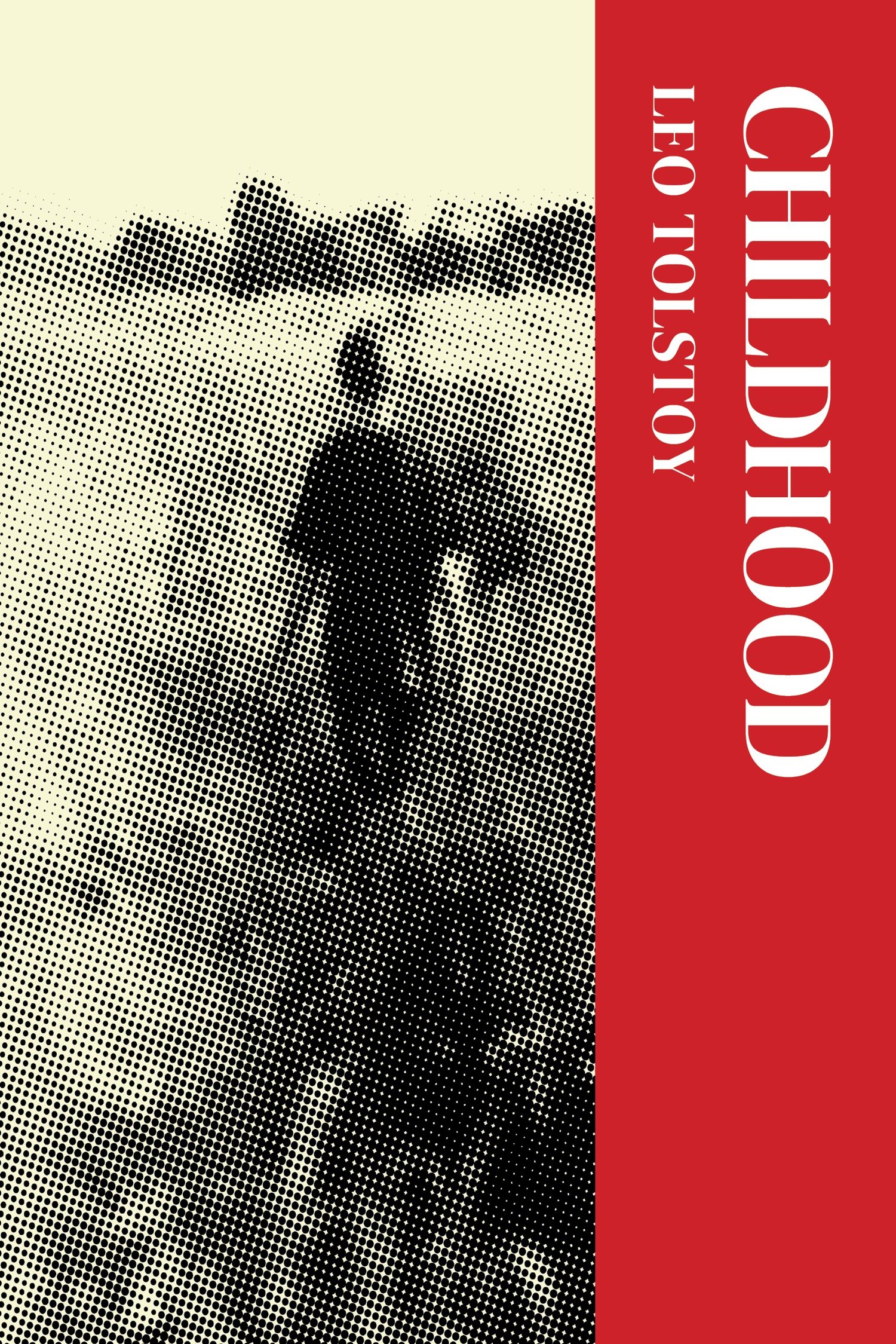
Childhood
Leo Tolstoy’s Childhood, published in 1852, launched one of literature’s greatest careers with remarkable maturity. The 24-year-old author created Nikolenka Irtenev, a ten-year-old boy from the provincial aristocracy whose inner life Tolstoy renders with extraordinary psychological precision. These aren’t childhood memories filtered through adult nostalgia—Tolstoy inhabits the child’s consciousness completely, capturing how small humiliations feel catastrophic, how love for parents mingles with resentment, how shame over physical appearance can dominate entire days. Nikolenka adores his gentle mother, admires his stern father with anxious distance, competes with his brother, experiences his first romantic feelings, and slowly discovers that the adult world he trusts is built on compromises and flaws he doesn’t yet understand.
The narrative covers ordinary events—lessons with tutors, family gatherings, moving from country estate to Moscow, childhood games and quarrels—but Tolstoy transforms them through relentless attention to emotional truth. He shows how children construct elaborate moral universes from limited understanding, how they feel responsible for things beyond their control, how quickly they move between states of joy and misery. A beloved servant dies, and Nikolenka grapples with genuine grief mixed with uncomfortable awareness that he’s also performing grief. His first visit to a friend’s family reveals class differences he’s never had to consider. Each experience builds his understanding while preserving the fundamental mystery of how consciousness forms itself.
Published semi-autobiographically (many details mirror Tolstoy’s own childhood), Childhood established the psychological realism that would define Russian literature. This isn’t Dickensian sentimentality or Romantic idealization—it’s unsentimental, emotionally complex, and ruthlessly honest about how we become ourselves. The novella was the first part of a trilogy (followed by Boyhood and Youth), but it stands alone as a complete achievement: the moment young Tolstoy discovered his voice and proved he understood something fundamental about consciousness, memory, and moral development. For readers wanting to see where Tolstoy’s genius began, or anyone interested in how great writers capture the formation of self, Childhood is essential—a beautiful, intimate novella that contains the seeds of everything Tolstoy would later master.
About the author
Leo Tolstoy (1828–1910) was one of Russia’s most celebrated novelists and thinkers, renowned for his deep philosophical inquiries and unparalleled storytelling. His masterpieces, including War and Peace and The Death of Ivan Ilyich, continue to captivate readers for their profound insight into the human condition and their sweeping portrayals of life’s triumphs and tragedies.