
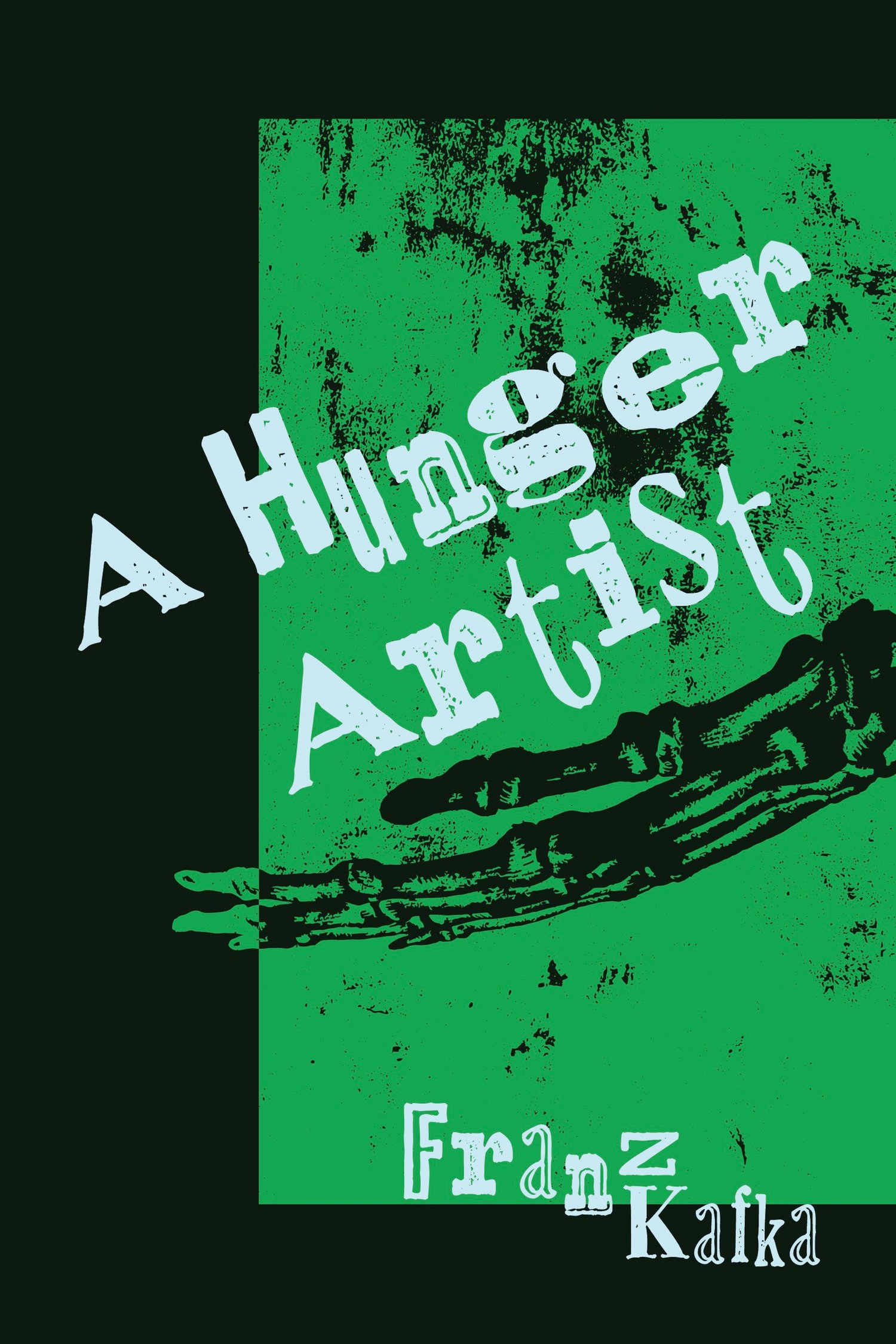
A Hunger Artist
In A Hunger Artist, Franz Kafka presents a haunting exploration of art, isolation, and the human desire for recognition. The story follows a professional hunger artist whose extraordinary fasting performances draw crowds for a time, only to find public interest waning as tastes shift and spectacle gives way to the mundane. Kafka charts the artist’s obsessive dedication to his craft, his increasing estrangement from spectators, and the slow, painful erosion of his purpose in a world that misunderstands—or forgets—him.
Kafka’s prose is precise and unflinching, blending irony, dark humor, and psychological insight. The narrative examines the paradox of devotion: the hunger artist’s refusal to compromise elevates him artistically while simultaneously alienating him socially. Through meticulous attention to the absurdity of his situation, Kafka interrogates themes of self-imposed discipline, the fleeting nature of fame, and the gap between the inner life and external perception.
Ultimately, A Hunger Artist is a meditation on human obsession, societal indifference, and the often unbridgeable distance between artistic intention and audience comprehension. Kafka transforms a seemingly simple story of a performer into a profound reflection on isolation, existential longing, and the cost of unwavering commitment. The tale is haunting, ironic, and deeply resonant, leaving readers to grapple with the subtle cruelties of both human ambition and human neglect.
About the author
Franz Kafka (1883–1924) was a Czech writer whose profound and unsettling works remain landmarks of 20th-century literature. Blending absurdity, existentialism, and social critique, Kafka’s stories, including The Trial, The Metamorphosis, and The Castle, explore themes of alienation, power, and the human struggle for significance. His unique vision continues to inspire and challenge readers, shaping literary thought across generations.