
Under the Greenwood Tree
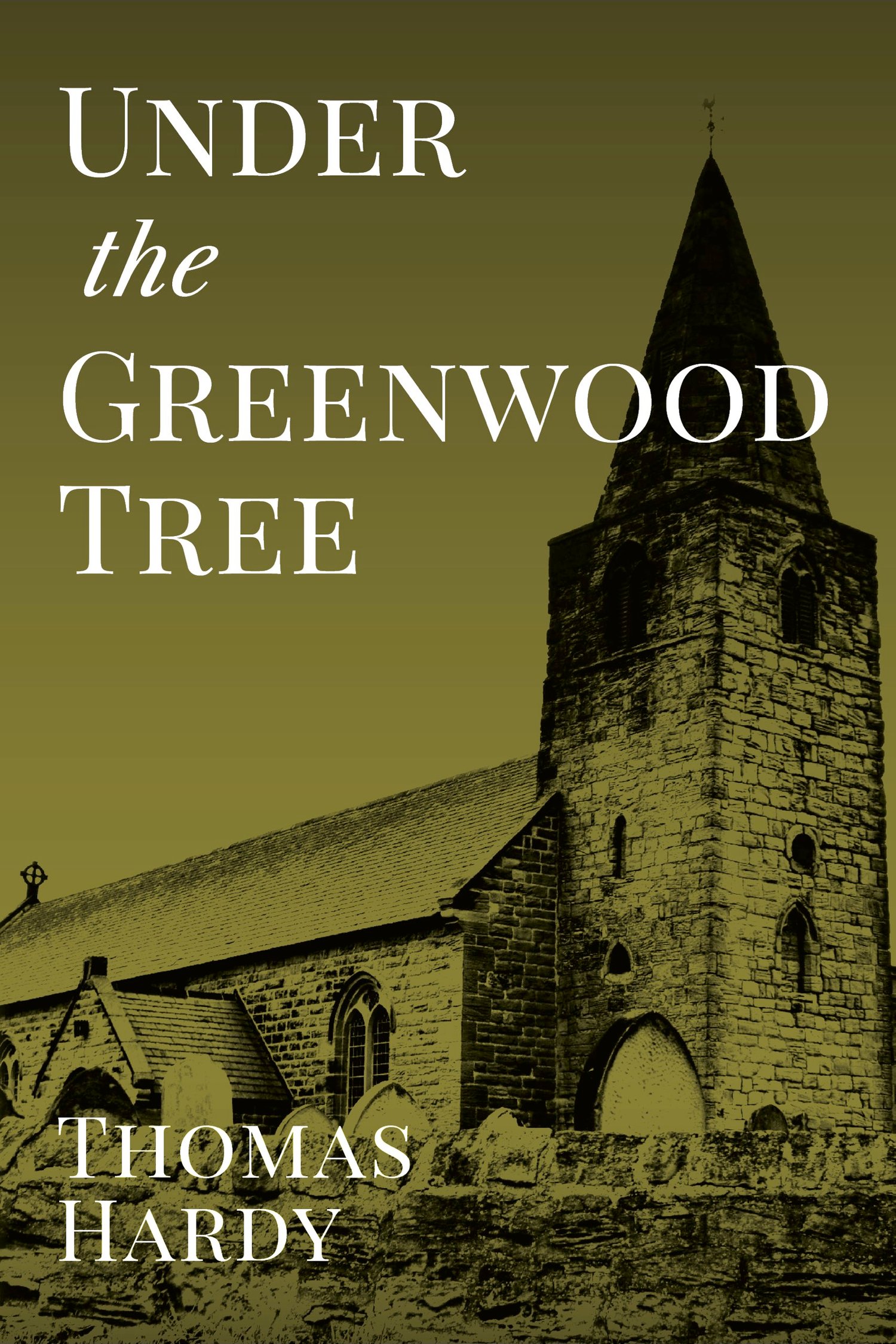
Under the Greenwood Tree is Thomas Hardy’s gentle and lyrical portrait of love, tradition, and a rural world on the cusp of change. Set in a quiet English village, the novel follows the budding romance between Dick Dewy, a warm-hearted young musician, and Fancy Day, an intelligent and ambitious schoolteacher whose arrival subtly unsettles village life. Through winter dances, church gatherings, and whispered courtship, Hardy evokes a community bound by custom, music, and shared memory.
At the heart of the story is the tension between continuity and progress. The village choir, with its long-standing rituals and informal harmonies, faces replacement by modern methods, mirroring the personal choices confronting its inhabitants. As Dick and Fancy navigate love and expectation, Hardy gently explores class, ambition, and the quiet costs of social advancement, all without the tragic weight of his later novels.
Light in tone yet quietly reflective, Under the Greenwood Tree captures a disappearing England with affection and grace. It is a novel of small moments and sincere emotions, where happiness is possible not through drama, but through patience, understanding, and shared belonging. Hardy offers a pastoral romance that celebrates the beauty of ordinary lives and the fragile balance between tradition and change.
About the author
Thomas Hardy (1840–1928) was an English novelist and poet whose work explored the harsh pressures of class, convention, and fate on individual lives. Best known for novels such as Tess of the D’Urbervilles and Jude the Obscure, he challenged Victorian moral certainty with an unflinching realism that often provoked controversy. In later life, he turned primarily to poetry, leaving behind a body of work marked by compassion, pessimism, and enduring psychological depth.