Exploring Diverse Surfaces : Painting on Canvas, Paper, and Beyond
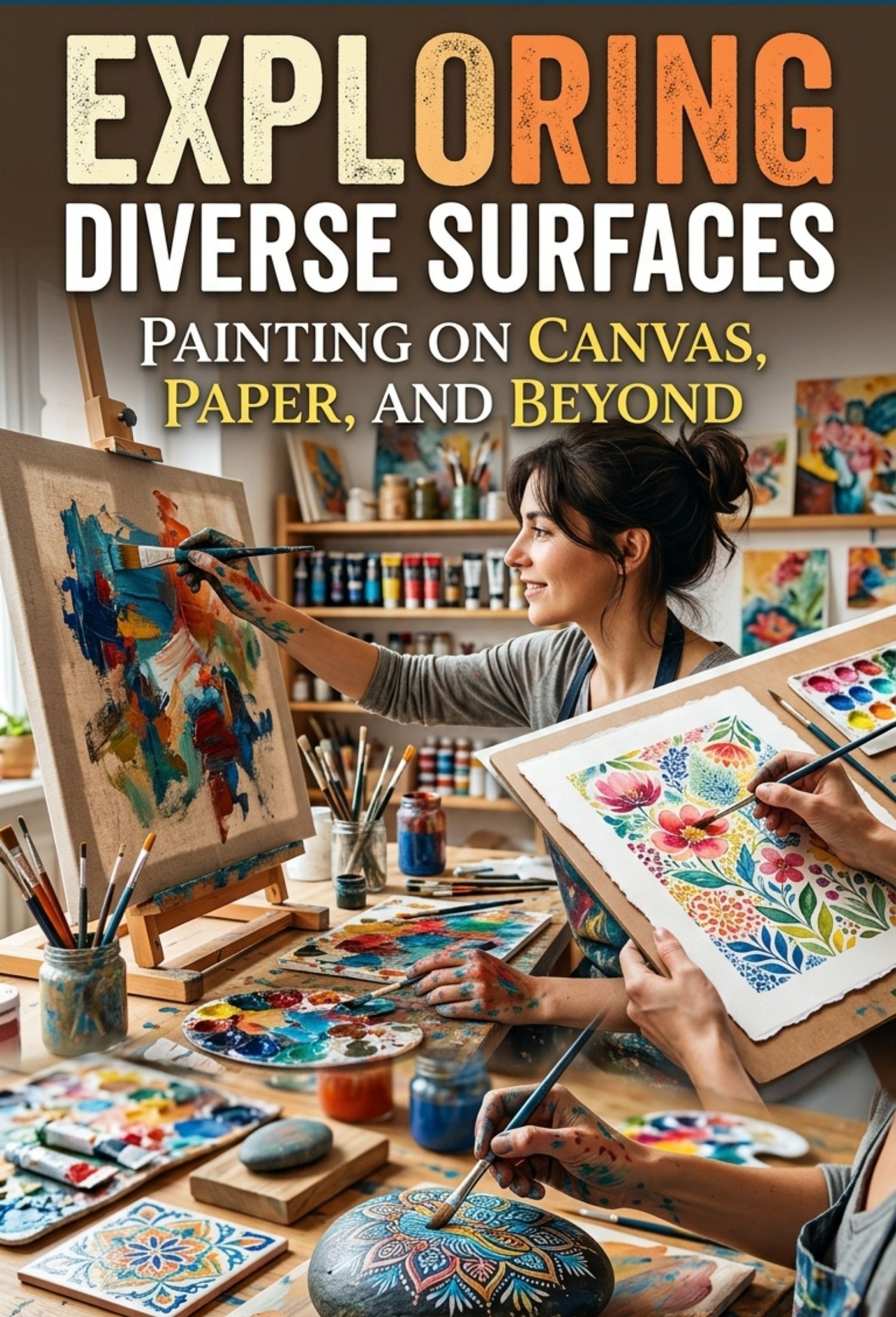
Exploring diverse surfaces for painting, such as canvas, paper, and other unconventional materials, offers a wide range of possibilities for artistic expression. Each surface brings its own unique texture, absorbency, and characteristics that can influence the final result of a painting.
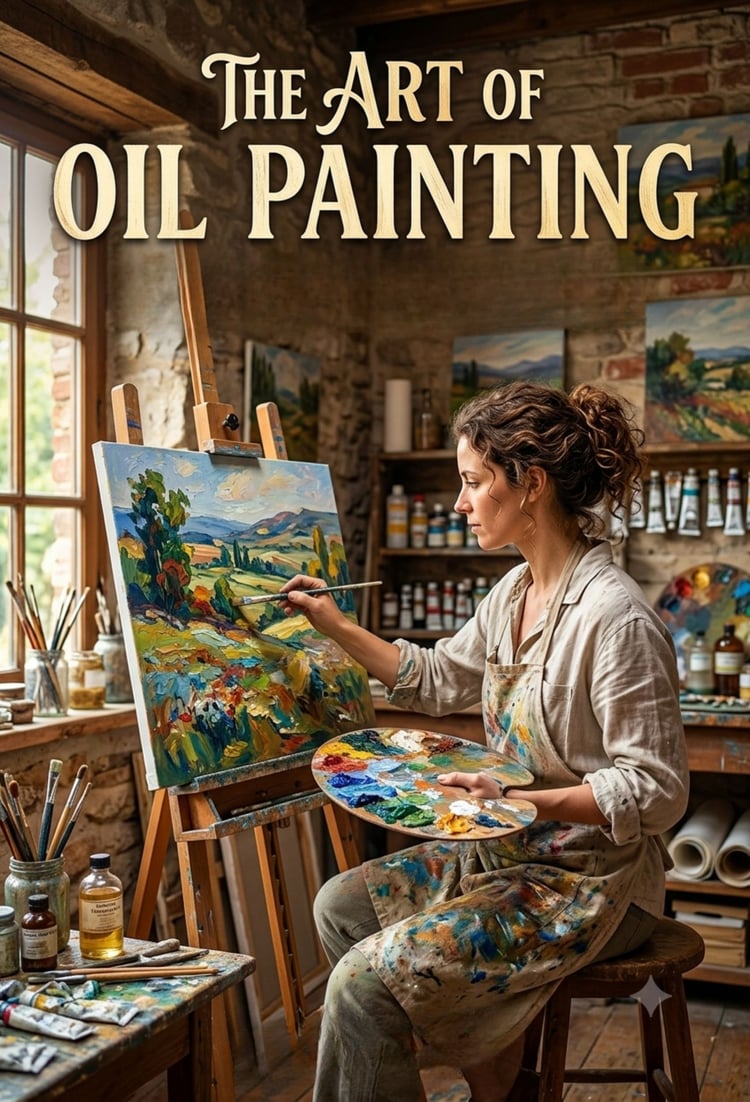
Canvas, known for its durability and versatility, is a popular choice among artists. Its woven texture allows for different painting techniques like impasto (thick paint application) or glazing (thin, transparent layers). Acrylics and oils are commonly used on canvas due to their compatibility with its texture.
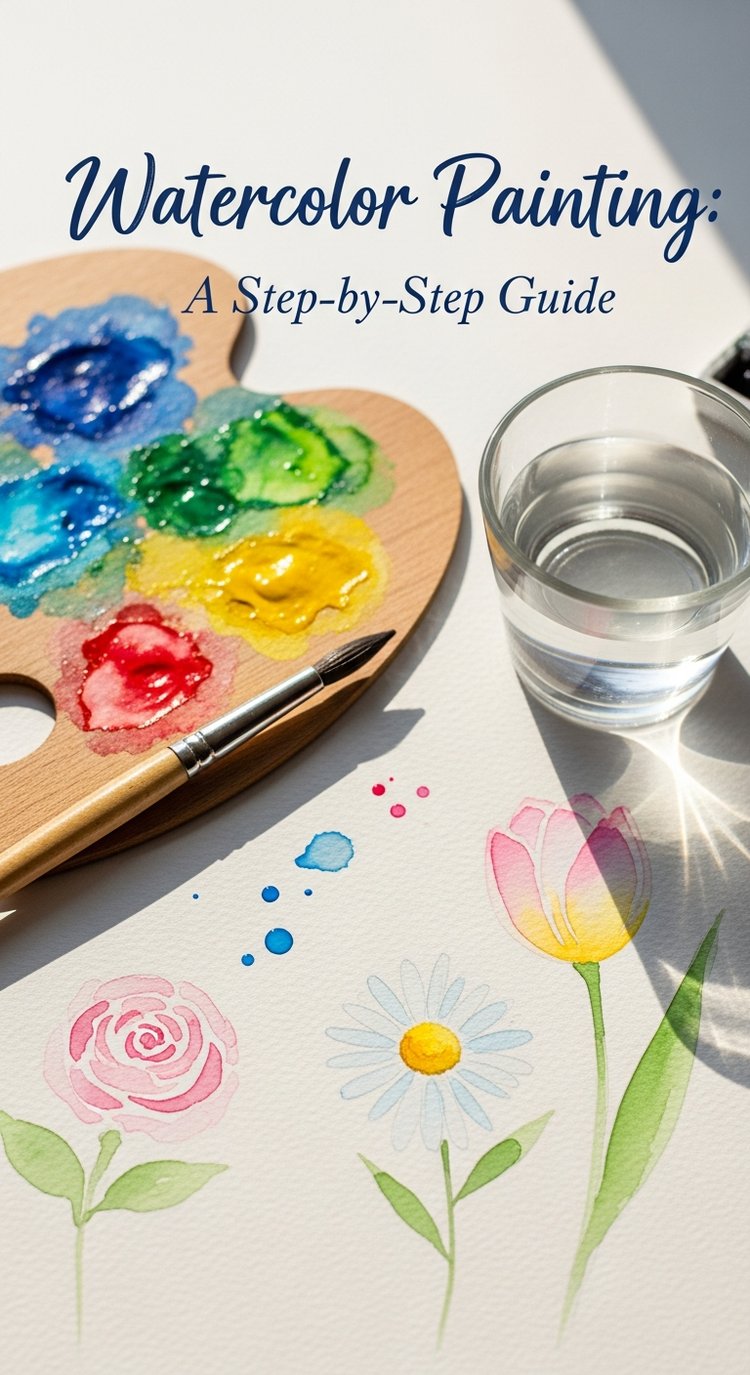
Paper, on the other hand, offers a smoother surface compared to canvas. Watercolor and gouache artists often prefer high-quality watercolor paper for its ability to hold water-based paints without warping or deteriorating.
Beyond these traditional surfaces, artists have ventured into painting on wood, metal, glass, fabric, and even recycled materials. Each of these surfaces presents unique challenges and opportunities for creativity. For example, painting on wood may require priming to ensure paint adhesion, while painting on glass might involve using specialized paints to achieve transparency or opacity.
Experimenting with diverse surfaces encourages artists to push boundaries and discover new techniques. It also allows for innovation and the creation of mixed-media artworks by combining different materials in a single piece.
Understanding how different surfaces interact with various paint mediums can greatly expand an artist's repertoire and foster exploration in the realm of art.