
Silverfish: Complete Guide to This Common Household Pest
Introduction to Silverfish
Silverfish are among the oldest insects still living on Earth today. These small, wingless pests are well known for their shiny silver color and quick, fish-like movements. Many homeowners notice a Silverfish crawling across bathroom floors, kitchen cabinets, or storage spaces late at night. Although they do not bite humans or spread diseases, they can become a frustrating problem when they invade homes in large numbers.
The Silverfish has survived for millions of years because it adapts easily to indoor environments. Warm, damp, and dark spaces make the perfect hiding place for these insects. Because they move quickly and often stay hidden during the day, many people do not realize they have a Silverfish problem until damage begins to appear on paper, fabrics, or food packaging.
What Does a Silverfish Look Like?
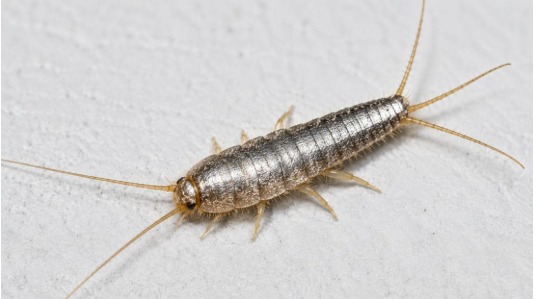
A Silverfish has a long, flat body covered with tiny metallic scales that reflect light. Most adults grow between half an inch and one inch in length. Their bodies taper toward the back, giving them a shape similar to a fish. They also have two long antennae at the front and three bristle-like tails at the rear.
The unique movement of a Silverfish is one reason for its name. Instead of walking like many insects, it wiggles side to side while moving rapidly. This smooth motion makes it look like a swimming fish. Their bodies are usually silver or gray, but younger Silverfish may appear white or light brown before reaching maturity.
Where Silverfish Live
Silverfish prefer humid and dark environments. Inside homes, they are commonly found in bathrooms, kitchens, basements, attics, laundry rooms, and storage closets. Any area with moisture problems can attract a Silverfish population.
These pests hide in cracks, behind wallpaper, under sinks, inside bookshelves, and around old cardboard boxes. If there is a water leak or poor ventilation, the chance of finding Silverfish increases. They are also common in older homes where small gaps and hidden spaces provide ideal shelter.
Outside the home, Silverfish may live under rocks, leaves, or tree bark. However, they often move indoors searching for food and moisture.
What Silverfish Eat
A Silverfish feeds mainly on carbohydrates, sugars, and starchy materials. This means they are attracted to many common household items. Paper, glue, books, wallpaper paste, flour, cereal, and pet food are favorite food sources.
Silverfish can also damage clothing made from cotton, linen, or silk when natural fibers contain starches. In some homes, they chew through important documents, photographs, or stored books. Their feeding habits make them more destructive than many people realize.
Because a Silverfish can survive long periods without food, removing their food supply alone may not eliminate them completely.
Are Silverfish Harmful?
Silverfish are not dangerous to humans in the way that mosquitoes or cockroaches can be. They do not bite, sting, or transmit diseases. However, a Silverfish infestation can still create problems inside the home.
Their main harm comes from damaging household belongings. Books, wallpaper, stored clothing, and dry pantry goods can all be affected. In libraries, archives, and storage rooms, Silverfish are considered serious pests because they destroy valuable paper materials.
Some people may also feel uncomfortable seeing these insects suddenly appear at night, especially in bathrooms or bedrooms.
Signs of a Silverfish Infestation
Since Silverfish hide during daylight hours, you may not see them often. There are several clues that can indicate their presence. Small holes in paper, yellow stains, shed scales, and tiny droppings that resemble black pepper are common signs.
You may also notice Silverfish running quickly when turning on lights in a dark room. If several insects are seen regularly, there may be a growing infestation that needs attention.
How to Get Rid of Silverfish
The best way to control Silverfish is by reducing moisture and removing hiding places. Repair leaking pipes, improve ventilation, and use a dehumidifier in damp rooms. Keeping bathrooms and kitchens dry is very important.
Store books, papers, and clothing in sealed plastic containers whenever possible. Vacuum cracks, corners, and baseboards regularly to remove eggs and food debris. Clean pantry shelves and keep dry foods in airtight containers.
Natural options such as cedar, bay leaves, or diatomaceous earth may help discourage Silverfish activity. Sticky traps can also be useful for monitoring numbers. If the infestation becomes severe, professional pest control services may be the most effective solution.
How to Prevent Silverfish from Returning
Prevention is easier than dealing with an infestation later. Keep your home clean, dry, and well ventilated. Seal cracks in walls, around pipes, and near windows where Silverfish can enter or hide.
Avoid storing piles of old newspapers, cardboard boxes, or unused books in damp areas. Regular cleaning and humidity control greatly reduce the chance of future Silverfish problems.
Conclusion
Silverfish are ancient insects that continue to thrive in modern homes because they love dark, moist environments and feed on everyday household materials. While they do not harm people directly, a Silverfish infestation can damage books, clothing, and pantry goods. Understanding where they live, what they eat, and how to control them is the key to keeping your home pest-free. With proper cleaning, moisture control, and prevention methods, you can successfully protect your space from Silverfish.