

Creating a Personalized Custom Home in San Antonio
Section 1: Understanding Custom Homebuilding
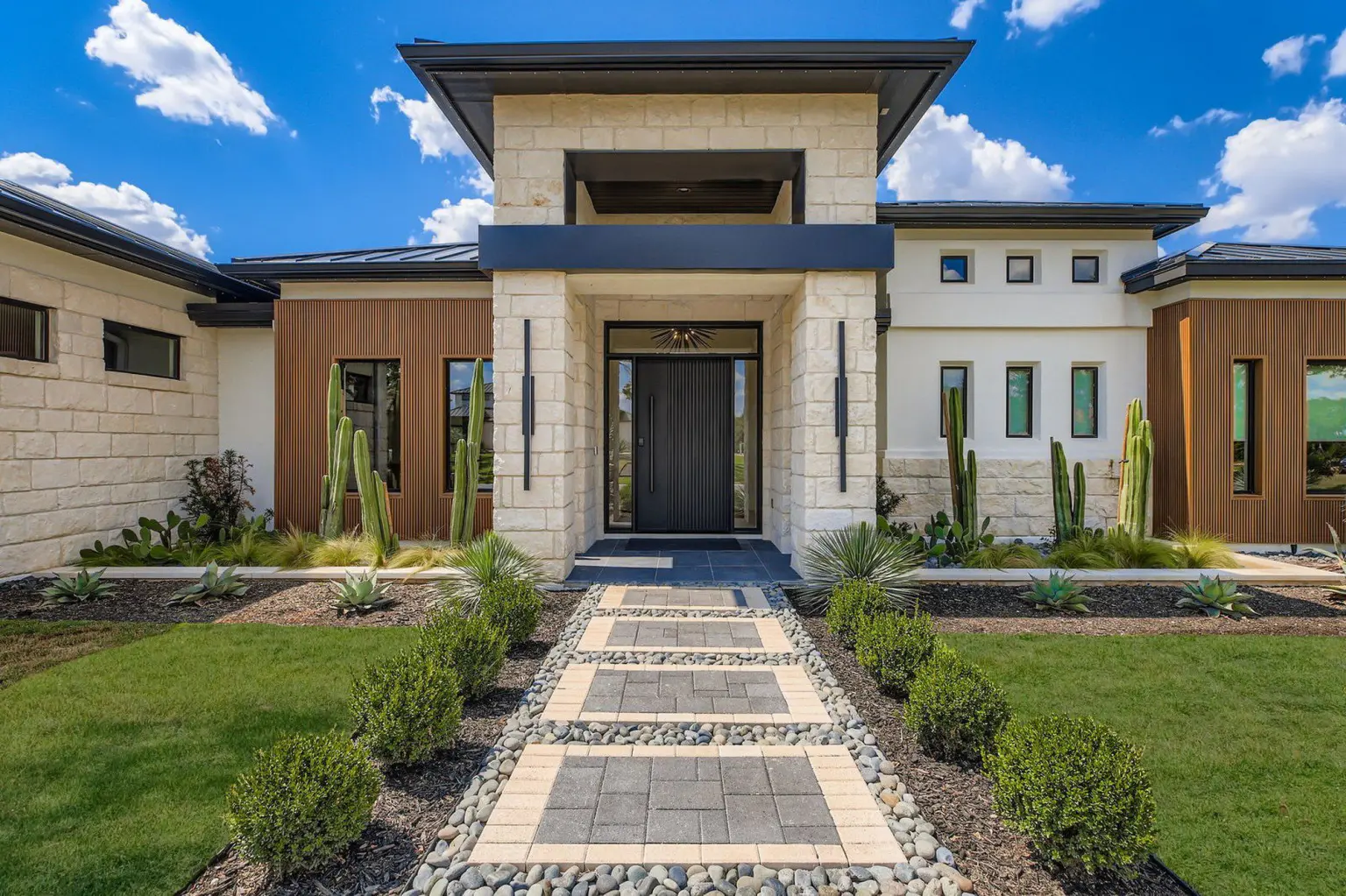
A dream home often begins with a simple idea: finding a space that feels genuinely suited to everyday life. Custom homebuilding turns that idea into a detailed plan shaped around lifestyle, property, and personal priorities. McNair Custom Homes in San Antonio can be considered within this approach, where thoughtful planning is important from the earliest design discussions. Building a house involves numerous decisions involving layout, materials, functionality, energy efficiency, and future needs. The main consideration is creating a practical relationship between the chosen lot, architectural design, construction requirements, and the people who will eventually occupy the home.
Section 2: Designing Around Individual Needs
One significant advantage of custom construction is the opportunity to make decisions about how different areas of a home function. McNair Custom Homes in San Antonio represents an approach in which homeowners can consider room sizes, storage requirements, entertaining spaces, bedrooms, offices, kitchens, and outdoor connections during the planning stage. Rather than adapting an existing floor plan to a particular property, a custom design can be developed with the site's characteristics in mind. This process requires communication between homeowners, designers, builders, and other professionals to establish priorities, manage expectations, and develop realistic plans before construction begins.
Section 3: Evaluating the Building Lot
The lot itself can influence many aspects of a home's eventual design. Factors such as dimensions, slope, orientation, access, drainage, utilities, surrounding structures, and neighborhood requirements can affect construction decisions. A careful site evaluation can help identify opportunities as well as potential challenges before plans are finalized. Sunlight direction may influence window placement, while existing trees or unusual terrain could affect the building footprint. Understanding these conditions early can reduce surprises later. Effective custom home planning therefore considers the relationship between the proposed structure and its physical surroundings rather than treating the building site as an afterthought.
Section 4: Building Directly on Your Property
Homeowners who already own a suitable piece of land may prefer a construction process centered specifically on that property. The option to build on your lot with McNair Custom Homes can involve coordinating design decisions with the site's characteristics, local requirements, and construction logistics. Building on an existing lot may require assessments concerning utilities, soil, drainage, access, and applicable restrictions. These details can influence budgets and schedules, making early investigation valuable. A clear understanding of site conditions allows homeowners to discuss realistic possibilities and determine how architectural preferences can work within the practical limitations of the property.
Section 5: Balancing Design and Budget
Custom construction provides flexibility, but every design choice can affect project costs. When homeowners build on your lot with McNair Custom Homes, establishing priorities early can help organize decisions around essential features, preferred finishes, structural requirements, and optional upgrades. Budget planning should account for more than the visible construction itself because site preparation, permits, utility connections, landscaping, and other expenses may also influence the overall investment. A realistic budget can provide a framework for comparing alternatives. Transparent discussions about allowances, materials, timelines, and potential changes can also help reduce misunderstandings throughout the construction process.
Section 6: Selecting Materials and Features
Material selection affects a home's appearance, durability, maintenance requirements, and long-term performance. Flooring, roofing, windows, cabinetry, countertops, fixtures, insulation, doors, and exterior finishes each contribute to the character of a completed property. Homeowners can consider how materials perform within local weather conditions and how frequently different surfaces may require maintenance. Energy-efficient windows, appropriate insulation, efficient lighting, and modern appliances may also influence operating costs over time. Thoughtful selection involves balancing aesthetics with practicality instead of choosing products based solely on appearance. Long-term use should remain an important consideration during every specification decision.
Section 7: Importance of Communication During Construction
Communication remains important after design work is completed and construction begins. Changes, questions, material availability, inspections, and scheduling considerations can arise during a building project, making regular updates useful for everyone involved. Homeowners can benefit from understanding major construction stages, including site preparation, foundation work, framing, mechanical systems, interior finishing, and final inspections. Documentation can also help clarify approved selections and changes. A structured communication process allows concerns to be identified earlier and provides opportunities to address decisions before they affect subsequent work. Clear expectations can contribute to a more organized construction experience from beginning to completion.
Conclusion: Planning a Home for Long-Term Living
A custom home is shaped by more than architectural appearance. The lot, floor plan, budget, materials, construction process, and future lifestyle requirements all contribute to the final result. Homeowners can research available approaches, evaluate their property carefully, establish realistic financial expectations, and communicate priorities clearly before construction starts. For those seeking additional information about custom residential construction, Mcnaircustomhomes.com can be reviewed as part of the research process. Careful planning can help align personal preferences with practical construction requirements, creating a home environment designed around functionality, comfort, property characteristics, and long-term residential needs.