
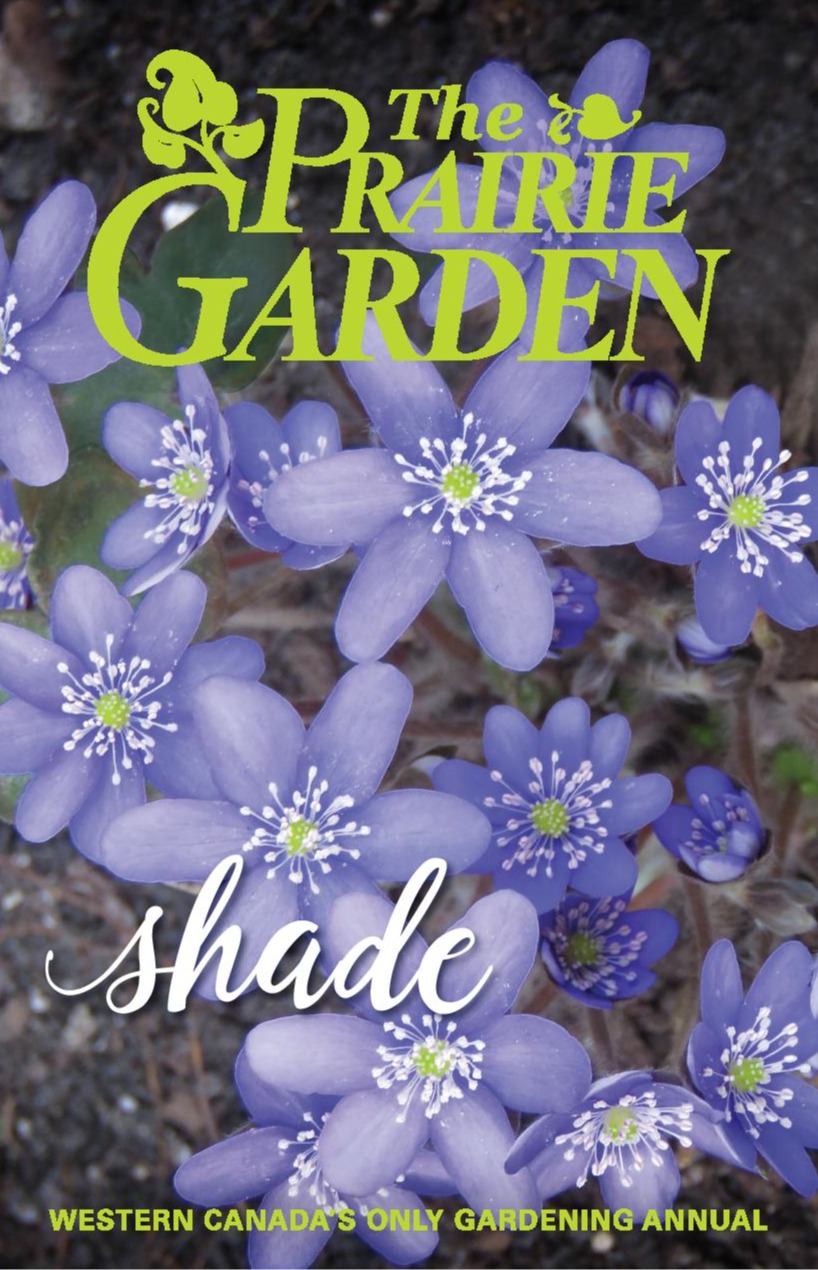
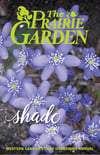

The Prairie Garden 2018: Shade (Ebook)
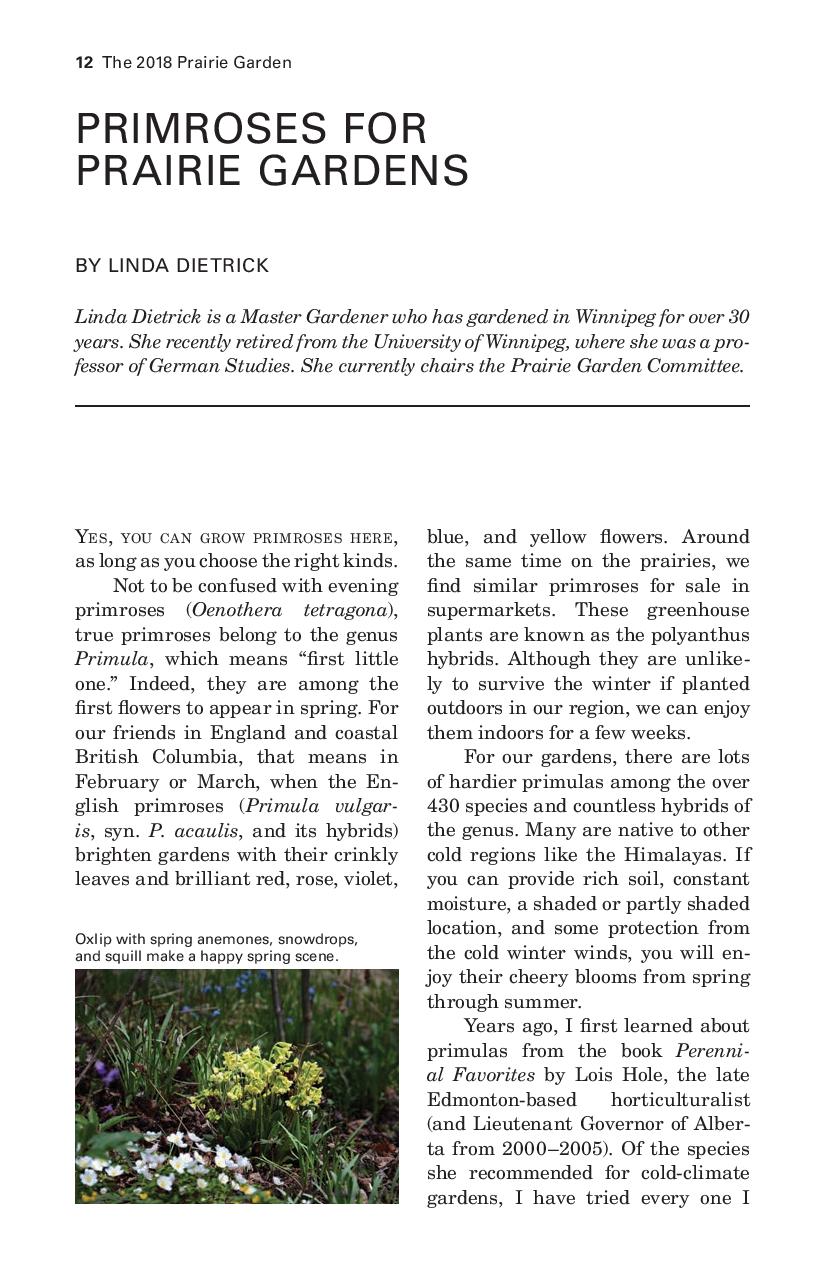
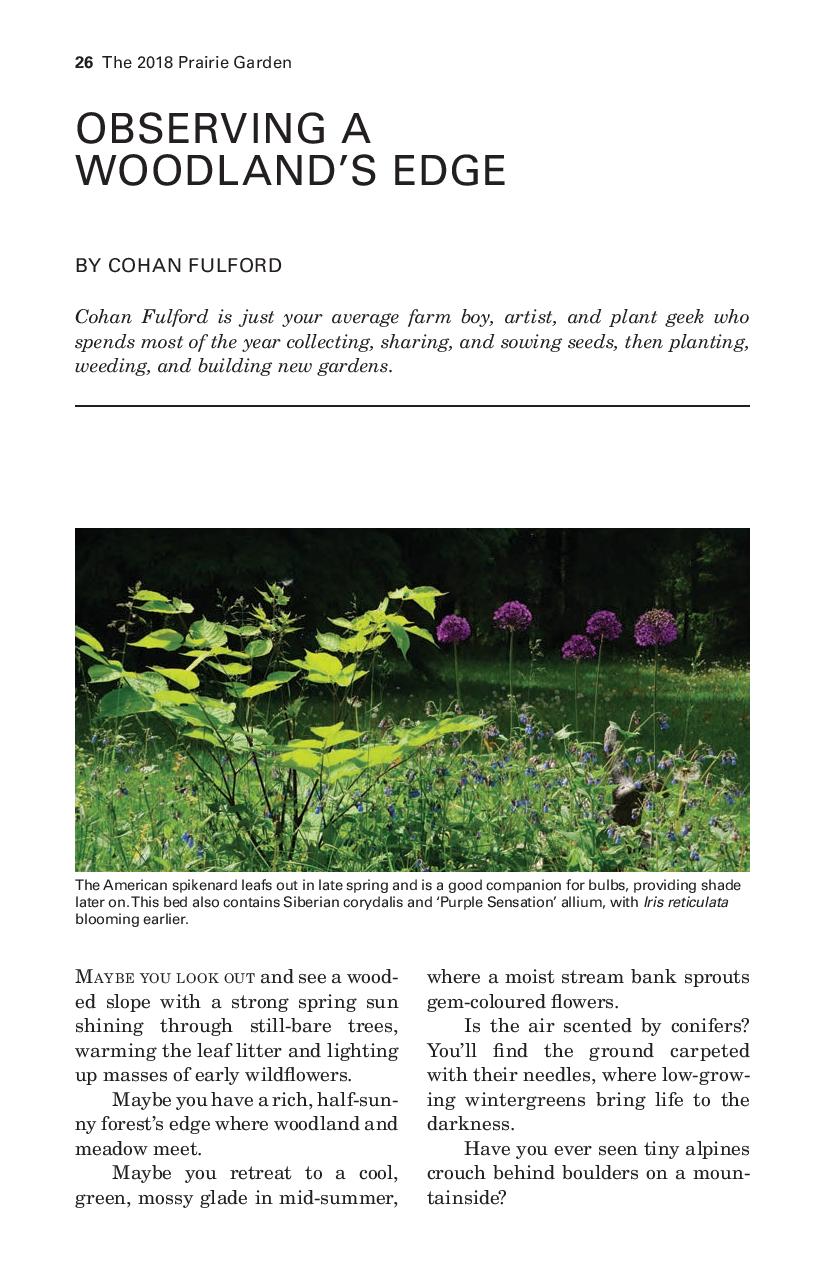
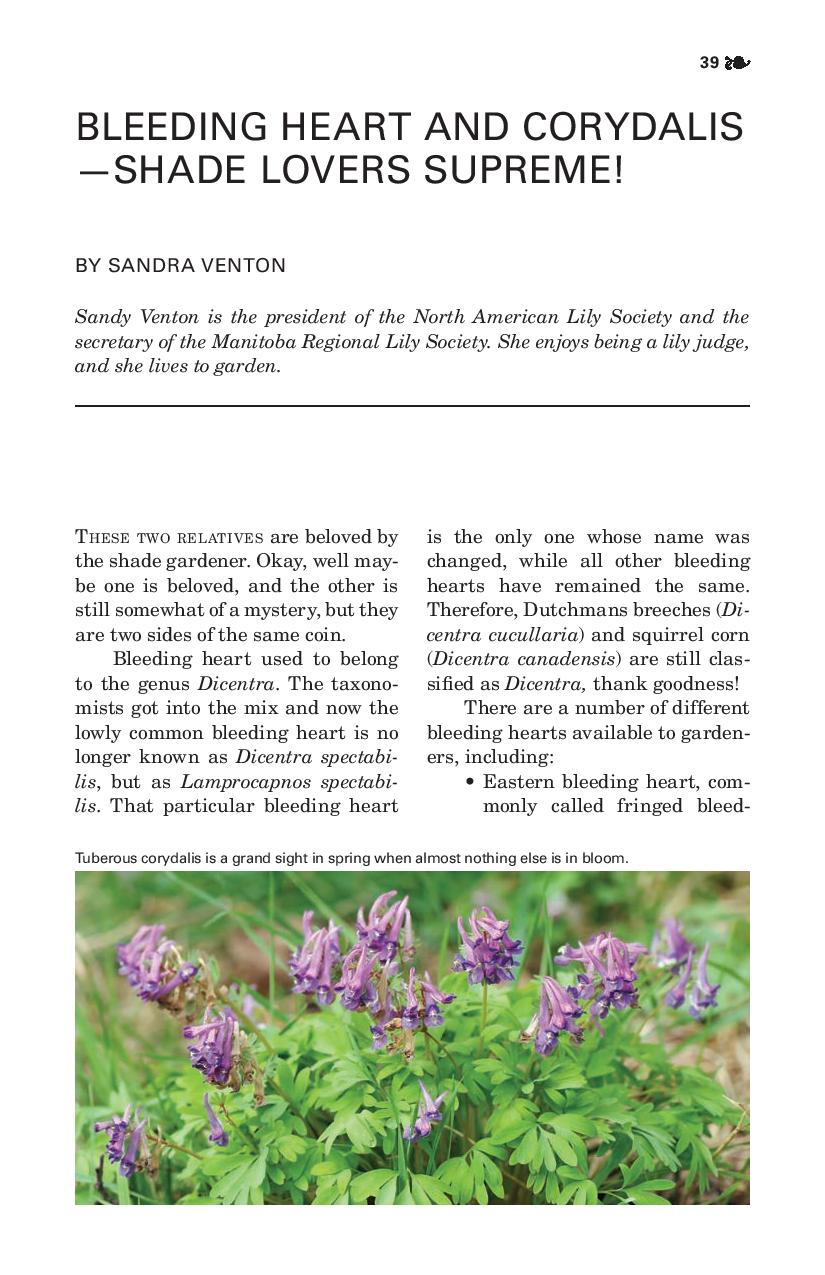
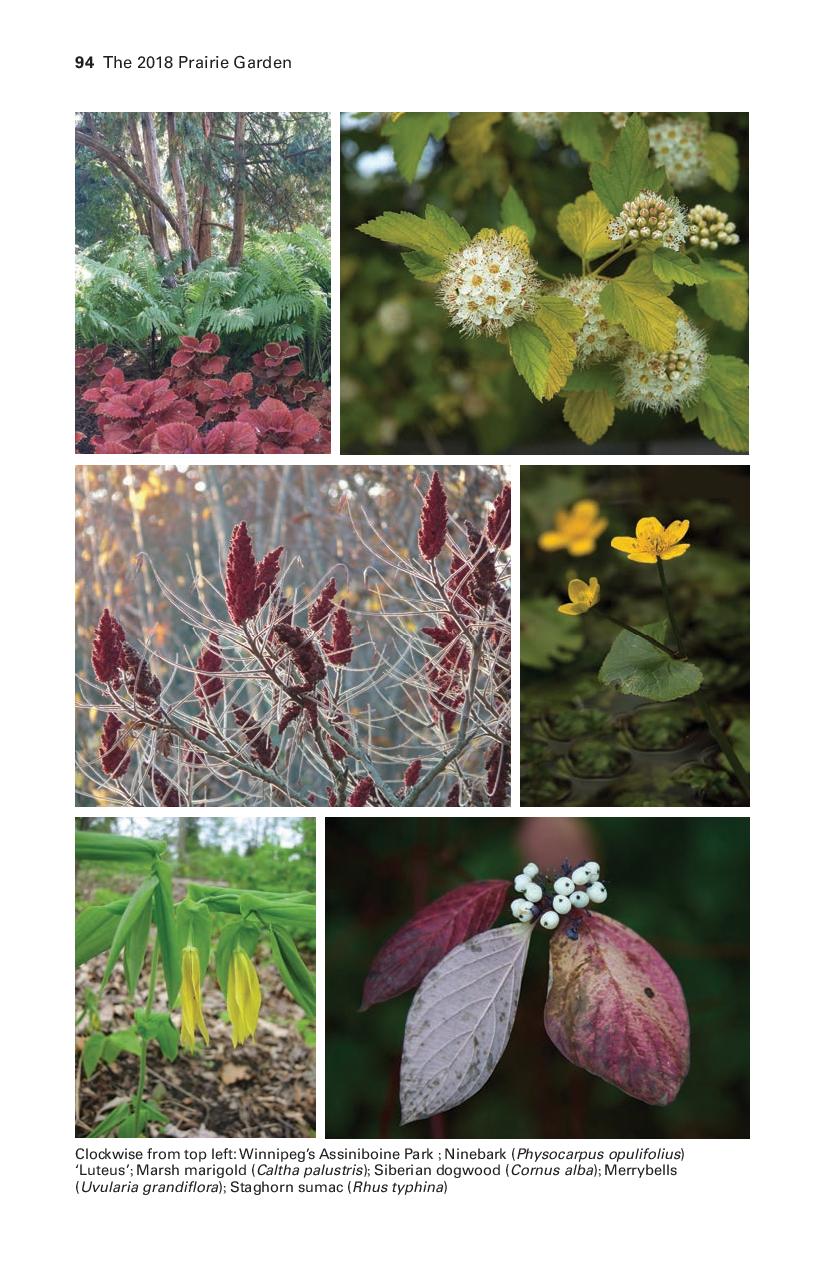
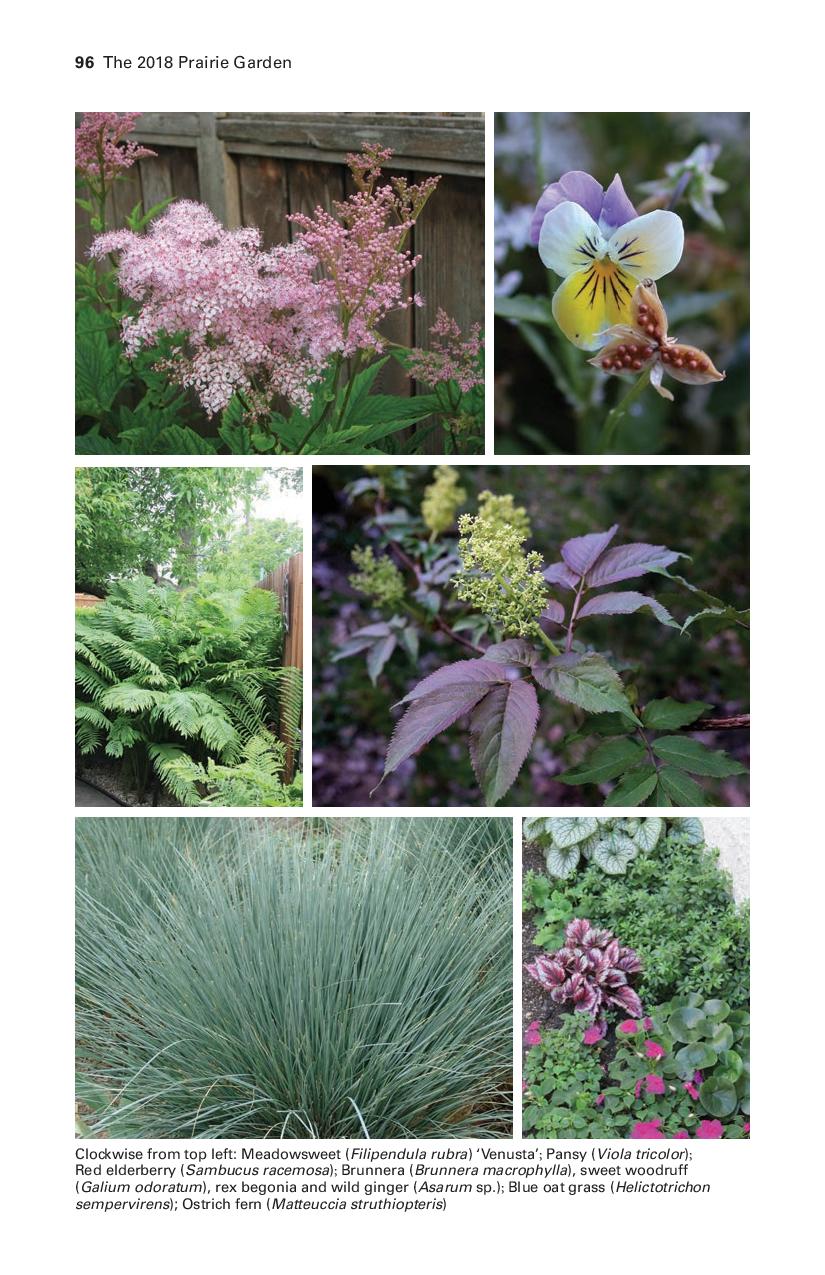
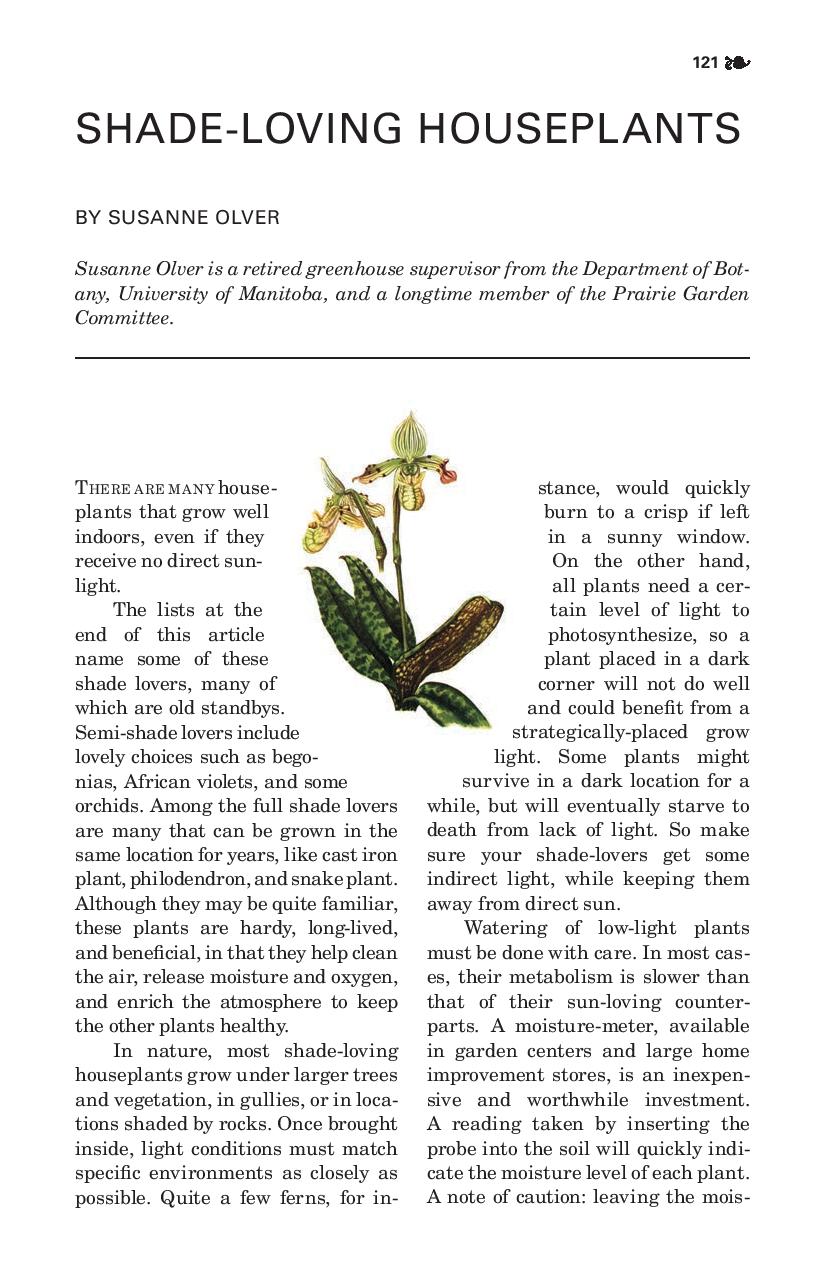
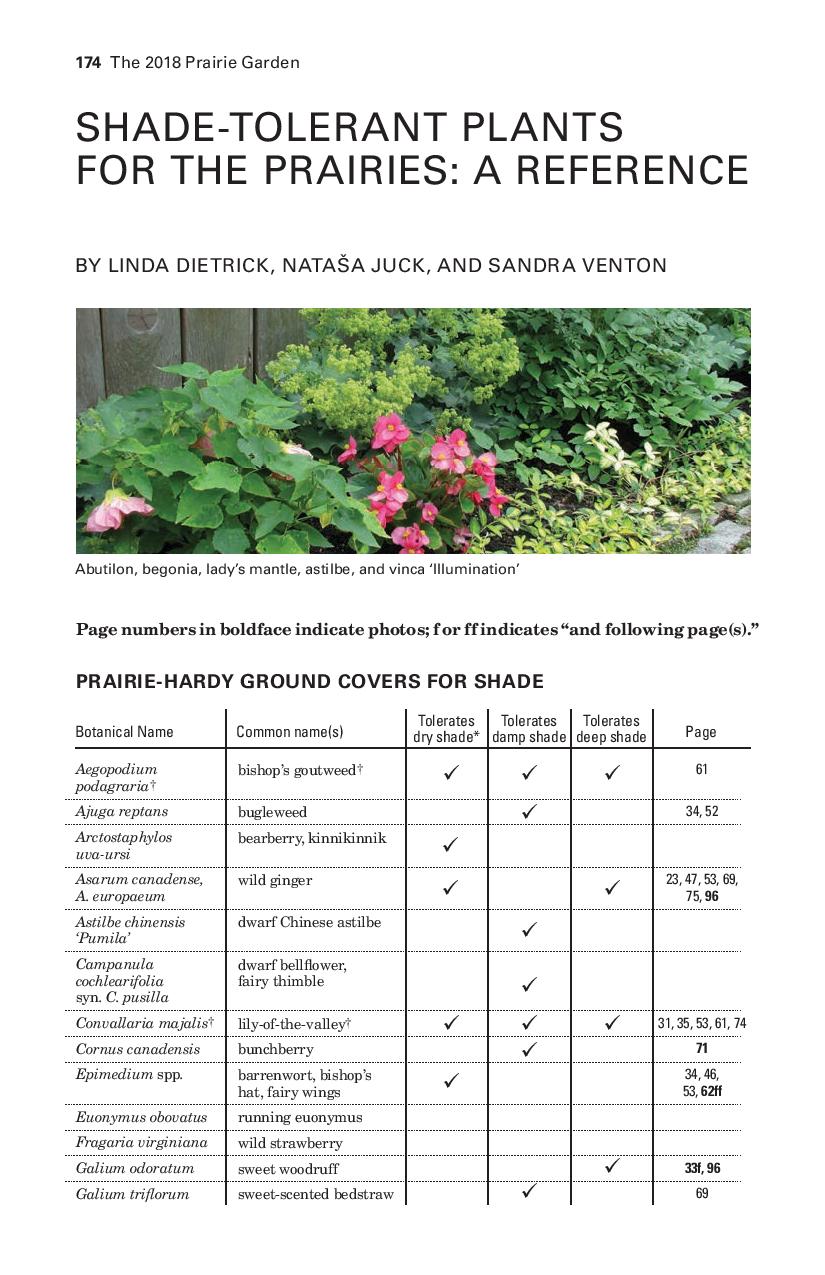
What sites creates shade in your garden? The north side of your residence? Areas under a large tree? The edge of a woodland? There are numerous types of shade. Deep shade is defined by areas receiving less that three hours of sun on a daily basis. Partial shade includes areas receiving three to six hours of daily sun but are shaded for the remainder of the day. Dappled shade is created by sunlight filtering down through the leaves or branches of a tree or some other structure like a trellis or canopy. It is the patterns of light and shadow created that are dappled shade. Regardless of the type of shade or where it is located, it can be a challenge to find plants that will thrive in one or more of these areas. Our edition on shade will help you. A number of the plants we call groundcovers such as bugleweed (Ajuga spp.) & Lamium often thrive in shaded areas as do spring bloomers like lily-of-the-valley. One of the most interesting articles that is contained in our shade edition is about Madagascar periwinkle (different from the creeping periwinkle seen in our zone three gardens). A compound derived from this plant called vinblastine was found to be a lifesaver for children affected by childhood leukemia and raised the survival rate from this cancer from 10% to 95%. There are also articles about many of the more well known shade plants including hostas, begonias, Brunnera, coleus and bleeding hearts. This edition of The Prairie Garden is the ideal book to take with you into the shade on a hot day with a glass of lemonade in hand to read about all those plants and ideas that can make that shady corner of your yard come alive.