
Protecting Your Home Through Better Basement, Drain, and HVAC Care
Understanding the Importance of Home Maintenance
A small basement leak or an unusual noise from a heating system may seem harmless at first, but minor warning signs can develop into expensive household problems when ignored. Proper maintenance helps protect a property's structure, supports indoor comfort, and reduces the likelihood of unexpected repairs. Reliable Basement and Drain services play an important role in addressing moisture concerns, drainage difficulties, and basement-related issues before they become more serious. Understanding how drainage, basement protection, and climate control work together allows homeowners to make informed decisions and maintain a safer, more comfortable living environment throughout the year.
Why Basement and Drain Maintenance Matters
Basements are particularly vulnerable to water intrusion because they sit below ground level and remain exposed to surrounding soil moisture. Heavy rainfall, blocked drainage lines, foundation cracks, and poor water management can contribute to damp walls, unpleasant odors, and standing water. Reliable Basement and Drain solutions can help identify the underlying causes of these concerns and support appropriate repairs. Regular inspections are valuable because visible water damage often appears only after moisture has already affected surrounding materials. Early attention to drainage problems can protect stored belongings, preserve usable space, and reduce the risk of costly structural deterioration.

Recognizing Early Warning Signs of Drainage Problems
Drainage issues rarely develop without some indication that something is wrong. Slow-moving water in sinks, recurring drain blockages, gurgling pipes, and persistent dampness around basement walls may signal developing problems. Musty smells can also indicate excess moisture or insufficient ventilation, particularly in enclosed areas. Homeowners should pay attention to changes in drainage performance rather than relying solely on emergency repairs. Professional assessment can help distinguish between simple obstructions and deeper plumbing or drainage concerns. Addressing these warning signs promptly supports dependable water flow, limits unnecessary inconvenience, and helps prevent small maintenance issues from becoming significant household disruptions.
The Role of Reliable HVAC in Indoor Comfort
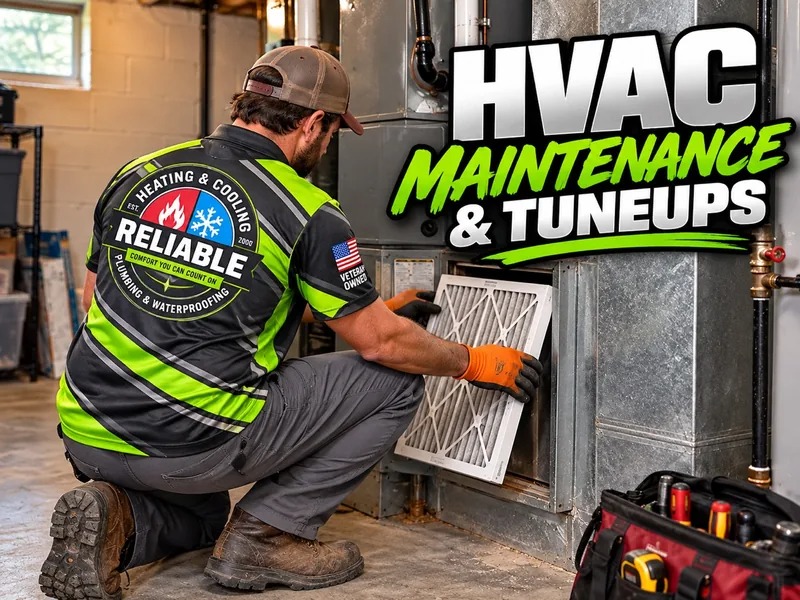
Indoor comfort depends on more than adjusting a thermostat during hot summers or cold winters. Heating, ventilation, and air conditioning systems influence temperature consistency, air circulation, humidity, and overall indoor air quality. Reliable HVAC maintenance helps keep essential equipment operating efficiently while identifying developing mechanical problems before they cause unexpected interruptions. Dirty filters, restricted airflow, worn components, and neglected condensate lines can reduce system performance over time. Routine servicing also provides an opportunity to check important operating components and recommend appropriate adjustments. Consistent attention to heating and cooling equipment can improve comfort while helping homeowners manage energy consumption responsibly.
Connecting Moisture Control With Reliable HVAC Performance
Basement moisture and indoor climate control are closely connected because excess humidity can affect how comfortable a home feels. Damp conditions may encourage mold growth when moisture persists, while poorly managed ventilation can allow stale air to accumulate. Reliable HVAC systems can support humidity management through suitable equipment operation, ventilation, and condensate drainage, although they cannot replace necessary waterproofing or foundation repairs. Likewise, effective basement drainage helps reduce the amount of unwanted moisture entering the property. Treating these systems as complementary parts of home maintenance encourages a more complete approach to comfort, air quality, and long-term property protection.
Preventive Maintenance and Practical Homeowner Decisions
A preventive maintenance routine can make household management more predictable and less stressful. Inspecting exposed pipes, checking sump pumps where installed, clearing accessible drain covers, and looking for signs of water penetration can reveal concerns early. Heating and cooling equipment also benefits from regular filter replacement and professional servicing according to manufacturer recommendations. Reliable Basement and Drain specialists can assess drainage and basement concerns, while qualified heating and cooling technicians can evaluate equipment performance. Keeping records of inspections and completed repairs helps homeowners recognize recurring problems, plan future expenses, and make practical decisions about improvements instead of waiting for urgent failures.
Improving Energy Efficiency and Protecting Property Value
Energy efficiency and property protection often begin with consistent attention to systems that operate behind the scenes. Restricted HVAC airflow may force equipment to work harder, while unresolved drainage problems can gradually damage flooring, walls, and stored materials. Reliable HVAC servicing can help identify inefficient operation, worn parts, and maintenance needs that affect comfort or energy use. At the same time, appropriate drainage improvements can protect vulnerable areas from recurring water exposure. Although maintenance cannot eliminate every repair expense, a planned approach can reduce avoidable deterioration, support reliable operation, and help preserve the usefulness and appeal of residential spaces.
Choosing Professional Services With Confidence
Selecting a service provider requires attention to experience, communication, inspection practices, and the clarity of recommended solutions. Homeowners should seek explanations of the problem, understand the proposed repair, and request transparent estimates before authorizing substantial work. It is also useful to ask whether preventive measures could reduce the likelihood of recurrence. For basement drainage concerns, recommendations should address the source of the moisture rather than simply conceal visible damage. For heating and cooling issues, assessments should consider equipment condition, airflow, and system requirements. Comparing qualified providers carefully helps households prioritize essential repairs and avoid spending money on unsuitable or incomplete solutions.
Conclusion: A Smarter Approach to Long-Term Home Care
A comfortable and well-maintained home depends on systems that manage water, protect structural materials, and regulate indoor temperatures effectively. Routine inspections, timely repairs, and informed maintenance decisions can reduce disruption while supporting better household conditions. Homeowners researching professional assistance can explore service information through reliabledrainom to understand available options and identify relevant next steps. Every property has different maintenance requirements, so the most suitable plan depends on its age, construction, local weather, and existing equipment. By recognizing warning signs early and arranging appropriate professional evaluations, homeowners can protect their investment and maintain dependable performance across essential household systems.