
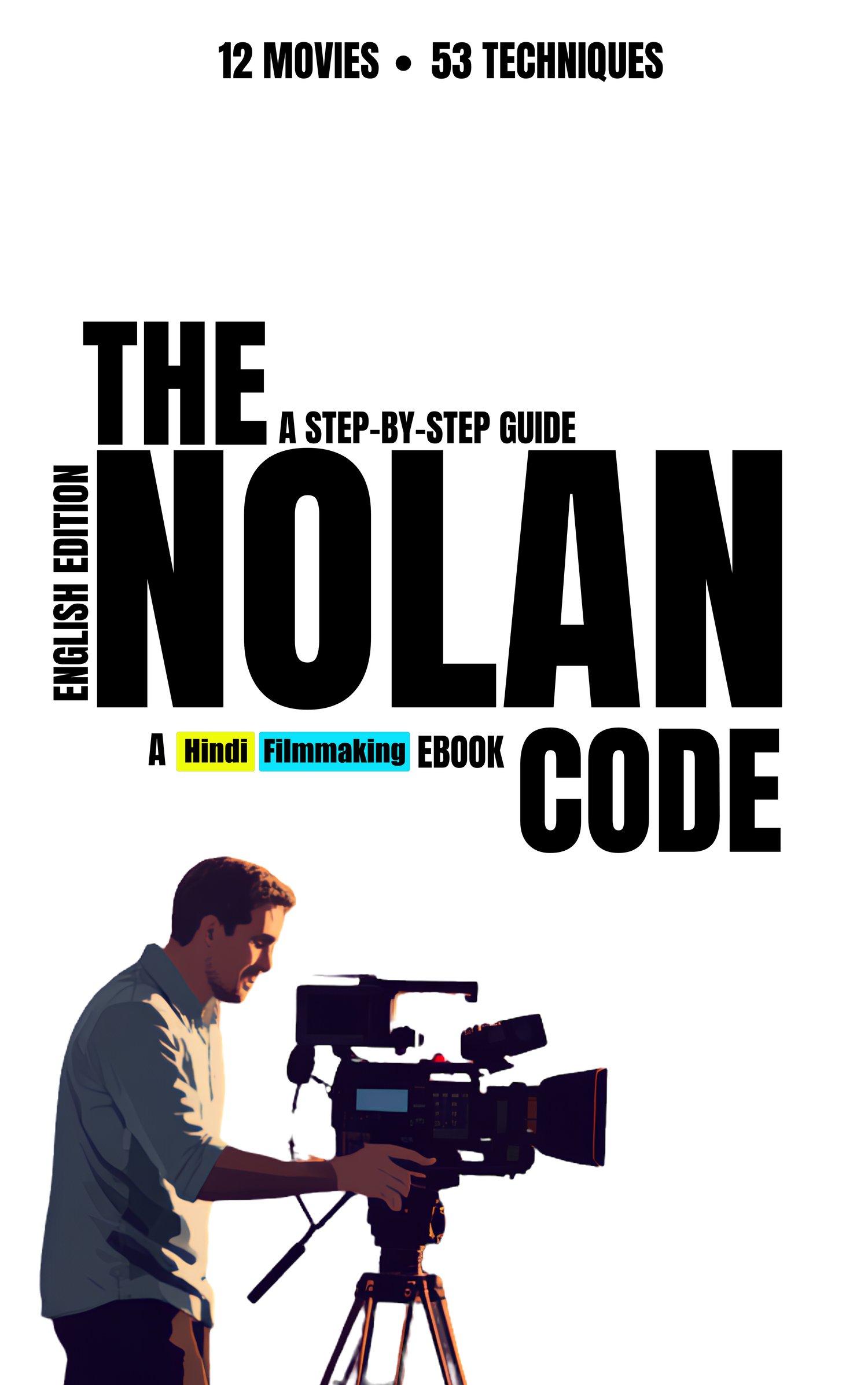
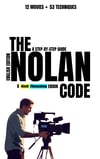
(E-Book) The Nolan Code - A Complete Masterclass On Christopher Nolan's Direction Techniques
The Nolan Code is a complete director's masterclass on how Christopher Nolan actually makes movies,
Ebook, English Edition, Independent Analysis
Strict No-Refund Policy: Due to the instant-access nature of digital products, all sales are final. Please review the free sample chapter or watch the overview video before purchasing to ensure this material meets your expectations.
A 500+ page reference book breaking down every major technique across his entire filmography, from Following (1998) to Oppenheimer (2023).
This isn't a biography or a fan tribute. It's a working reference for filmmakers, screenwriters, directors, and film students who want to understand how Nolan builds non-linear stories, directs performances, structures sound design, and constructs theme, technique by technique, film by film.
What's inside
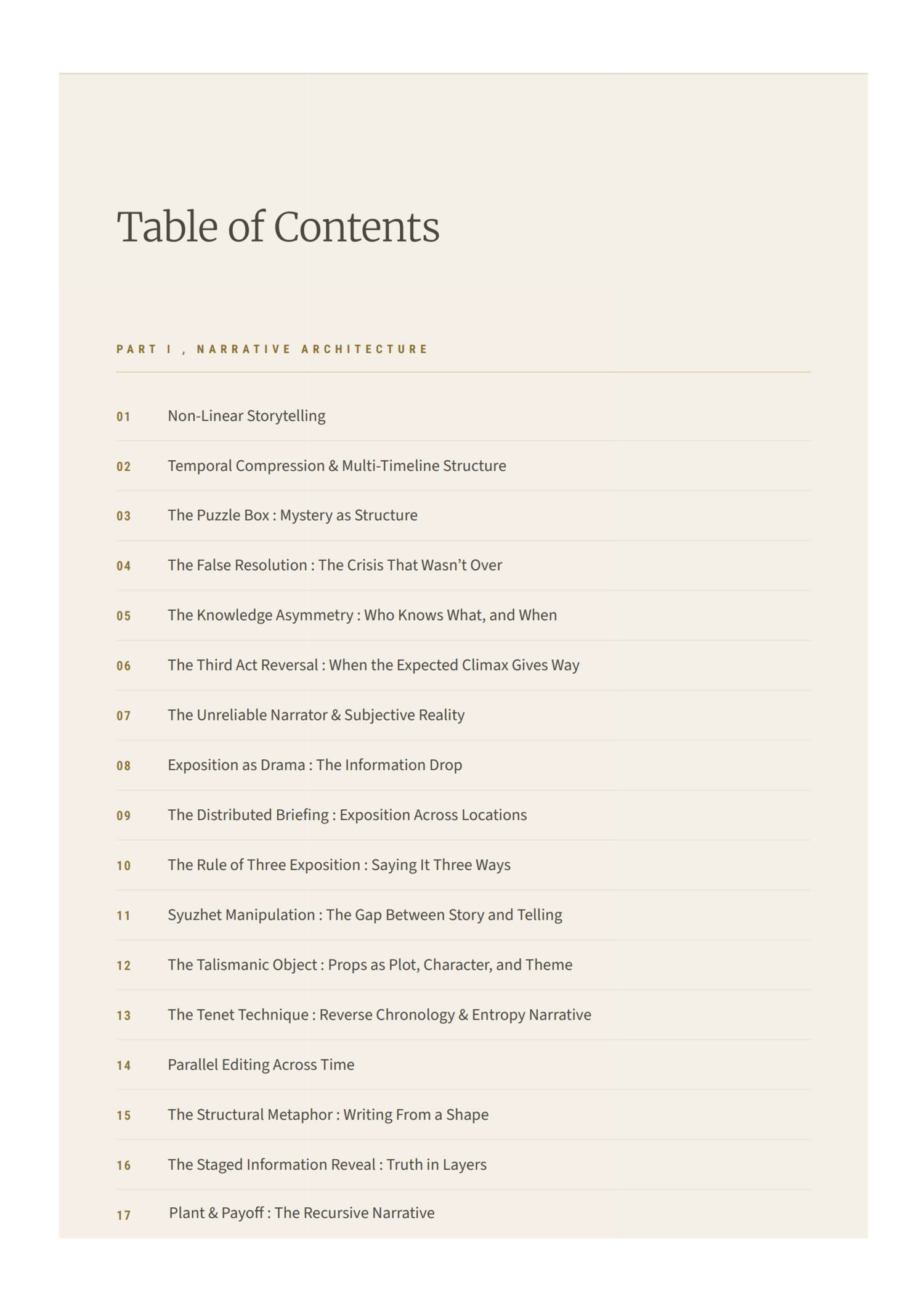
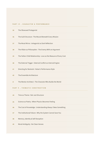
Part I :Narrative Architecture Non-linear storytelling, temporal compression, the puzzle-box structure, false resolutions, knowledge asymmetry, the third-act reversal, unreliable narrators, exposition as drama, the Tenet reverse-chronology technique, plant & payoff, and more.
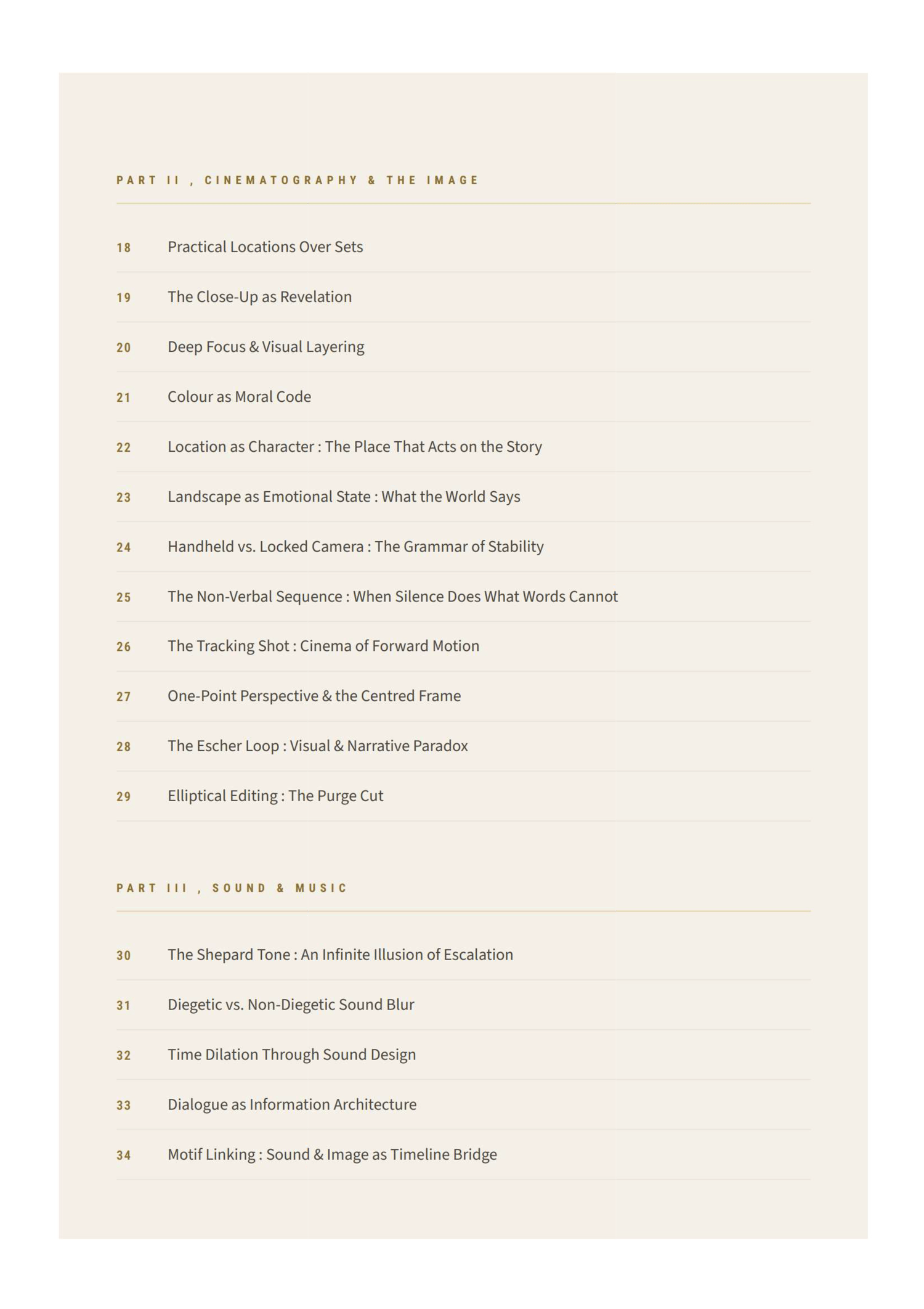
Part II : Cinematography & The Image Practical locations over sets, the close-up as revelation, deep focus, colour as moral code, the tracking shot, one-point perspective, elliptical editing.
Part III : Sound & Music The Shepard Tone, diegetic/non-diegetic blur, time dilation through sound, dialogue as information architecture.
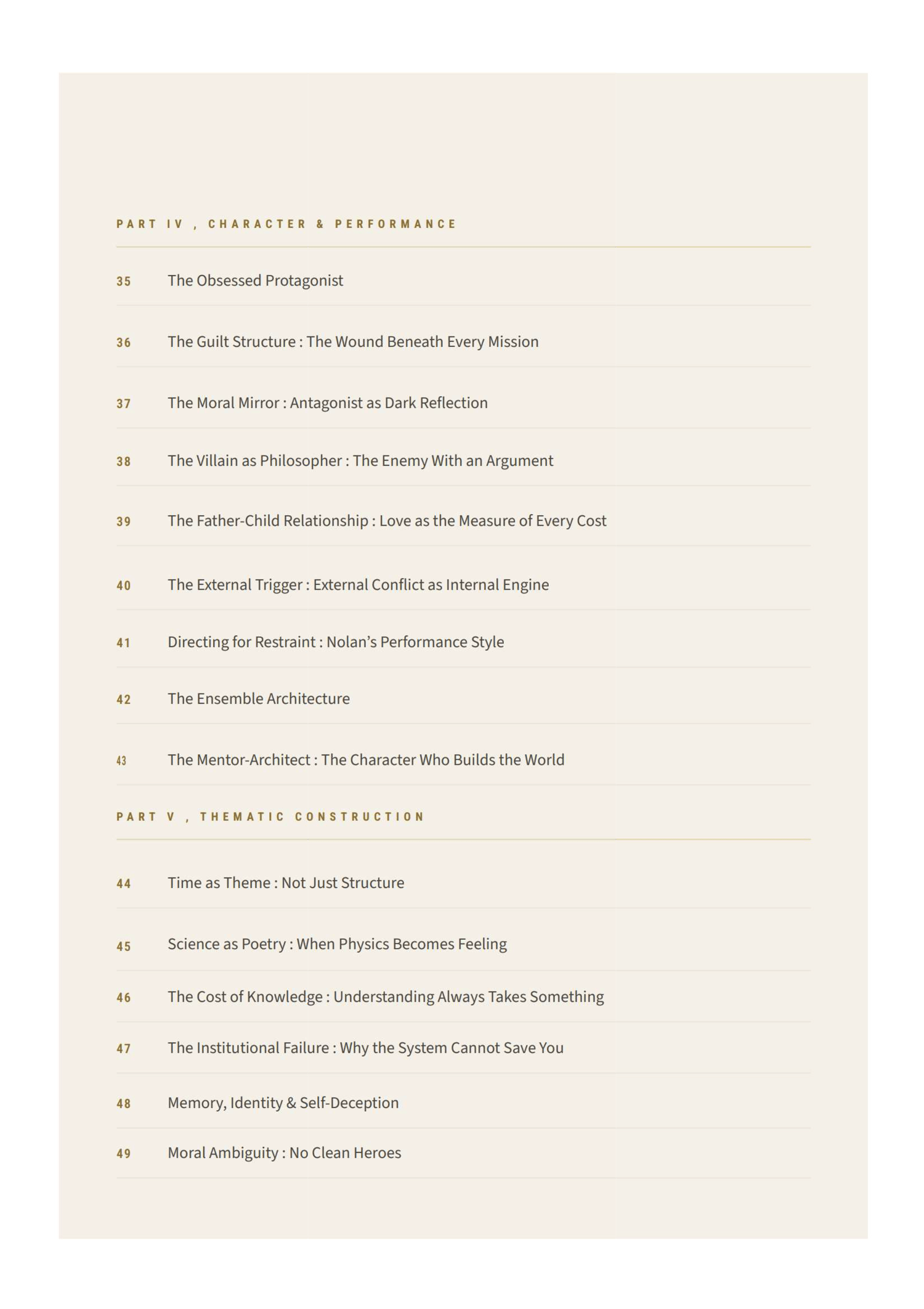
Part IV : Character & Performance The obsessed protagonist, the guilt structure, the villain as philosopher, the father-child relationship, directing for restraint, ensemble architecture.
Part V : Thematic Construction Time as theme, science as poetry, the cost of knowledge, institutional failure, memory and self-deception, moral ambiguity.
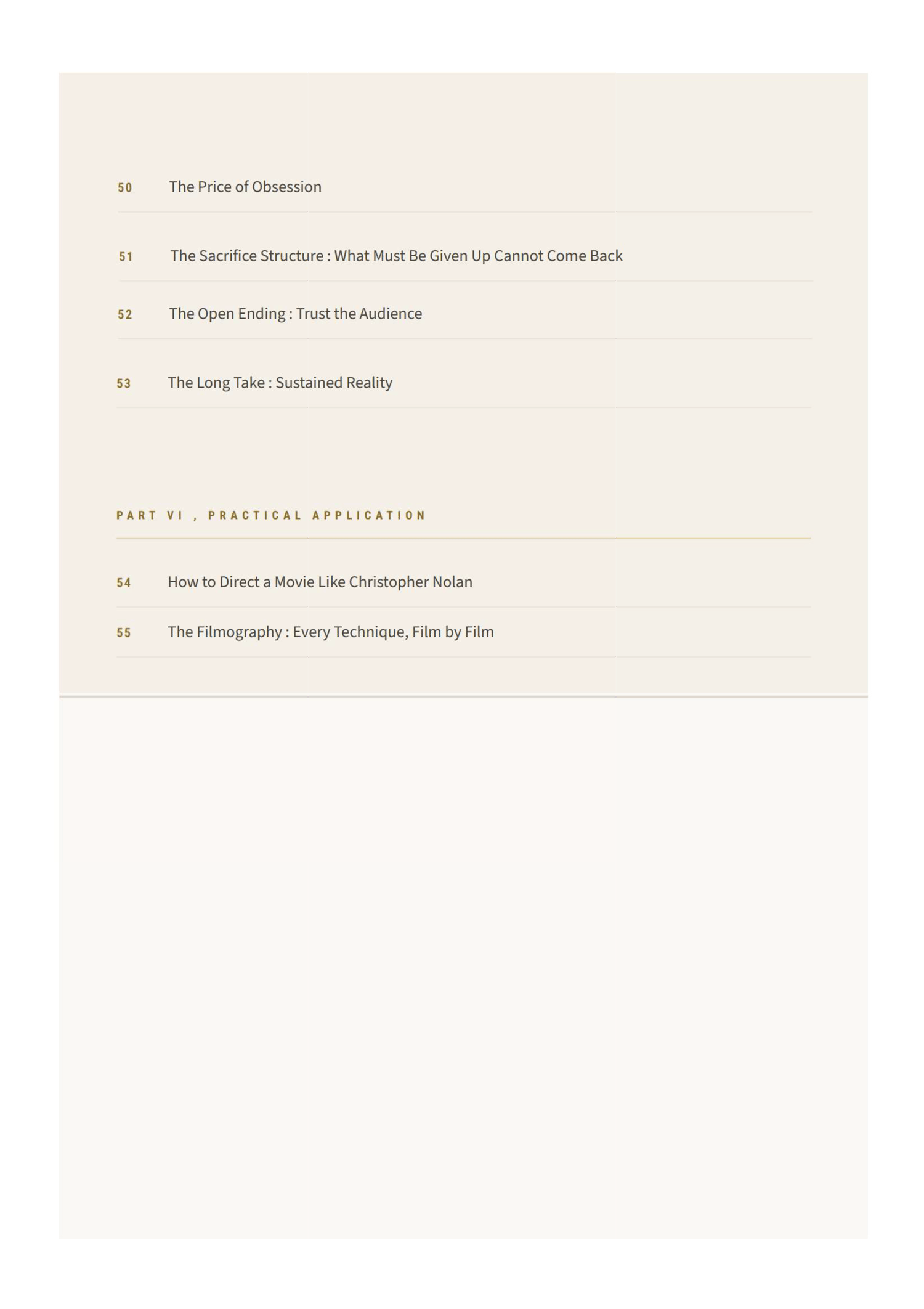
Part VI : Practical Application A 56-step chronological guide, "How to Direct a Movie Like Christopher Nolan," plus a full technique-by-technique filmography breakdown covering every Nolan film.
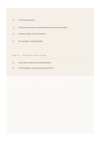
Who this is for
- Screenwriters studying structure and exposition
- Directors studying blocking, performance, and visual language
- Editors and cinematographers studying Nolan's craft choices
- Film students and cinephiles who want more than trivia, real technique