
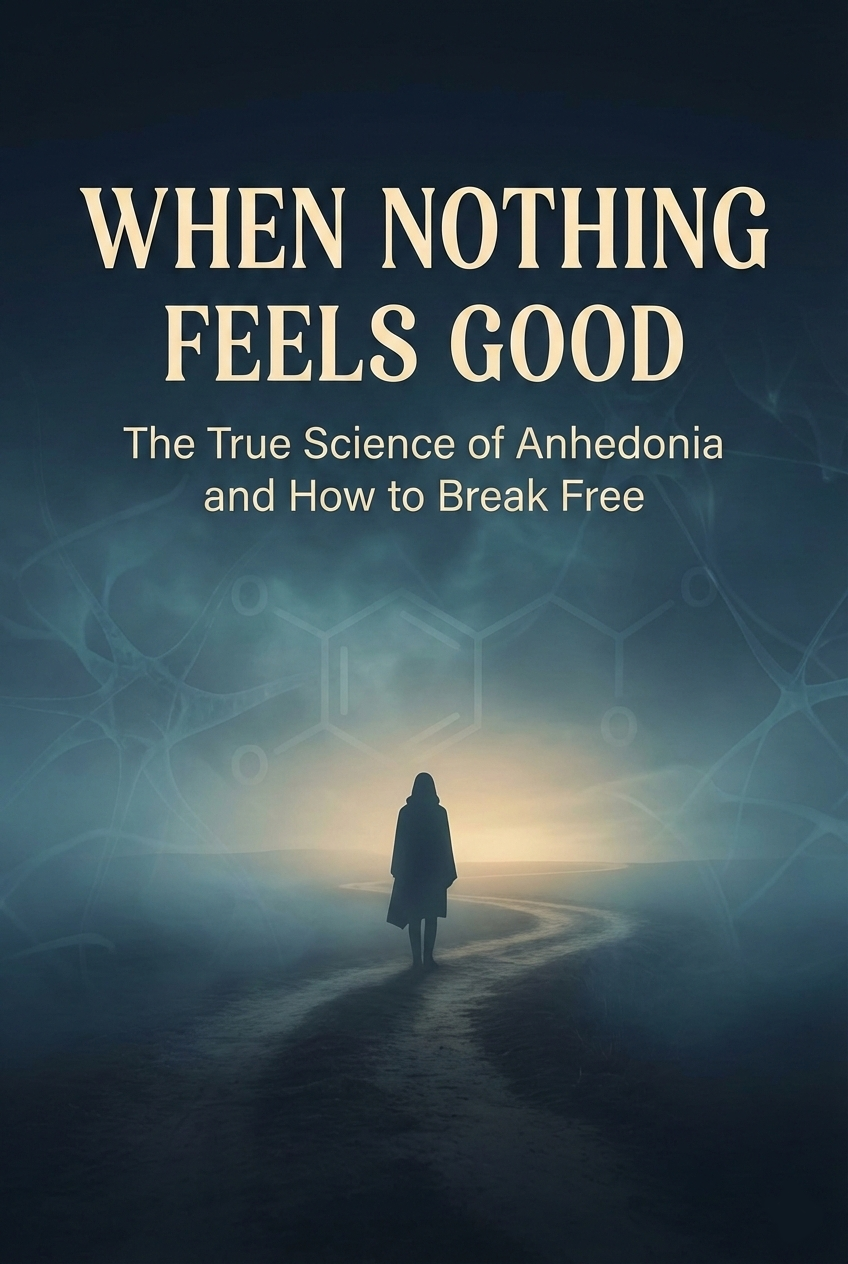

When Nothing Feels Good: The True Science of Anhedonia and How to Break Free
Finally: A Research-Based Guide for People Living with Emotional Numbness
Written by someone who spent 3 years in that void—and mapped a way back
If you're reading this, you already know something is different about what you're experiencing.
Not sad. Not anxious. Just... empty.
Music sounds flat. Food has no taste. The things you used to love feel like checking boxes. You're functioning, but you're not feeling.
Here’s the part no one tells you:
This experience has a name. It has mechanisms. And once you understand them, things start making sense again.
This guide exists because I lived there too — for years — and spent thousands of hours mapping out what the research actually says about escaping that state.
What This Is (And What It Isn't)
This is NOT:
- A cure or medical treatment
- A replacement for professional care
- Another "think positive" self-help book
- Medical advice
This IS:
- A compilation of peer-reviewed research on reward system dysfunction
- A structured framework for exploring evidence-based interventions
- A community of people navigating the same experience
- An educational resource created from 200+ hours researching neuroscience literature
Important: I'm not a doctor. I'm someone who obsessively researched my way through anhedonia and am sharing what I learned. This guide is meant to educate and support—always work with qualified healthcare providers for medical decisions.
Why Your Doctor Might Be Missing This
Most depression treatment targets serotonin. But emotional numbness often involves dopamine pathways—specifically reward processing in the nucleus accumbens and related circuits.
The research is there:
- 47 peer-reviewed studies referenced throughout
- Specific mechanisms: D1/D2 receptor function, dopamine transporter dynamics, enzymatic processing
- Why certain interventions help reward system recovery while others don't
This guide translates that research into practical understanding.
What's Inside
The Research Framework (87 pages)
- How reward circuitry actually works (in plain language)
- Why common treatments might miss the mark
- Evidence-based interventions organized by mechanism
- How to track what's actually changing
3-Phase Exploration Structure
- Phase 1: Understanding dopamine receptor function
- Phase 2: Exploring norepinephrine and serotonin interactions
- Phase 3: Long-term optimization approaches
Practical Protocols
- Lifestyle interventions backed by research
- Supplement research overview (discuss with your doctor before trying anything)
- How to communicate with healthcare providers about reward system dysfunction
- Progress tracking tools
Recovery Community Access
- Private forum with 250+ members
- Shared experiences and what's actually working
- Monthly research updates
- Real recovery stories (not curated testimonials)
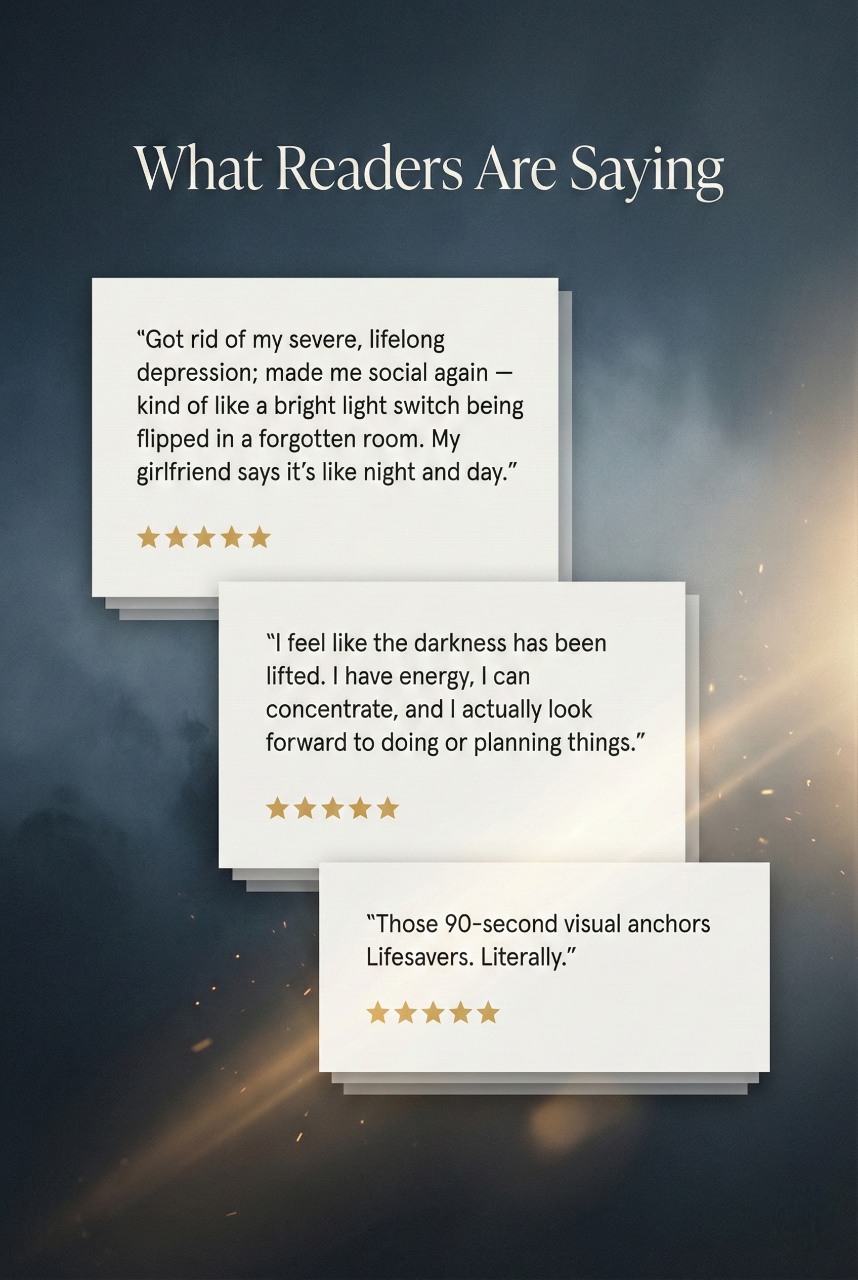
What People Are Saying
"Finally something that explains what I've been experiencing. Helped me have better conversations with my psychiatrist." - Rachel L.
"The research compilation alone was worth it. I shared sections with my therapist." - Sam D.
"I'm not 'cured' but I understand what's happening now. That's helped more than I expected." - Jordan K.
Who This Is For
You if you:
- Research obsessively but feel overwhelmed by conflicting information
- Need to understand the why behind what's happening
- Want evidence-based frameworks, not empty platitudes
- Feel dismissed by the medical system but still want scientific rigor
- Are working with professionals but want to be a more informed participant in your care
Not for you if you:
- Want a quick fix or magic bullet
- Aren't interested in understanding the neuroscience
- Expect guaranteed results
- Aren't willing to work with healthcare providers
The Honest Reality
Recovery timelines vary. Some community members report improvements within weeks. Others take months. Some find certain protocols helpful while others don't. This isn't a controlled clinical trial—it's real people with different biology trying evidence-based approaches.
What I can promise:
- Thoroughly researched information
- Honest presentation of what's known vs. uncertain
- A framework for understanding what you're experiencing
- A community that gets it
- No BS or false hope
What I can't promise:
- That this will definitely work for you
- Specific timelines
- That you won't need professional treatment
- That research alone is enough (you need a care team)
Investment
$69 - Immediate digital access
Includes:
- Complete 87-page research guide
- Private community access
- Monthly research updates
- Progress tracking tools
30-Day Refund Policy: If the guide doesn't provide value as an educational resource, full refund, no questions asked.
A Note on Safety
Please read carefully:
This guide discusses neurobiological mechanisms and evidence-based interventions, but it is NOT medical advice. Anhedonia can be a symptom of serious medical conditions including depression, bipolar disorder, neurological conditions, and hormonal imbalances.
You need professional evaluation. This guide is designed to help you be an informed participant in your care—not to replace professional treatment.
If you're experiencing suicidal thoughts, please contact a crisis helpline or emergency services immediately.
Ready to Understand What's Happening?
You've been living with emotional numbness long enough. You deserve to understand why—and what the research says about addressing it.
This isn't about false hope. It's about informed hope grounded in neuroscience.
[Get Instant Access]
Your emptiness is real. Your questions deserve real answers.