
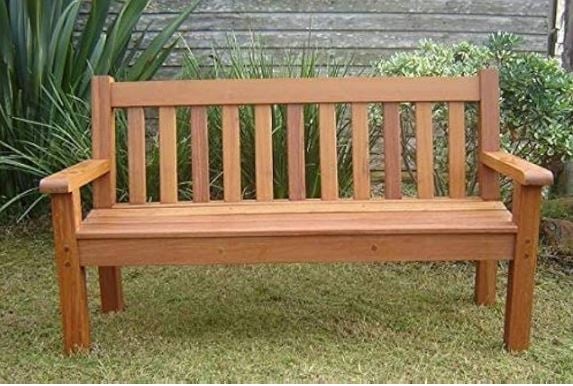
Elegant Teak Garden Benches: Timeless Charm for Outdoor Spaces
Elegant teak garden benches that add timeless charm to your outdoor spaces are just plain wooden seats carved out of dense, weather-resistant teak wood that wears beautifully outside. They accommodate patios, lawns, decks, and even small balconies. The warm color and fine grain provide a peaceful, timeless appeal that complements many garden styles. To select the perfect one, it helps to understand teak grades, designs, maintenance, and durability, which the following passages discuss.
The Enduring Appeal of Teak Benches
Teak benches are special in the landscape because they combine a crisp, refined aesthetic with durability that resists everyday wear and the elements. The wood’s natural oils and dense grain make it one of the few materials that remain both elegant and dependable season after season. This is why a teak bench feels right at home on tiny urban balconies, sprawling gardens, hotel courtyards, or public promenades.
1. Natural Resilience
Teak’s close grain and natural oiliness resist moisture, decay, and many common pests. Water does not soak in as fast as it does with other woods, and this inhibits swelling, mildew, and rot. In a damp garden or poolside, a teak bench is less prone to becoming splintery or wobbly.
It resists warping, cracking and splintering, even with temperature fluctuations from hot to cold. Translation: fewer loose slats, fewer sharp edges, fewer repairs. Purchasers who compare teak to acacia, eucalyptus or pine quickly discover that these woods require more sanding, sealing or premature replacement, while teak remains solid and smooth for far longer.
2. Weather Resistance
Teak benches handle rain, fierce sun and daily temperature fluctuations without cracking or warping. Teak benches are so inherently weather‑hardy that many owners leave them outdoors year round, whether ocean‑cooled or in hotter inland climates. This frequently eliminates the demand for cumbersome tarps or continuous shifting and storing.
Over time, bare teak gradually shifts from golden brown to a silver-gray patina that serves as protection. The surface color shifts, but the heart wood remains durable, allowing your bench to stand strong season after season.
Wood type
Rain resistance
Sun resistance
Long‑term shape stability
Teak
High
High
High
Acacia
Medium
Medium
Medium
Pine
Low
Low
Low
Eucalyptus
Medium
Medium
Medium
3. Minimal Upkeep
Teak usually needs only simple care: a wash with mild soap and water from time to time to clear dirt and pollen. For most homes, this occurs a couple of times a year. The wood’s natural oils preserve the fibers, so the frame remains solid without treating with sealers.
Owners don’t have to stain or varnish teak to maintain its resilience. Additional oiling is a fashion statement for those who want to maintain the original honey hue, not a requirement for protection or longevity. A simple checklist might consist of blowing leaves off weekly, rinsing with a hose after strong storms, and inspecting bolts annually.
4. Graceful Aging
As teak ages outdoors, it goes from warm brown to a soft, silvery gray that many find soothing and low-key. This conversion is uniform and gradual, so the bench maintains a neatly even appearance instead of patchy discoloration.
The patina brings out the grain lines and small marks of use that can lend a subtle charm in both contemporary patios and traditional gardens. Although the color fades, the heartwood does not weaken, meaning the bench maintains its support strength and secure sitting area.
5. Lasting Strength
One solidly constructed teak bench weathers the elements, supports heavy weights and accommodates countless sitters without wobbling or sagging. This makes it practical for private terraces, communal apartment courtyards and public parks where dozens of people might sit on the same bench every day.
Since the wood is dense and stable, craftsman can carve curved arms, slatted backs, or decorative details that aren’t prone to snapping. Transparently defined weight ratings for each model assist purchasers in pairing a bench to the demands of a tranquil home garden, bustling hotel lobby terrace, or school campus.
Craftsmanship and Timeless Design
Graceful teak garden benches depend on diligent artisanry and calm aesthetic decisions, not transitory fads. Craftsmanship and Timeless Design. We make well-built pieces that marry precise joinery, fine sanding and hand applied finishes that enhance the grain instead of covering it with thick layers. Expert artisans blend boards so the tone and patterns are peaceful and uniform, giving the bench an elegant, organized appearance in any garden locale.
About craftsmanship and timeless design. Classic slatted backs, gentle curves at the arms and slightly tapered legs play in both a formal courtyard and small balcony. These shapes seem to look 'right' next to stone, grass, tile or decking so the bench stays in style even as other décor changes. A new cushion color is a subtle swap that shifts the mood without needing a new bench.
Craftsmanship impacts how the bench functions on a daily basis. Tight joints, even slat spacing and a well sculpted seat assist in water drainage, cooler surface temperatures and easier cleaning. Among owners’ favorites is a mini gallery of bench styles, be it Lutyens-inspired curves, straight-backed park benches or low-profile contemporary pieces, to compare how timeless and modern lines can still have the same enduring nature.
Historical Roots
Teak garden benches have historic connections to royal gardens, palace courtyards, and massive colonial plantations, where the wood’s durability and rain-proof qualities were of practical interest. With time, this consistent presence in prestigious outdoor settings lent teak furniture a subtle aura of status.
That tradition still shines on contemporary lawns, verandas, and decks. A plain slatted bench might evoke old European public parks, whereas an intricate backrest could call to mind classic Asian courtyard seating. A large number of our most famous shapes, like the high-arched Lutyens bench or the iconic cross-back, made their debut hundreds of years ago and continue to be manufactured with minimal adaptation.
When selecting a bench, others enjoy reading a brief history on the style name or origin. That can assist in aligning the bench’s narrative with the kind of space, whether the mood is a formal, historic one or a laid-back, contemporary mash-up.
Structural Integrity
Well-constructed design keeps a teak bench from wobbling, even after years of use. You’ll often find mortise-and-tenon joints where the legs connect to the seat frame and where the back ties in, as makers love that these joints lock pieces together without depending solely on screws. When cut tight and glued well, they don’t wobble even as wood expands and shrinks outdoors.
Thicker legs, solid seat rails and arm supports made from one strong piece of teak contribute to the weight and sense of stability. Many higher-quality benches employ fewer individual pieces, which reduces the number of weak points that come loose over time.
When shopping, a quick checklist comes in handy. Key points include: mortise-and-tenon joints at main stress areas, solid teak (not veneer), seat slats that do not flex under weight, a firm backrest with no twist, and stainless steel or brass hardware. Taking a look at these in person, or requesting close-up photos if purchasing online, provides a better sense of how the bench is going to withstand wear and tear.
Ergonomic Comfort
Comfort in a teak bench is as much about shape as strength. A chair that curves just slightly from front to back and leans back a smidgen instead of standing straight tends to feel more natural for the spine and hips. Whether on a patio or in a communal garden, this can make extended chitchats or silent reading more comfortable.
Smooth, rounded edges at the front of the seat, at the arms, and along the top rail diminish pressure points on the legs and forearms. Wide enough for a forearm or a small cup, armrests like these encourage easier lounging. When the seat depth aligns with the user’s leg length, it minimizes strain and allows the feet to rest comfortably flat on the floor, which decreases fatigue over time.
Experimenting with various bench shapes, even if only for a few minutes at a time, is typically the most immediate test. Sitting with your feet on the floor, reclining, and rocking side to side will rapidly indicate whether the slope, height, and arm position are comfortable for everyday use.
Selecting Your Ideal Bench
Selecting a teak garden bench starts with three basics: how it looks, how it fits, and how you plan to use it day to day. A bench that complements the style of your home and garden will seem as though it has always been there, while the incorrect shape or size can appear incongruous, however beautifully crafted. Thoughtful selection impacts comfort too, from seat depth to backrest angle, so both the eye and body relax.
Key things to weigh up before you buy include:
- Overall garden style (formal, relaxed, or modern)
- Bench length and depth in relation to the space
- Seating needs (solo reading, family use, or guests)
- Backrest height and armrests for support
- Material mix (all‑teak or teak with metal)
- Sun, shade, and weather exposure across the year
- Maintenance level you are willing to handle
- Budget in CHF and long term value
Classic Styles
Classic teak benches typically come in time-tested shapes. Lutyens benches boast curved arms, a high scrolled back, and assertive lines that pop in large lawns or near formal paths. Chippendale styles feature geometric lattice backs that play beautifully against hedges, clipped shrubs, or a straight terrace. Plain backless shapes, often utilized by a low table or against a wall, maintain open views and provide adaptable seating without interrupting sight lines.
These styles suit formal gardens, symmetrical courtyards, or historic or traditional homes. They complement elements like box hedges, gravel paths, stone urns, or rows of trees. When the planting and hardscape reflect the same period feel as the bench, the space acquires a serene and timeless quality.
Modern Interpretations
Modern teak benches maintain the warm wood tone but veer toward clean, slim lines that nestle nicely in contemporary patios, roof terraces, or petite city yards. They often have straight backs, narrow slats, and thin profiles that don’t bulk up the space, which is useful for compact balconies or narrow decks.
A few of the more contemporary options throw in built-in planters at the ends, concealed storage beneath the seat, or even modular components that connect at 90 degree angles to create corner benches. Others use teak with dark powder-coated steel or aluminum legs, so the bench appears airy and minimal yet remains solid. To visualize how these pieces will play with your paving, pots, and exterior walls, a lot of us construct a quick mood board with pictures of the bench, flooring, surrounding plants, and outside lighting and stack a few choices up against each other.
Sizing and Placement
Our right sizing begins with one tool – a tape measure. Measure the length and depth of the space, then allow at least 60 to 90 cm of clear space in front and around the bench so individuals can easily walk past and sit down. A typical size for two to three users is around 120 to 150 cm, whereas extended pathways or spacious terraces may call for 180 cm and above.
Consider scale next. A petite bench will disappear against a towering hedge or vast façade, and a too-large piece can overwhelm a small balcony or courtyard. Look around at nearby objects, such as planters, railings, and trees, and choose a bench that feels in proportion to those heights and widths.
Put the bench where it belongs. Look out on a flower bed, water feature, or the open sky rather than a blank wall. Make access easy with flat terrain and trails that remain passable when wet. For trickier spaces, map out a quick plan or try a simple digital layout tool to experiment with a few locations before you decide.
The Story Behind the Wood
Teak benches begin well before they ever arrive on a patio or terrace. Understanding where that wood comes from helps you establish expectations around how the bench will age, how it was grown and what forests and people its production affected. Provenance impacts density, grain, oil content and the environmental and social footprint behind each piece. Helpful to many buyers is a little map or infographic that places major teak areas like Indonesia, Myanmar, Thailand and parts of Africa and Central America, so they can connect each bench to real locations and forestry systems.
Sustainable Sourcing
Sustainably sourced teak is typically harvested from plantations or sustainably managed natural forests, rather than clearcut logging. These forests are governed by strict planting, thinning, and harvesting plans, so every mature tree pulled from the land has younger ones growing in its wake.
This type of stewardship reduces topsoil erosion, keeps regional waters purer and preserves wildlife environments. It preserves teak for future builders and homeowners, rather than making it a fast-fix resource that burns out.
For garden benches, it’s convenient to seek out FSC or similar national schemes. These labels indicate that third parties audited forest management practices, tree felling, and wood tracing from stump to bench.
Wood Grades
Teak is typically sold as Grade A, B, or C and the grade says a lot about how the bench will look and perform. Grade A is heartwood from older trees, with tight grain, high natural oil, and an even honey-brown tone. It weathers a bit more evenly and weathers best in rain, sun, and temperature variation. Grade B incorporates some sapwood and contains lower oil levels, so it can exhibit greater color variations and requires more maintenance. Grade C is from younger trees or outer cuts, mixed grain, more knots, and less dimensional stability.
Grade
Source area
Look
Durability outdoors
A
Mature heartwood
Even color, tight grain
Highest, long service life
B
Mixed heart/sap
Slight variation, some knots
Moderate, needs more upkeep
C
Young/outer wood
Patchy color, loose grain
Lowest, prone to warping/wear
Ethical Impact
Teak production impacts the lives of people who plant, tend, and mill the wood, so labor standards are as important as grain pattern. Brands that work with audited suppliers, fair wages, and safe sites help bring down accidents, child labor, and other abuses that still show up in high-risk areas.
Ethical sourcing can bring steady jobs, training, and improved local services to the rural areas where teak is grown. That support over time can move entire forests of communities from short-term logging to long-term, higher-value wood work.
Buyers can request transparent information on where the wood was felled, which factory assembled the bench, and what ethical standards the maker adheres to. Easy things like reading a brand’s sustainability report or looking at independent audits provide more clarity than their marketing does.
Preserving Natural Beauty
Teak benches maintain their natural beauty as long as the wood remains clean, dry, and well-ventilated. Regular care helps preserve its rich color and grain, slows wear, and keeps joints strong so the bench remains safe to use.
Maintaining natural beauty becomes easier when you make a simple seasonal care calendar. Preserving Natural Beauty involves removing winter dirt and grime with a good spring cleaning. In summer, spot-check high-use areas and reapply oil or sealant if you want to maintain the warm golden color. Come fall, clean again, rake, and prep shade or covers for harsh sun or heavy rain. A quick month or season-based checklist works well for hectic families or communal living situations.
Conclusion
Teak garden benches add a timeless appeal to your yard or patio. The wood gives them a rich tone, a smooth grain, and a strong build. It stands up well to sun and rain. A quality bench will remain in your garden for decades and still be attractive.
A bench tells a silent story as well. It can signify family time, slow coffee mornings, or late night conversations. With proper maintenance and little personal flourishes, it becomes truly a piece of your house, not just a stool.
To begin with, select your perfect teak bench, complement it with a pad or throw, and watch the entire space suddenly feel a little more like you.