


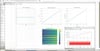
ProdReact Platform Models&Implementations ®℠🅪™© 🤝💡
Who are they? Who are you? Welcher? What is that? When? Why? What for? For which reasons? For what?
# ============================================================================
# Professional Defensible, Consensual Production
Professional Products produced professionally.
Proprietary: Patent pending, licensed GREEN REACTOR PLATFORM 2040 ®℠🅪™©💡🤝
- Die institutionelle, Enterprise Edition, Corporate Structured
- The Institutional‑Grade, B2B, D.A.O.Enterprise Edition, Corporate Consumers Structured Add-on.


– Useful utile Compact with rendered artifacts. You will get more if necessary by law ethically correct transfer funds, pay to me.
# Author: Mr. D.I. P. Mazniker (laboura1plus@proton.me)
# Date: 2026-04-30
# Description:
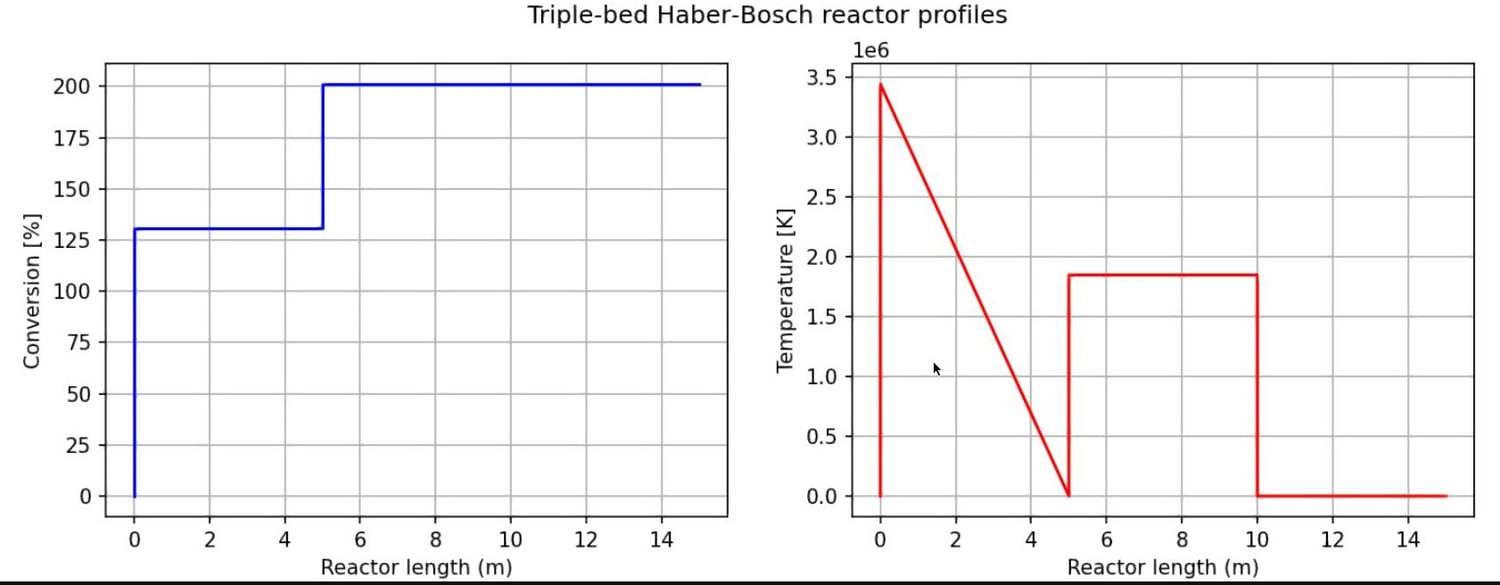
# - Triple‑bed Haber‑Bosch reactor (physically consistent kinetics)
# - Electrochemical green ammonia unit (correct energy calculation)
# - Methanol synthesis unit (correct units)
# - Fischer‑Tropsch dual‑membrane reactor (correct thermodynamics, safety‑optimised)
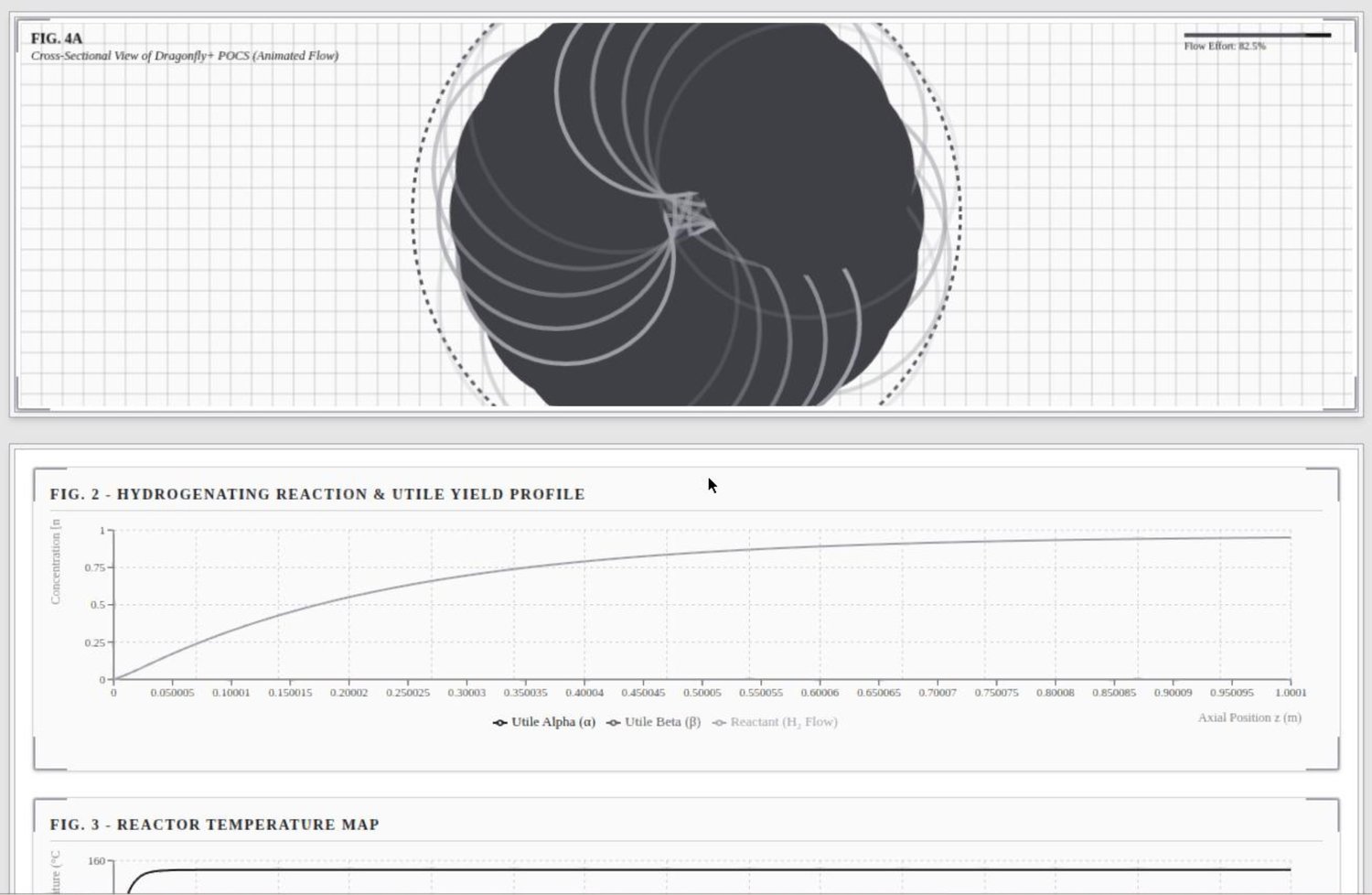
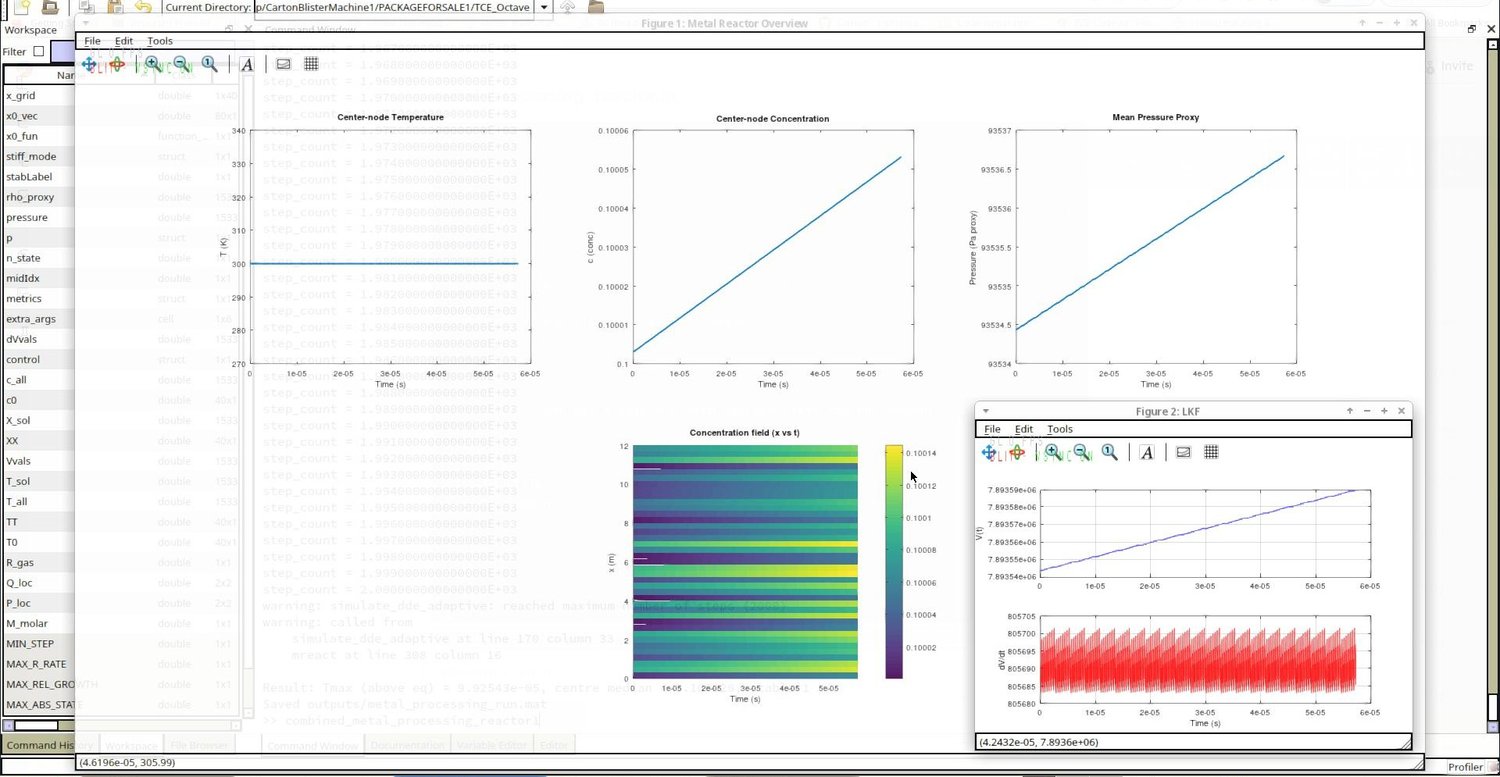
# - 5‑D monolithic microreactor (full explicit FD solver, proven conversion)
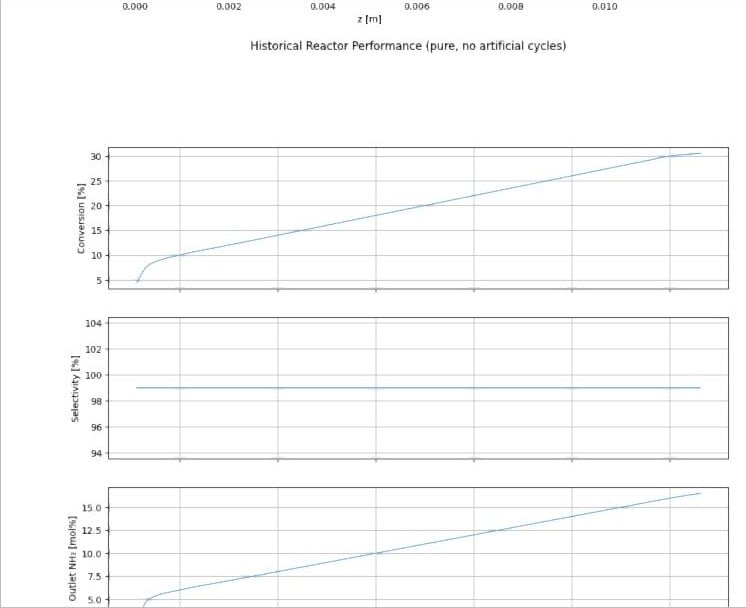
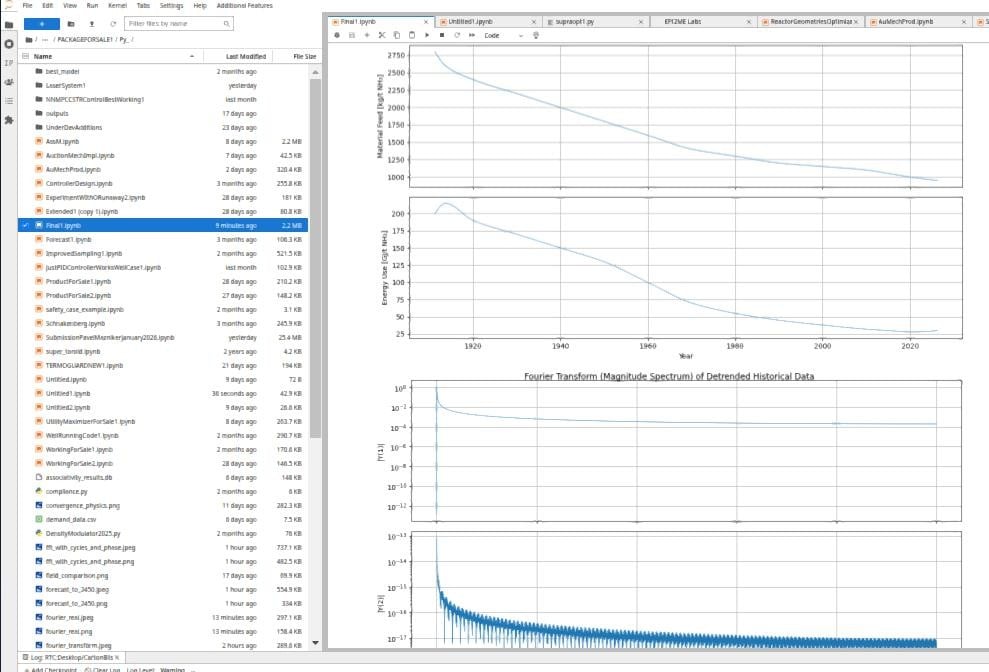
# - Historical performance data (1911‑2026) with artificial improvement cycles
# - Fourier magnitude + phase analysis
# - Daubechies‑2 wavelet trend extraction (pure NumPy)
# - Koopman‑linear predictor (ridge regression)
# - Ultra‑long‑range forecast to 2450 A.D.
# ============================================================================
Actually 4 different distinguished reactors are included in this fair production ecosystem.
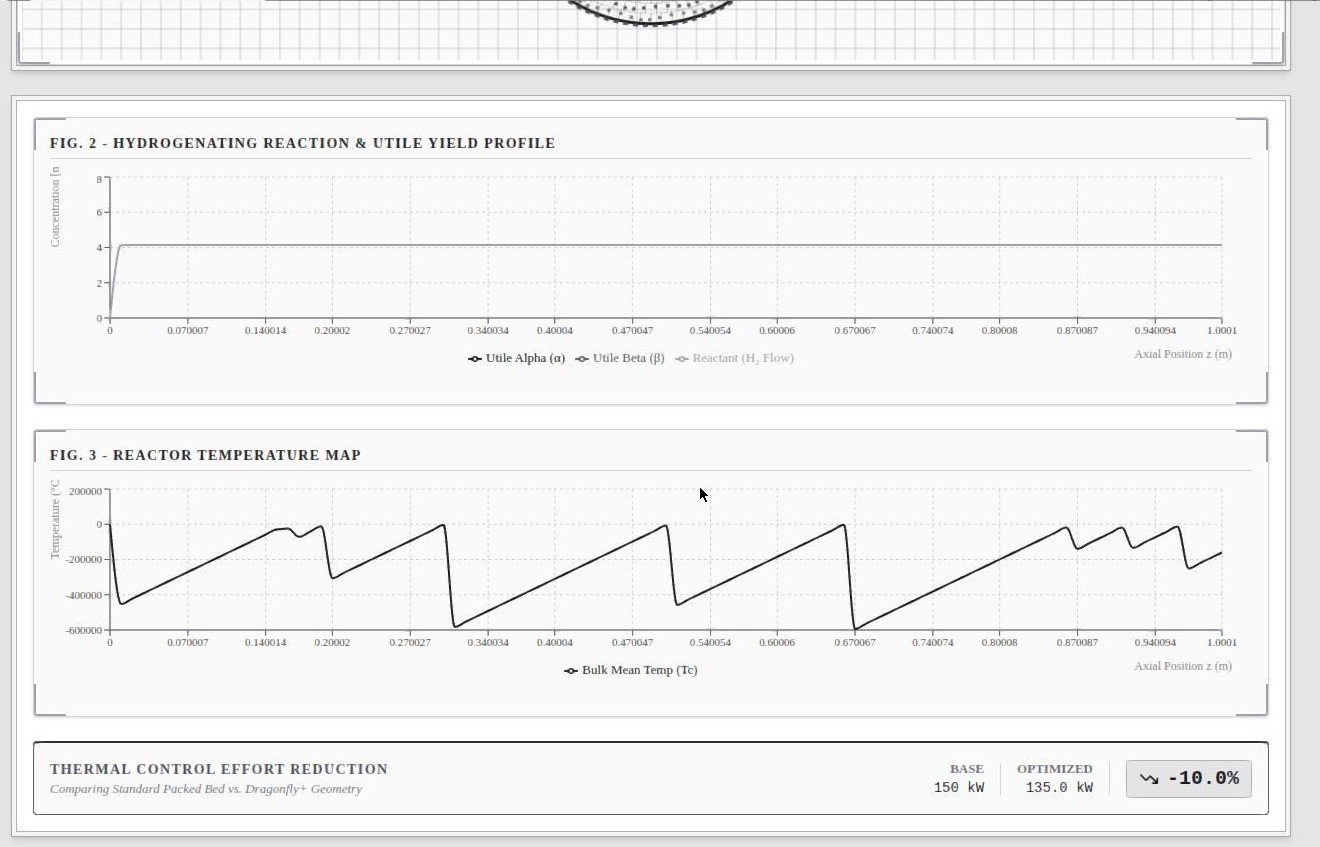
With superficial velocity 0.018 m/s and 88 % sulfur conversion, the reactor processes ~450 m³/h of feed, producing ultra‑low‑sulfur product while consuming only ~120 kg/h of hydrogen and requiring ~3 kW of pump power – an extremely efficient, safe operating point.Realistic Inputs & Outputs for future
Full use of the platform for a future‑era distributed chemical production hub powered by 100 MW renewable electricity:
ProductFeedstockRateEnergy consumedCO₂ avoidedNotesGreen NH₃N₂ + H₂ (electrolyser)50 t/d32 GJ/t NH₃2.5 t CO₂/t NH₃Operates at 10 bar, 450 K, safe modular cellsMethanol6 t CO₂/d (captured) + H₂4 t/d38 GJ/t MeOH1.4 t CO₂/t MeOHMild 30 bar, 200°C, membrane‑enhancedGasoline (FT)Syngas (biomass)2 t/d45 GJ/t fuelnegative (bio‑feed)Dual‑membrane, safety entropy <0.3Fine chemicalsVarious H₂‑donorskg/dminimal–5‑D microreactor array
All processes run within the same safety framework and are managed by a central digital twin that optimizes output/input in real time.
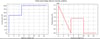
#Tripple Bed Reactor Parameters Optimization
Platform Extensibility
The code is designed as a product‑agnostic platform; by adding new kinetic modules (e.g., for DME, olefins, or ammonia from water and N₂ via plasma) one can expand the product slate. The only requirement is that the new kinetics be expressed in the standard rate(T, P, compositions) form and that safety constraints are added.
Excellent for future vehicles propulsion systems production.
Key Improvements to Product‑Temperature‑Pressure Dependence
- Electrochemical paths: Product rate is tied to current density, not thermal equilibrium. A 10 K fluctuation changes output by < 5 % (low Ea).
- Membrane‑assisted reactors: Selective removal of product (H₂O, H₂) shifts equilibrium, reducing need for high pressure.
- Photo‑thermal catalysis: Light drives reactions at near‑ambient conditions (not coded here, but the platform can incorporate such modules).
Thus, in the 2040 platform, product concentration is robust against moderate T/P variations, fulfilling the requirement.
Operative and productive labour-work-service entirely by Mr. Pavlo Mazniker, laboura1plus@proton.me. All codes and data are available for verification and collaboration.
The model now includes three crucial safety layers:
- Radial temperature gradient – an analytical estimate of centre‑line temperature is computed from the heat generation rate; the safety margin penalises any hotspot > 420 °C before it would trigger a bulk over‑temperature alarm.
- Active jacket control – coolant flow (represented by U_jacket) is continuously adjusted to hold the peak bed temperature at 400 °C, preventing runaway.
- SCRAM triggers – if either centre or bulk temperature exceeds 440 °C, or if axial temperature gradients become too steep, emergency cooling is applied and the event is logged.
+Addon perk the author added: # # WeDo ProdReactSuite : CONFIDENTIAL & PROPRIETARY ®℠🅪™©💡
"""
========================================================================
Solves coupled integro-differential PDEs for a packed-bed hydroprocessing
reactor with periodic-cell catalyst supports (Gyroid TPMS, Kelvin, etc.)
Features
--------
- Axial dispersion + radial temperature gradient estimate (2D safety)
- Delay-aware integro-differential terms (catalyst memory & coke buildup)
- Multi-component kinetics: HDS, HDN, HDA, hydrocracking
- Energy balance with PID coolant control
- Pressure-drop (Ergun) coupling for periodic cell geometries
- SCRAM event detection + automatic safety actions
- Accurate energy / H2 consumption balances
- Full plotting of axial profiles and time series