
COURSE INTRODUCTION
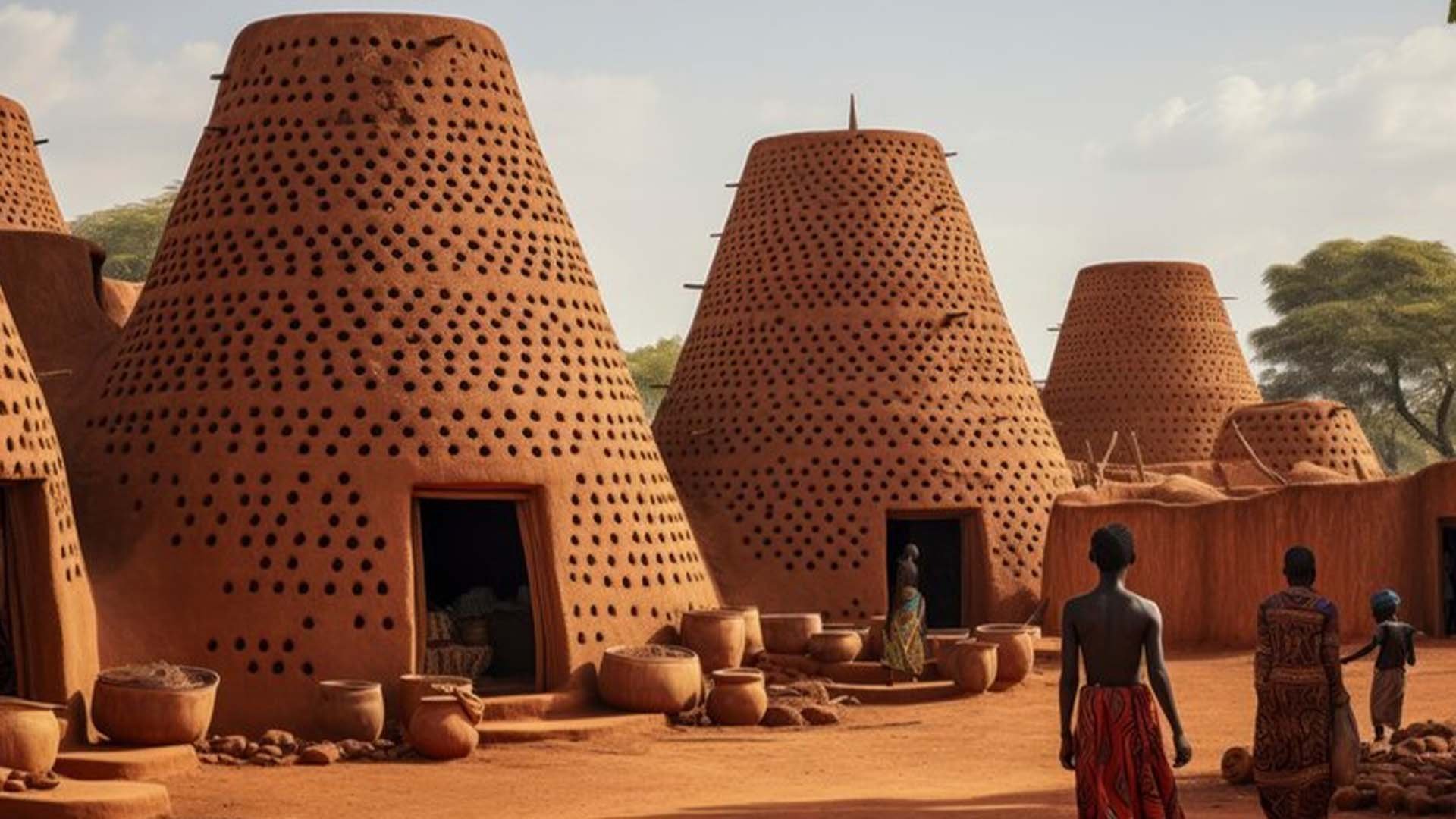
For centuries, Africans have lived in deep harmony with nature, long before the term "biophilia" was coined. This course is a powerful journey of remembrance and reconnection.
It explores how our ancestors designed spaces that respected the land, honored cultural knowledge systems, and embraced the natural world.
Through this lens, we invite you to rediscover these timeless principles and learn how to apply them in today’s modern context.
The goal?
To inspire a new wave of African cities and buildings that reflect our identity, resonate with our landscapes, and embody the wisdom of nature creating environments that are not only sustainable but soulfully African.
The Story Behind This Nature Centered Course
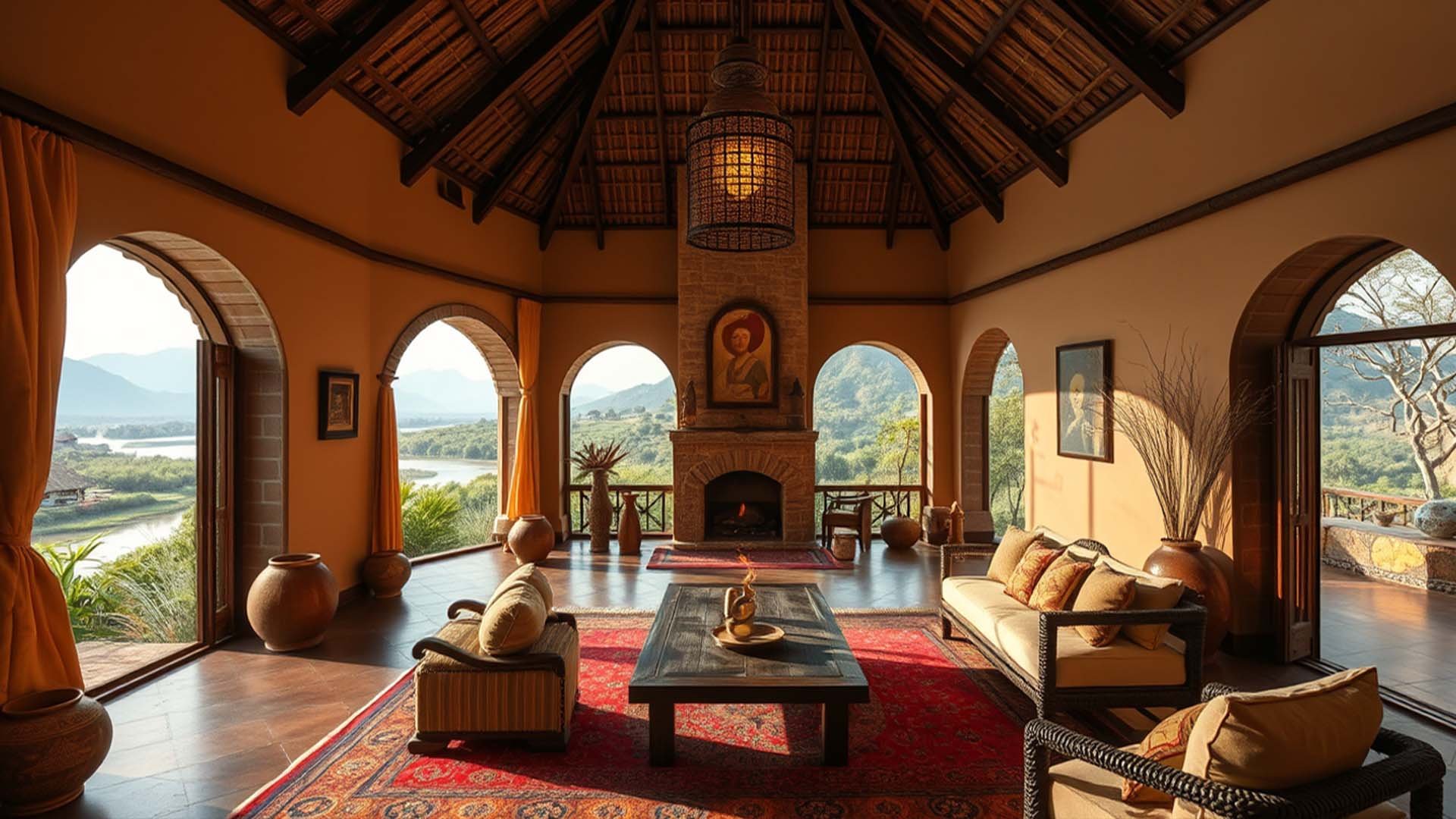
In a time of rapid urbanization, climate change, and cultural loss, many of us are searching for ways to reconnect with nature, with community, and with ourselves. Yet long before sustainability became a buzzword, our African ancestors were already living it. They built homes from natural materials, oriented buildings to follow the sun and wind, designed spaces around communal living, and held a deep spiritual connection to the land.
This course was born out of a desire to remember and reclaim that wisdom.
As a certified green building consultant, TEDx speaker, and African biophilia advocate, I realized the global conversation around biophilic design was missing something essential:
The African story.
This course is a response to that gap.
It bridges traditional African knowledge with modern sustainable design.

MEET YOUR INSTRUCTOR
Founder: Green Biophilic Living
Convener: Inaugural African Biophilia COnference and expo 2025.
Certified Green Building Consultant (EDGE – IFC)
Representing Africa: Juror: Europe Biophilia Summit 2025
TEDx Speaker on Biophilia and Climate
Rewild Yourself 2025 Champion: Voice For Nature Foundation
African Biophilia Advocate.
For the past several years, Wangui has been researching and sharing insights on biophilic design and Africa’s deep relationship with nature.Her work focuses on reconnecting modern African development with indigenous knowledge systems and nature-based design principles.
This course is part of a larger mission:
To document, revive, and advance African biophilic knowledge for the future.
WHY NOW? WHY THIS COURSE?
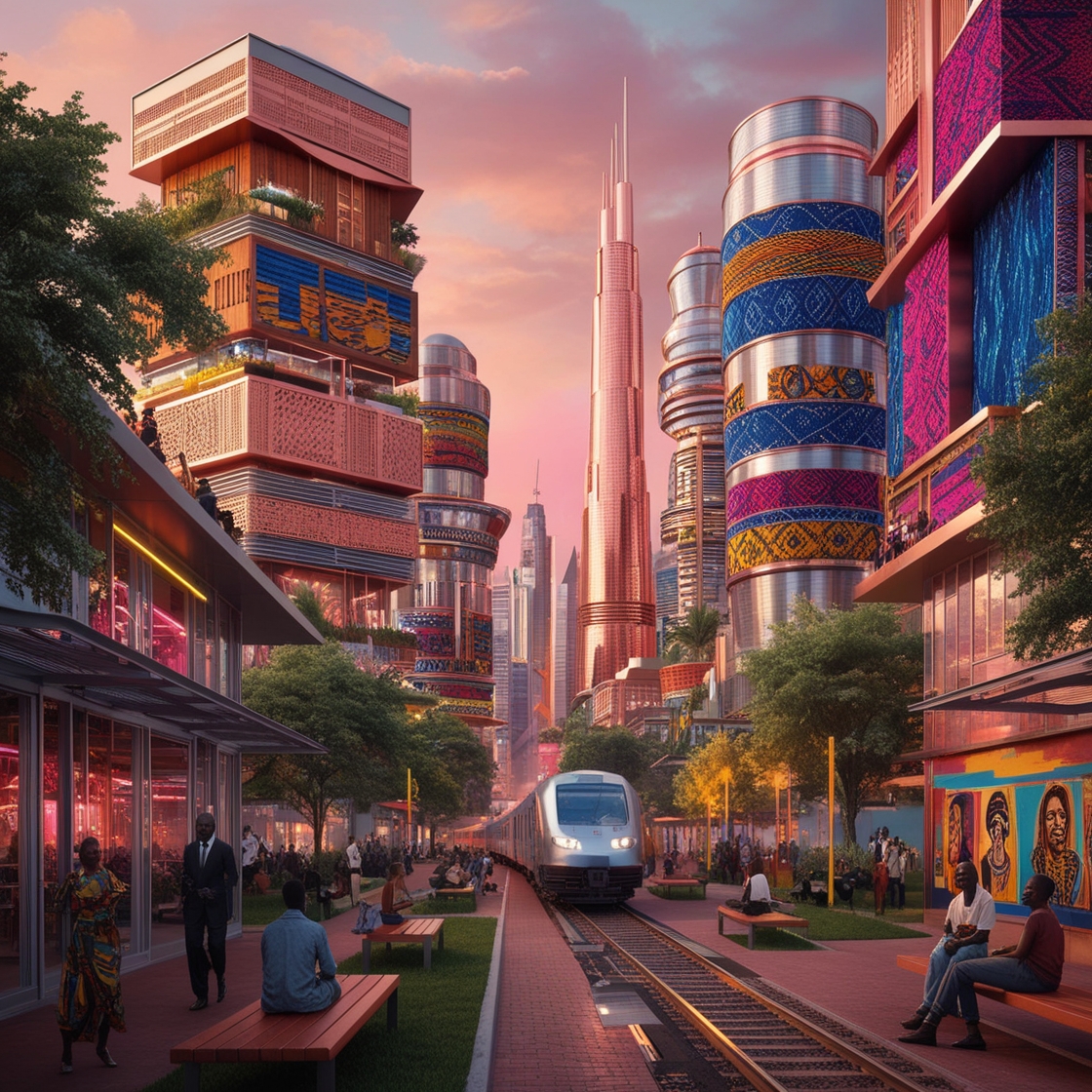
Africa is urbanizing at one of the fastest rates in the world. Yet, many of our cities are being shaped by foreign models: glass towers, concrete jungles, and disconnected living.
But what if we paused...
And looked inward?
What if we built cities that felt like us?
This course is a call to return to reawaken our connection to land, culture, and climate through design.
We explore how African ancestral wisdom aligns with modern biophilic principles to guide the future of our homes, towns, and cities.
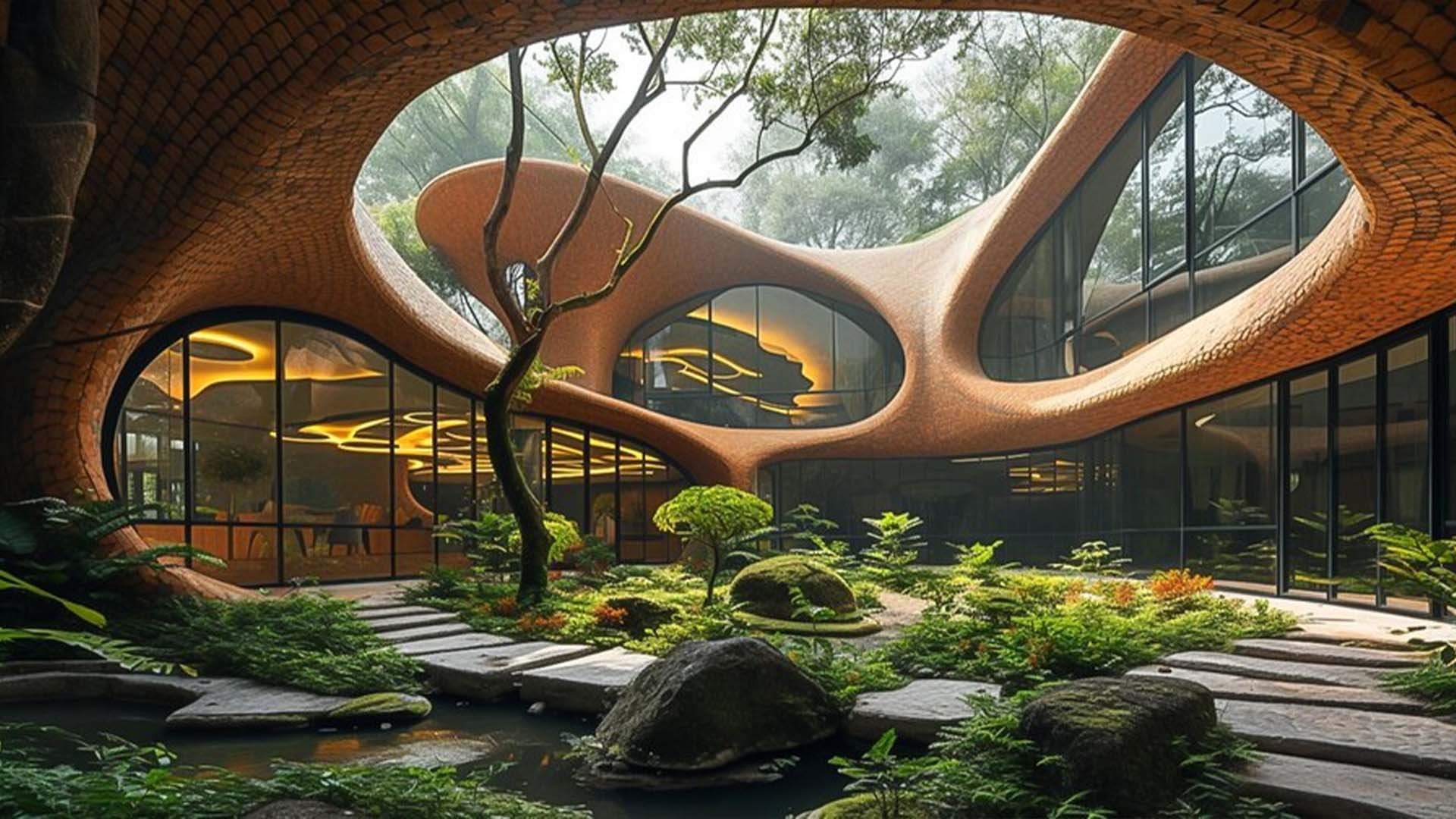
With the image above as inspiration, imagine a world where:
- Trees grow through our buildings, not beside them.
- Courtyards reflect the sacredness of gathering
- Earth, stone, wood, and light are our collaborators in design
- Every building breathes and belongs
This is the vision: This is the invitation. Let's design a future rooted in who we are.This course is part of a larger effort to document, revive, and advance African knowledge systems that reconnect design, culture, and nature
Course curriculum
-
1COURSE INTRODUCTION
-
2WEEK 1: BUILDING FOR BELONGING: FOUNDATIONS OF BIOPHILIA & AFRICAN NATURAL HERITAGE
-
3WEEK 2: BUILDING FOR IDENTITY & MEMORY: TRADITIONAL & MODERN AFRICAN ARCHITECTURE
-
4WEEK 3: BUILDING FOR IMAGINATION: BUILDING MATERIALS & THEIR EVOLUTION
-
5Week 4: BUILDINGS FOR EFFICIENCY & JUSTICE
-
6WEEK 5: BUILDING FOR HEALING : THE PLANET THROUGH DESIGN
-
7WEEK 6: YOUR BIOPHILIC PROJECT
who this course is for
This course is designed for:
• Architects and designers
• Urban planners
• Sustainability professionals
• Students of architecture
• Developers
• Anyone passionate about nature-centered African futures
What You Will Walk Away With
By the end of this course, you will :
- • Understand the foundations of biophilia and biophilic design
- • Recognize how African ancestral architecture embodied nature-centered design
- • Identify biophilic principles within traditional and modern African buildings
- • Understand the role of natural materials, climate, and landscape in design
- • Explore how biophilic design can support human wellbeing and ecological balance
- • Begin applying these ideas to your own projects, communities, or research