
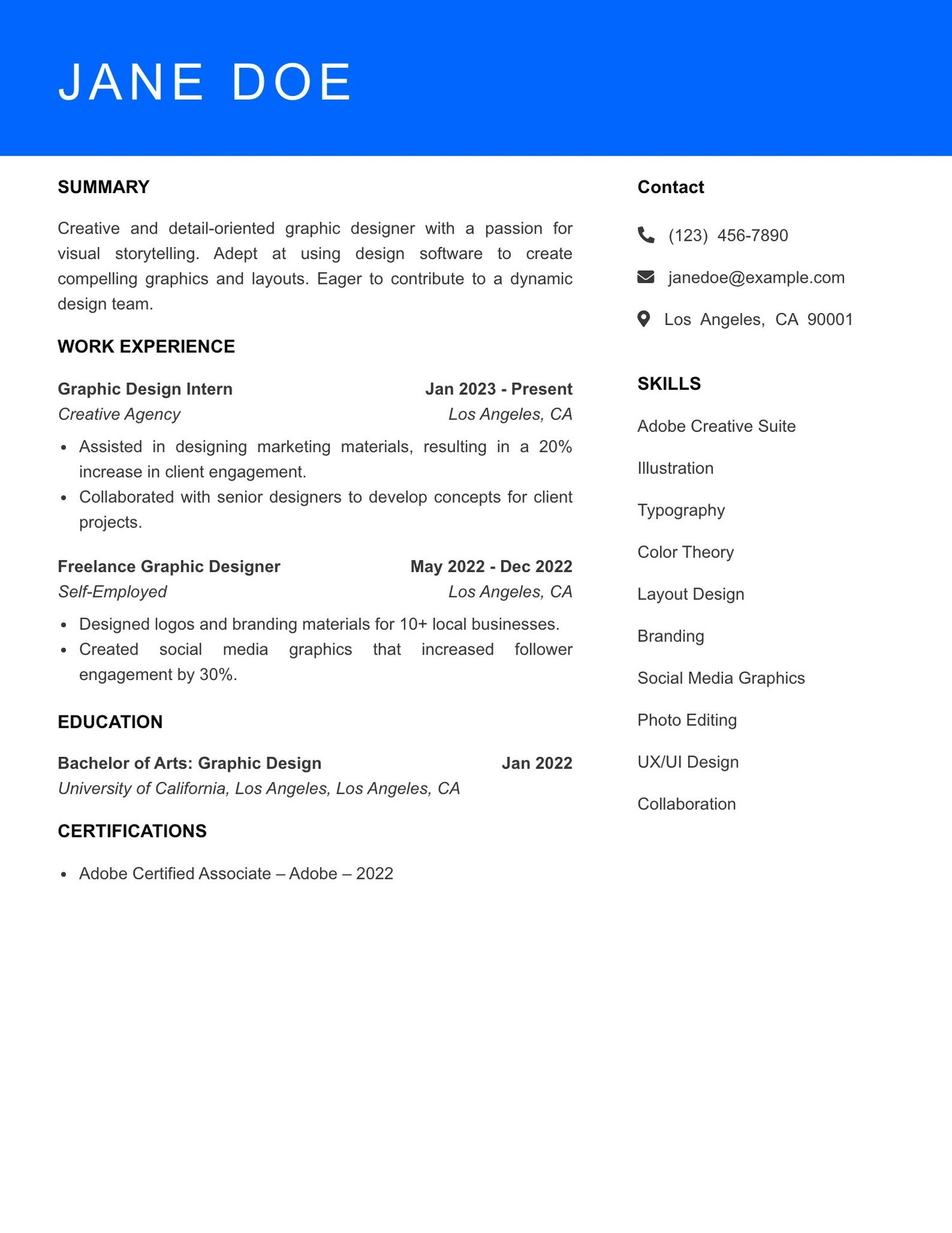
Copywriter Resume – Creative My Resume Star
A Copywriter’s resume is a showcase of clarity, persuasion, and voice. In a profession built on words, your resume must reflect your ability to communicate effectively, tell compelling stories, and adapt tone to suit different audiences. Whether you're crafting taglines, long-form content, or brand messaging, your resume should read like your best pitch—concise, engaging, and impactful.
Start with a clean, professional layout that prioritizes readability. Use a classic font like Georgia or Garamond for a touch of editorial flair, or stick with modern sans-serif fonts for a sleek look. Avoid excessive design elements—your words should do the heavy lifting. Structure your resume with clear headings and logical flow, just like a well-edited article.
Begin with a header that includes your name, contact information, and a link to your portfolio or writing samples. Your portfolio is essential—it’s where hiring managers will see your range, tone, and storytelling ability. Follow this with a punchy professional summary. For example: “Versatile Copywriter with 8+ years of experience crafting persuasive content for brands across tech, fashion, and lifestyle. Expert in brand voice development, SEO writing, and cross-platform storytelling.”
The skills section should highlight both technical and creative proficiencies. Include tools like Google Docs, Grammarly, CMS platforms (WordPress, HubSpot), and SEO tools (Ahrefs, SEMrush). Also list writing styles—advertising copy, blog content, email marketing, product descriptions, and social media captions. Soft skills like adaptability, collaboration, and deadline management are crucial in fast-paced environments.
When listing your experience, focus on results and versatility. Instead of saying “Wrote blog posts,” say “Developed SEO-optimized blog content that increased organic traffic by 40% over six months.” Emphasize your ability to write for different audiences, collaborate with designers and marketers, and contribute to brand strategy. Use metrics to demonstrate impact whenever possible.
Education should include degrees in English, journalism, communications, or related fields, along with any writing workshops or certifications. If you’ve completed courses in content strategy, UX writing, or creative writing, include those to show your commitment to growth. Awards, published work, or notable campaigns can be listed under a “Writing Highlights” section.
Tailor your resume to the job description. If applying to an ad agency, emphasize your experience with taglines, campaign copy, and client briefs. For a content marketing role, highlight long-form writing, SEO, and analytics. Customization shows that you understand the brand’s voice and goals.
Avoid common mistakes like vague descriptions or generic phrases. Your resume should be as sharp and specific as your best copy. Don’t say “Wrote content for website”—say “Crafted homepage copy that reduced bounce rate by 15%.” Also, avoid jargon and filler—every word should earn its place.
Consider adding a short section with favorite headlines or snippets of copy you’ve written. This gives recruiters a taste of your style and creativity. You might also include a brief writing philosophy, such as “I believe great copy doesn’t just inform—it inspires action.”